


2025: a turning point for Italian digital commerce
According to Netcomm, the past year has led to radical changes in Italian trade, which will inevitably impact 2026 and beyond.
Keep reading...
December 2025
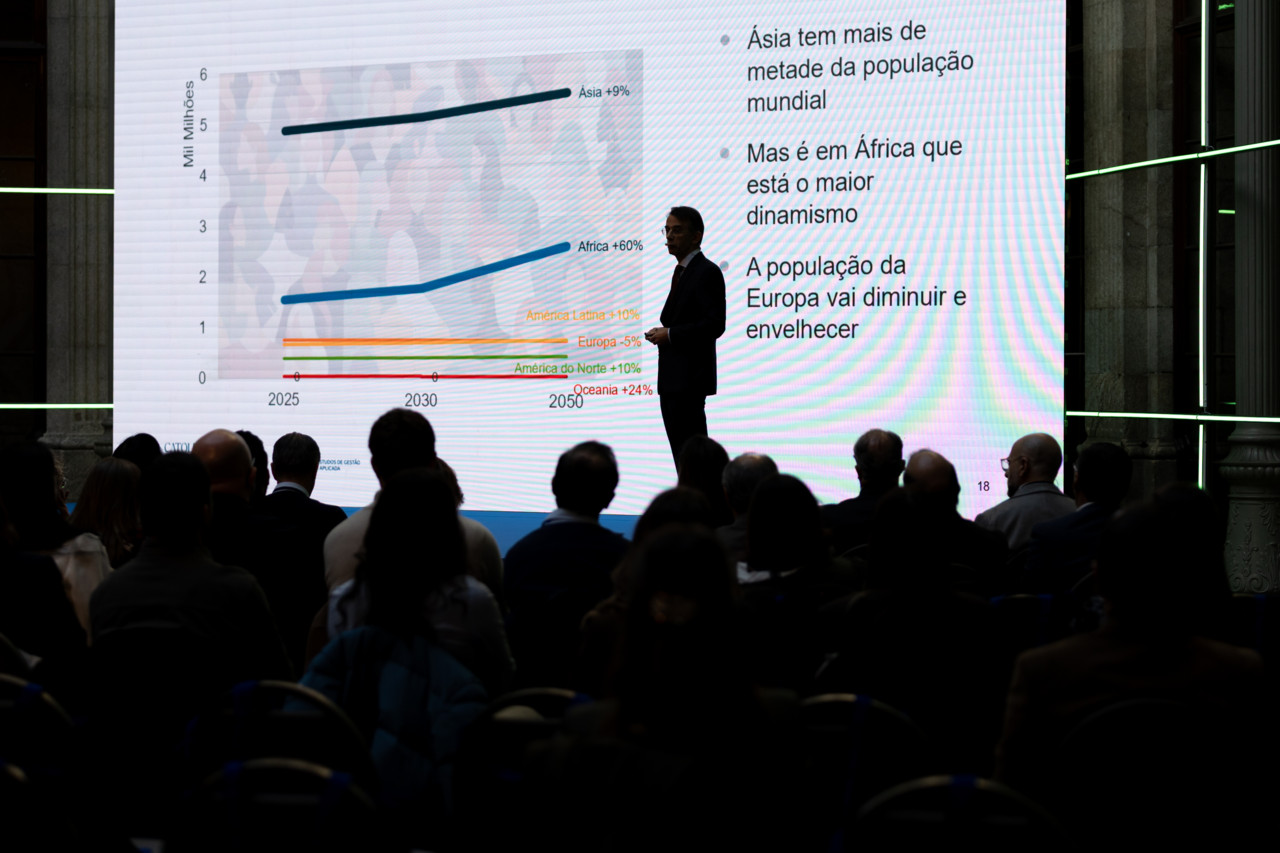
Vasco Rodrigues' presentation at the "Welcome to the Factory of the Future!" event outlined the evolution of the global footwear industry. Between demographics, technology and fragmented economies, the future promises complex challenges but also great opportunities.
Some revolutions are silent: they flow quietly like a red line on a graph, and by the time we notice them, they have already changed the world. This was the case with China’s entry into the WTO in 2001: an event that, as Vasco Rodrigues, professor at the Catholic University, recalls, “led to a significant change in the global footwear trade”. Since then, Chinese exports have more than doubled in the first five years, reshaping the supply chains and strategies of major international manufacturers.
The domino effect was rapid: with the certainty of being able to easily export from China to any market, companies moved their production to Asia. Today, the Asian continent produces 90% of the 24 billion pairs of shoes made each year. Each major manufacturing country — China, India, Vietnam, Indonesia, Pakistan — produces more than the whole of Europe, which accounts for just 2.3% of global production.
Consumption also tells a story of geographical imbalance: Asia is once again in the lead, while the European population buys four pairs a year, North America five, and Africa only one. It is precisely the African continent, still almost unexplored commercially, that represents the most dynamic frontier: its population will grow by 60% by 2050, while Europe will be the only area in demographic decline.
Alongside structural factors, Rodrigues highlighted three forces that are changing demand: comfort, environmental awareness and consumer confidence in the product. Technology is also emerging as a decisive lever for redesigning processes, services and business models.
However, the economic scenario is not without turbulence: fragmentation of geopolitical blocs, near-shoring, uneven growth between regions, the risk of crisis in China, and high volatility in geopolitical forecasts. Slow growth is expected in Europe, while the future direction of the United States remains uncertain.
Where there are more feet, there will be more shoes. But the real challenge will be to understand which shoes, where to produce them and how to sell them. The footwear industry is entering a phase where nothing is guaranteed and everything is possible.
According to Netcomm, the past year has led to radical changes in Italian trade, which will inevitably impact 2026 and beyond.
Keep reading...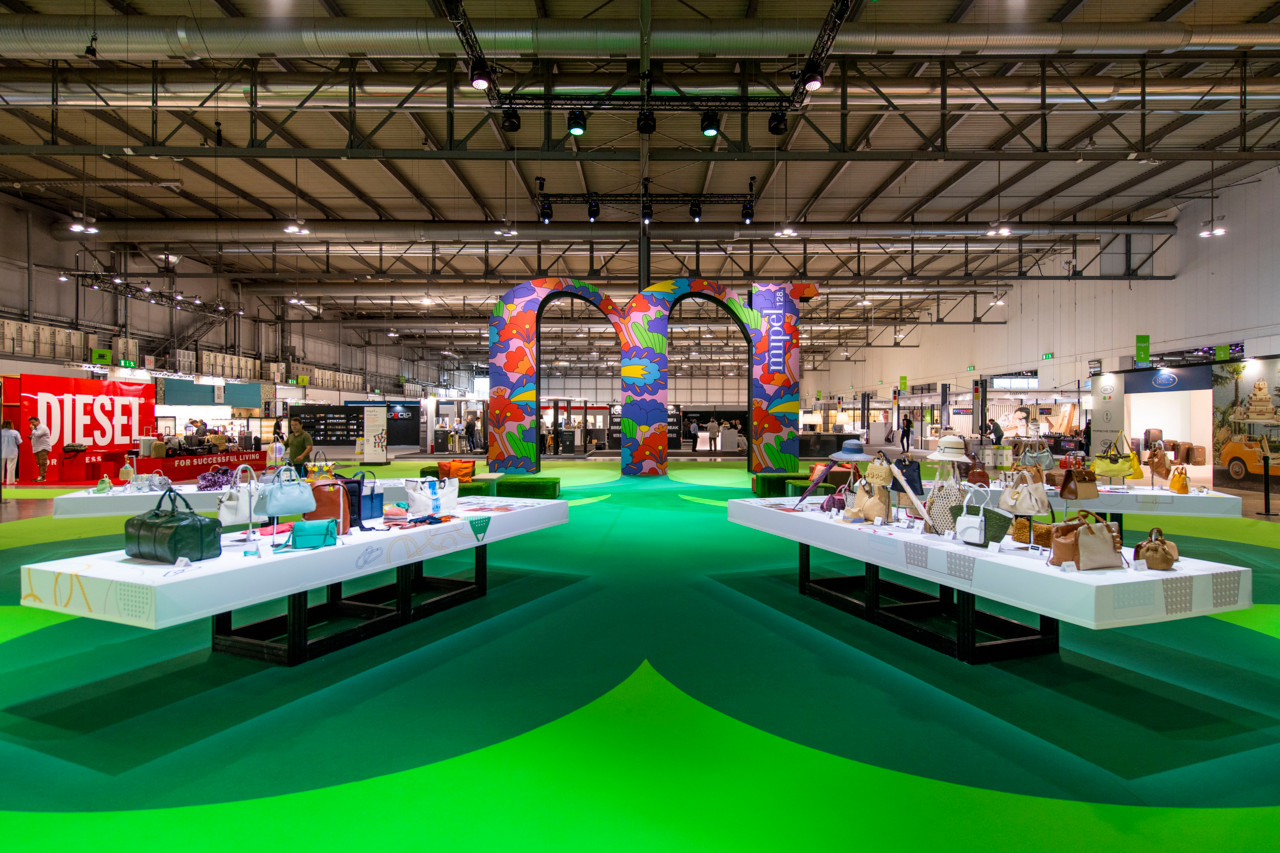
Data from the Confindustria Fashion Accessories Study Centre for Assopellettieri show negative figures for the third quarter of 2025 as well, albeit with a slight improvement compared to the beginning of the year, which will hopefully turn into a recovery in 2026.
Keep reading...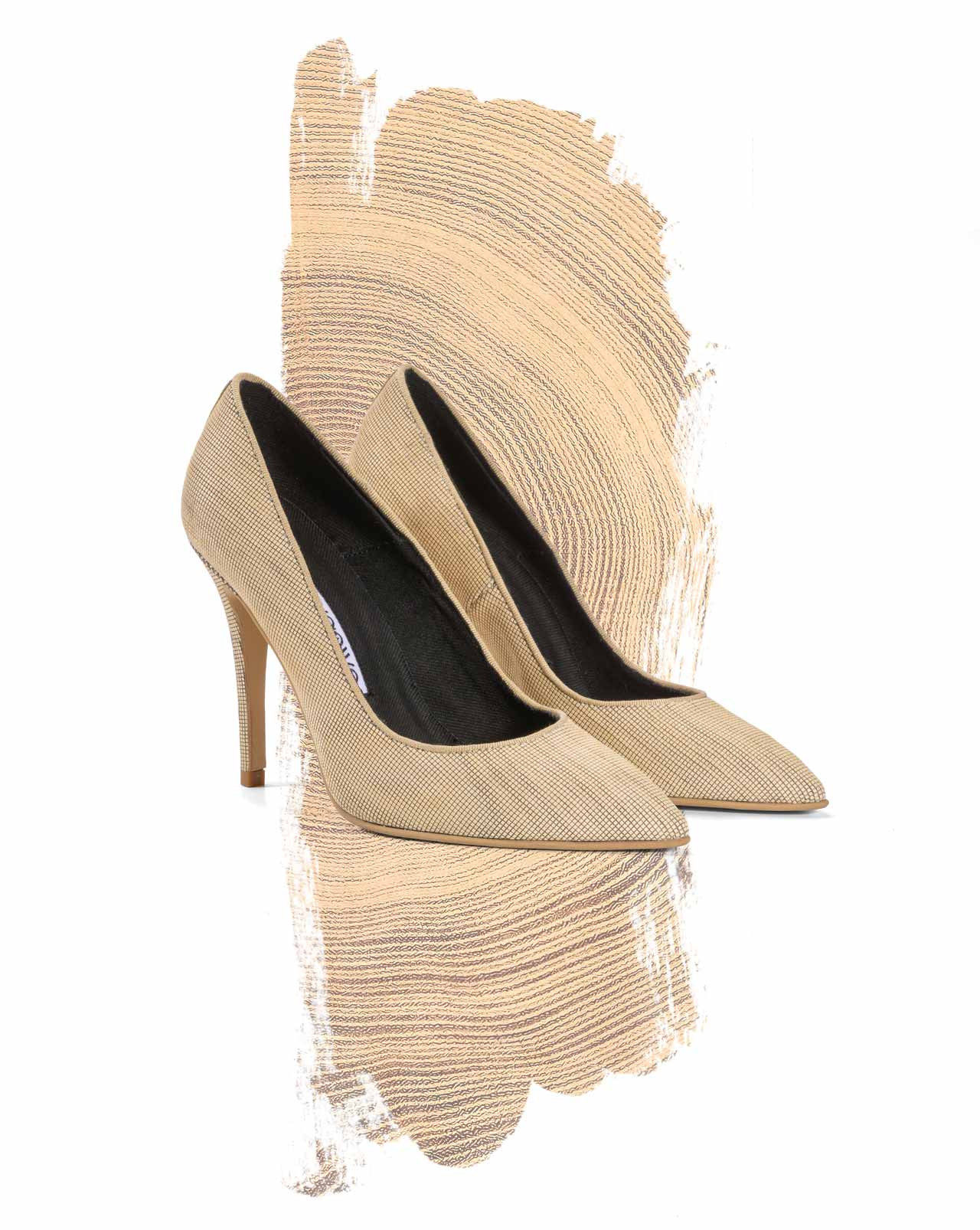
The new frontier of sustainable footwear combines technological innovation and respect for the environment, transforming paper and wood waste into luxury accessories and circular sneakers.
Keep reading...You must login to read this free content
This content requires a subscription to view. Are you already a subscriber? Sign in