2025: a turning point for Italian digital commerce
Flash news
February 2026
According to Netcomm, the past year has led to radical changes in Italian trade, which will inevitably impact 2026 and beyond.
The Italian Digital Commerce Consortium, which brings together over 480 companies and has been a point of reference for e-commerce and digital retail in Italy since 2005, took stock of the major changes that have occurred in online commerce and the outlook for 2026 with the close of the past year.
2025 marks a turning point for Italian digital commerce, with eCommerce becoming a national infrastructure, reaching €150 billion in shared value, equivalent to 7 percent of GDP, and employing 1.8 million people, confirming digital as our country’s great economic engine.
The distinction between physical and digital is fading thanks to omnichannel models, driven by artificial intelligence, new touchpoints, and more mature customer journeys, particularly affecting the Food & Grocery, Fashion & Beauty, and Haelth & Pharma sectors. Four out of ten in-store purchases are affected by online touchpoints. Over 35.2 million Italians buy online.
At the heart of this shift is undoubtedly greater regulation of online shopping and growing consumer confidence. The digital Euro, transparency of payments and greater protection of reviews have led to an acceleration of an ongoing process and greater dialogue between businesses, institutions and consumers.
76.5% of product purchases go through the eRetailer and 60% are now made from smartphones.
LOOKING TO 2026: ENTERING THE VALUE COMMERCE ERA
From 2026, digital will evolve into Value Commerce: data shared along the file, ‘omnichannel as a competitive standard, Al and automation to support Joumey operations and customers, and sustainability as a market lever. The new European rules —from the Digital Euro to product passports — will redefine the competitive environment. For businesses, the goal will no longer be just “selling online”, but generating economic, experiential, environmental and social value.
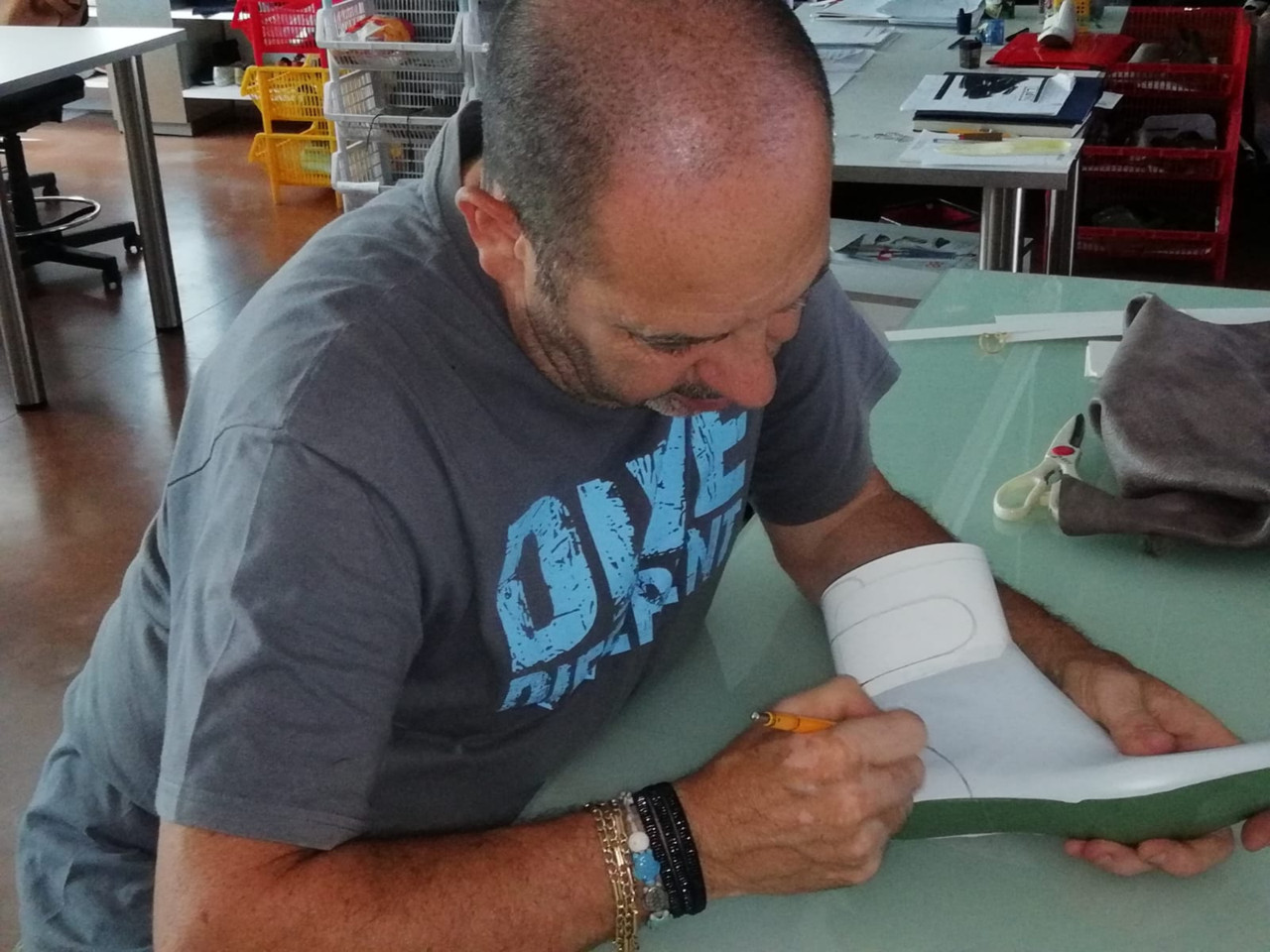
In Rome, during the Assocalzaturifici Assembly, the Promotional Committee for the nomination of Italian shoemaking as UNESCO Intangible Cultural Heritage was officially established. The aim is to safeguard and pass on this craftsmanship.
The footwear market is cooling, driven by a complex international economic climate and a profound shift in consumer tastes, as people grow weary of mass-produced minimalism. : how loafers and heels are reshaping fashion for the over-30s
In the first half of 2026, turnover fell by 2.5 per cent and production by 4.6 per cent. Europe holds steady, whilst the Middle East slumps. 1,884 jobs were lost in six months – more than in the whole of 2025.