The new frontier of sustainable footwear combines technological innovation and respect for the environment, transforming paper and wood waste into luxury accessories and circular sneakers.
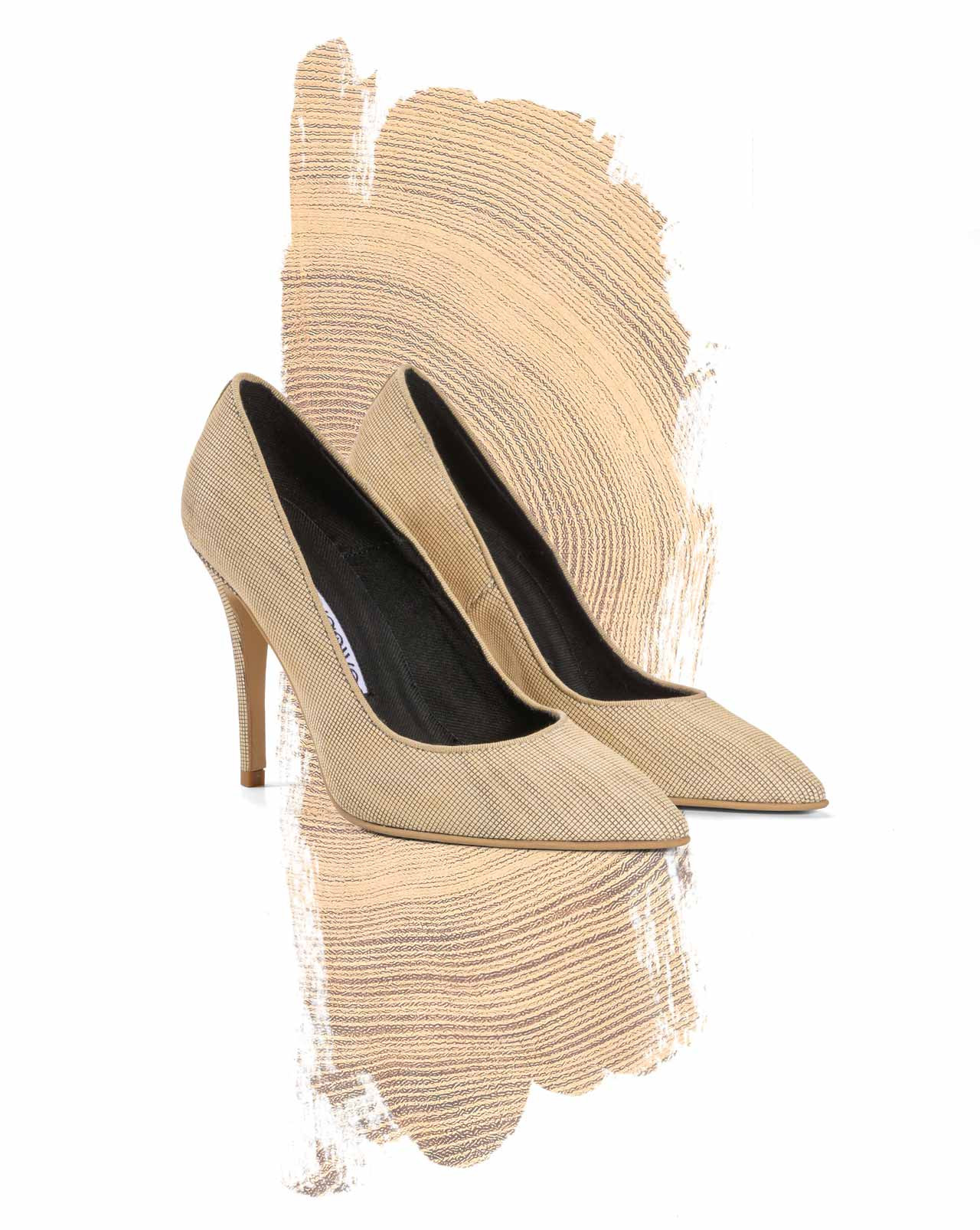
In recent years, sustainability has ceased to be a mere trend and has become a categorical imperative for the fashion industry. The need to reduce carbon footprints and limit the use of petroleum derivatives has prompted designers and materials engineers to explore unexpected frontiers, seeking solutions that combine aesthetics, comfort and respect for the environment. Thus, after Pinocchio, shoes are once again being made from wood, a natural resource that, when properly managed, offers incredible strength and, surprisingly, flexibility. One example is the Woowe brand, which has managed to combine Italian craftsmanship with a totally vegan approach. This brand produces luxury footwear using a very thin sheet of flexible wood. The result is an ethical shoe that is surprisingly soft, but also unique because it bears the grain of the trunk and the history of the tree from which it comes, demonstrating how sustainability can be combined with aesthetics and elegance to compete at the highest levels of international fashion.
Another example of green excellence that creates fashion from wood waste is DotZero, a brand of handmade sneakers made in Italy, in Florence, using waste material from wood processing and the paper industry. Wood and paper account for 94% of DotZero’s components. These products are processed to give the final material the mechanical and physical properties common to the plastics widely used today. The insole, on the otherhand, is made from a material composed of natural fibres derived from coconut food processing waste. This material is agglomerated with the addition of natural latex to create a real dough that is then rolled out and pressed.
Not only that: both brands deal with the ‘end of life’ of the product. Often, even shoes defined as sustainable end up in landfill once worn out, as the different materials they are made of (glues, plastics, fabrics) are difficult to separate. At Woowe, every part can be recycled and reused, promoting a circular economy, as is the case with DotZero, where shoes that have reached the end of their useful life can be returned to the brand’s team, which processes them to create new products, thus closing the circle perfectly.
The global high-end market is holding at €1.5 trillion, but production volumes are declining, unit values are rising, and the pursuit of durability is gaining ground. The cross-analysis between the 25° Altagamma Observatory and the surveys of Assocalzaturifici and Assopellettieri outlines the route for Italian manufacturing towards 2027.
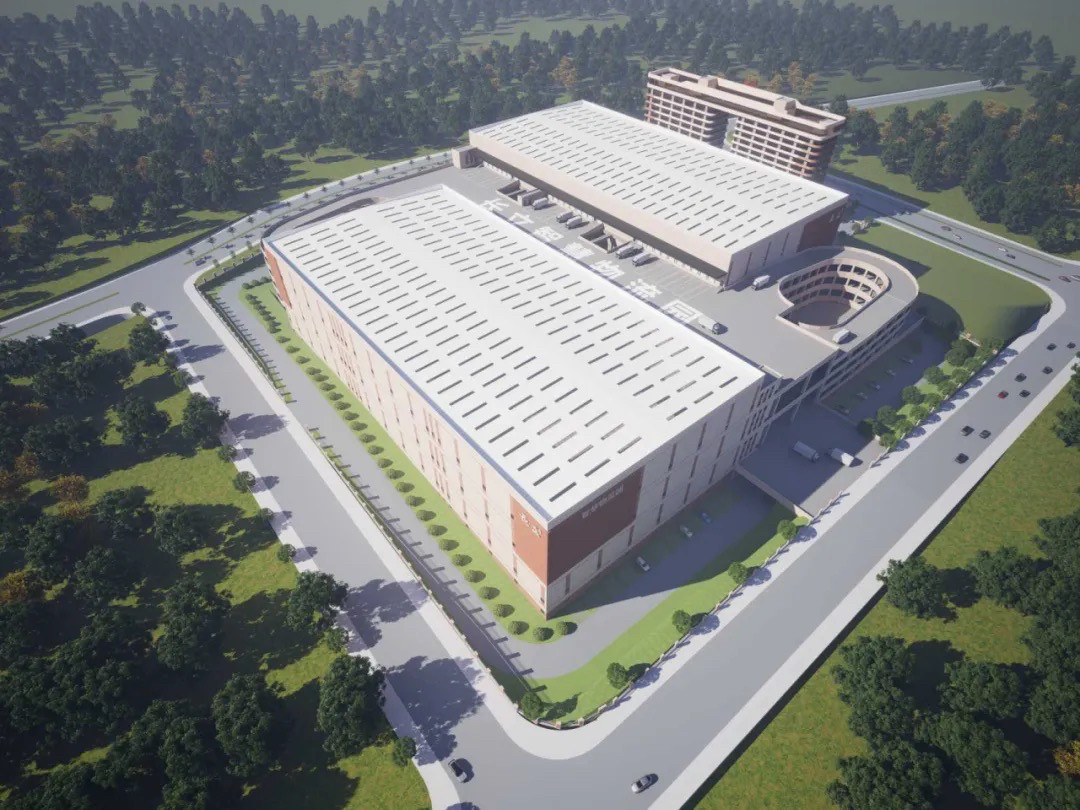
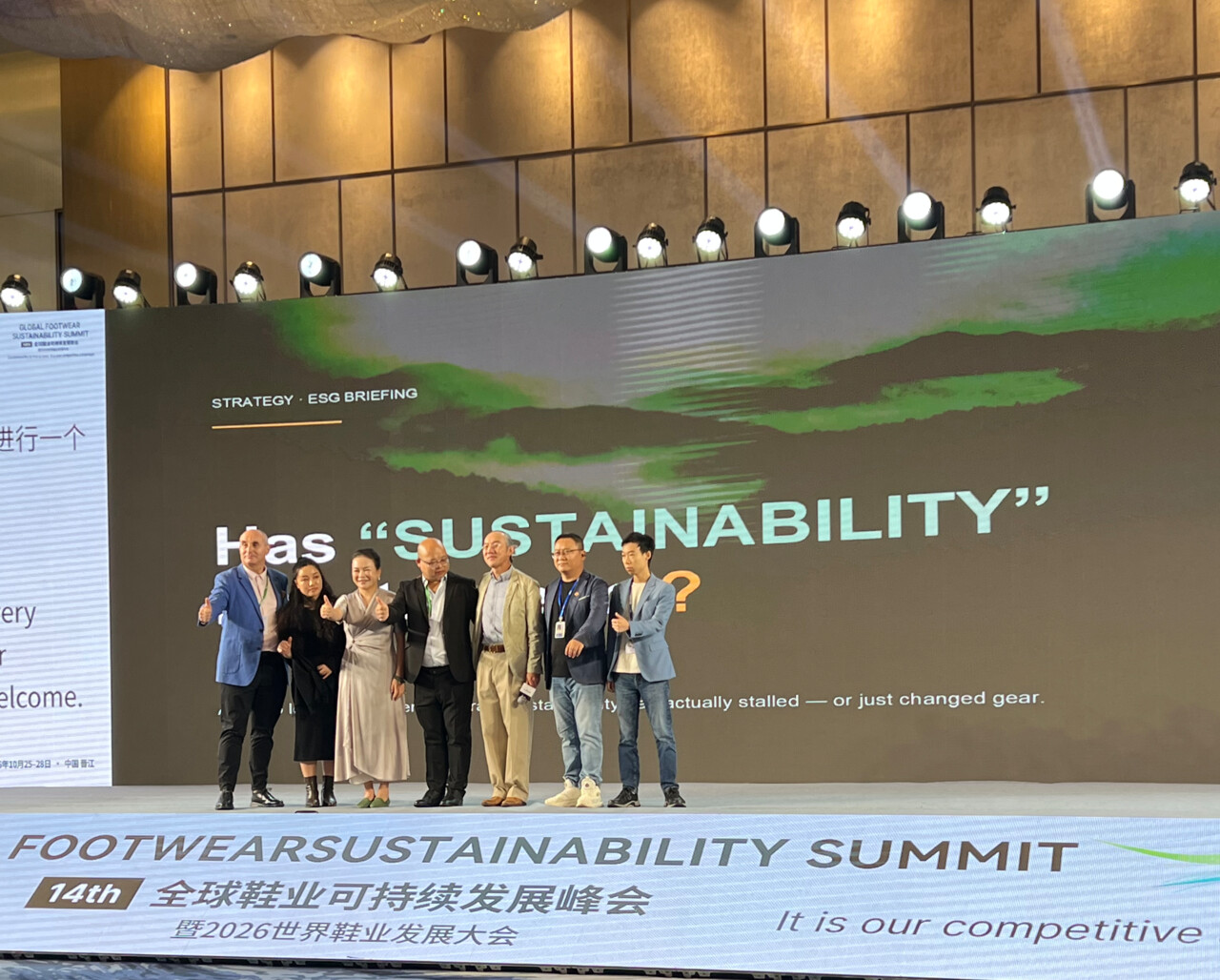
In Jinjiang, during the 14th Global Footwear Sustainability Summit, Changli Group unveiled its 200,000-square-metre logistics complex, due to become operational in 2027, and signed an agreement with SF International to measure the emissions of every footwear consignment.
At the 14th Global Footwear Sustainability Summit, it became clear that sustainability is measured in terms of costs, industrial scale, data and the ability to collaborate. Materials, digital technology and the dialogue between Europe and Asia were among the key themes.