The new multi-stakeholder digital platform created to bring companies and citizens closer to sustainability and circularity in fashion and design.
R4MILANOECOSYSTEM, the new multi-stakeholder digital platform developed with the aim of communicating and promoting circularity and sustainability in the fashion and design sector to the entire Milan ecosystem, was presented last June at Green Media Lab, media relations and digital company certified B Corp since 2018. The platform is part of MUSA (Multilayered Urban Sustainability Action) – an Ecosystem of Innovation funded by the Ministry of University and Research within the PNRR – and is structured in three large macro-areas: Companies, Citizens and Knowledge.
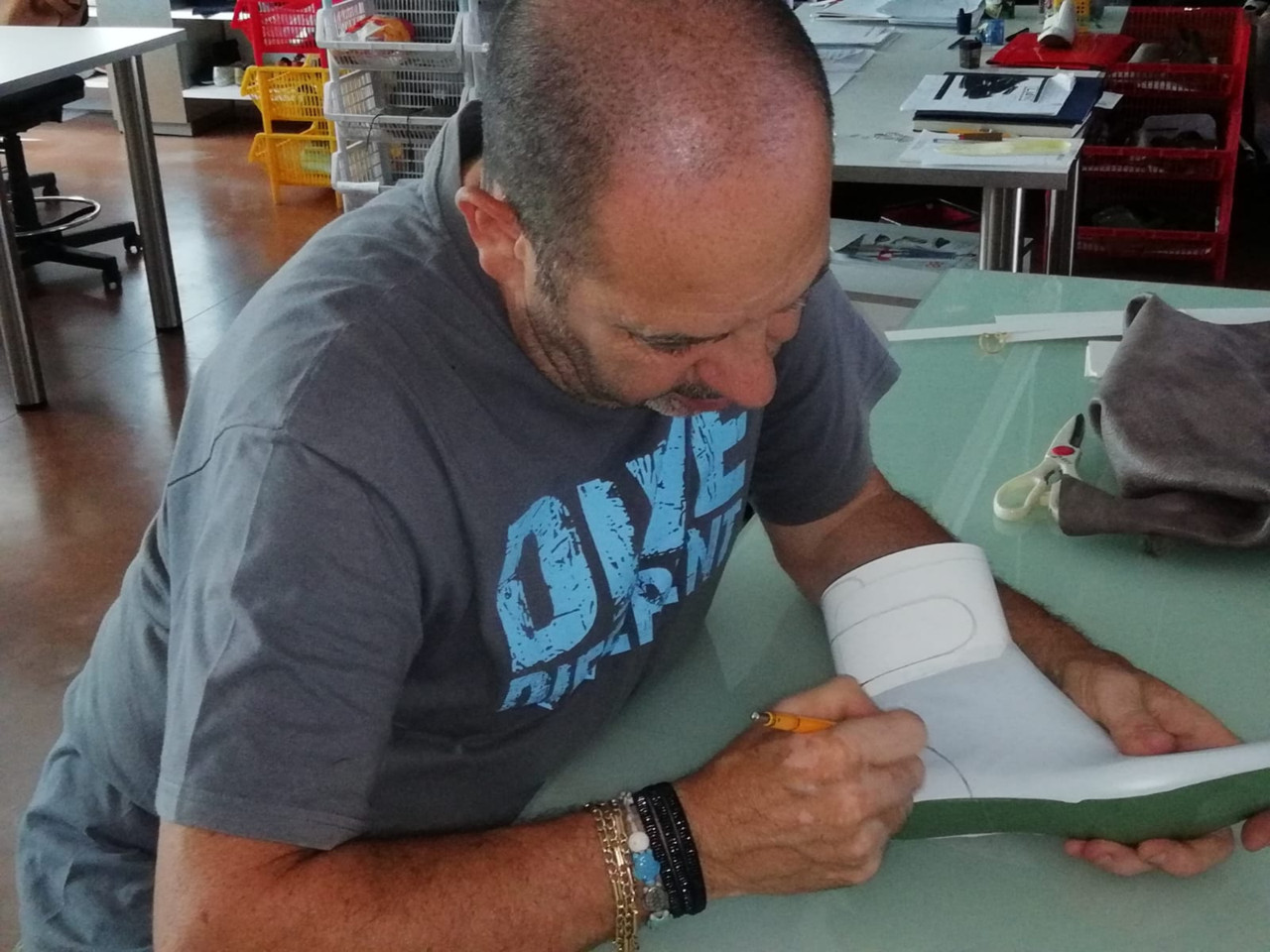
During the event, the first four pilot projects were unveiled: ‘From Fashion to Design’, ‘Eco-plaspack’, ‘The Library of Objects’, and ‘Shoes keep walking’, developed with the collaboration of Milan’s universities and a number of local stakeholders.
In particular, in the ‘Companies’ macro-area, users can learn about pilot projects and their support guidelines, which are useful to be replicable in the future and to disseminate the knowledge developed. There is also a space dedicated to creating a network of contacts useful for the promotion of exchanges and projects and a database for the study of innovative, sustainable and circular materials and processes.
In the Knowledge macro-area, on the other hand, there is room for scientific articles and publications, recommended content to deepen knowledge, books dedicated to the topic and open, free online courses for learning about sustainability topics.
The footwear market is cooling, driven by a complex international economic climate and a profound shift in consumer tastes, as people grow weary of mass-produced minimalism. : how loafers and heels are reshaping fashion for the over-30s
In the first half of 2026, turnover fell by 2.5 per cent and production by 4.6 per cent. Europe holds steady, whilst the Middle East slumps. 1,884 jobs were lost in six months – more than in the whole of 2025.
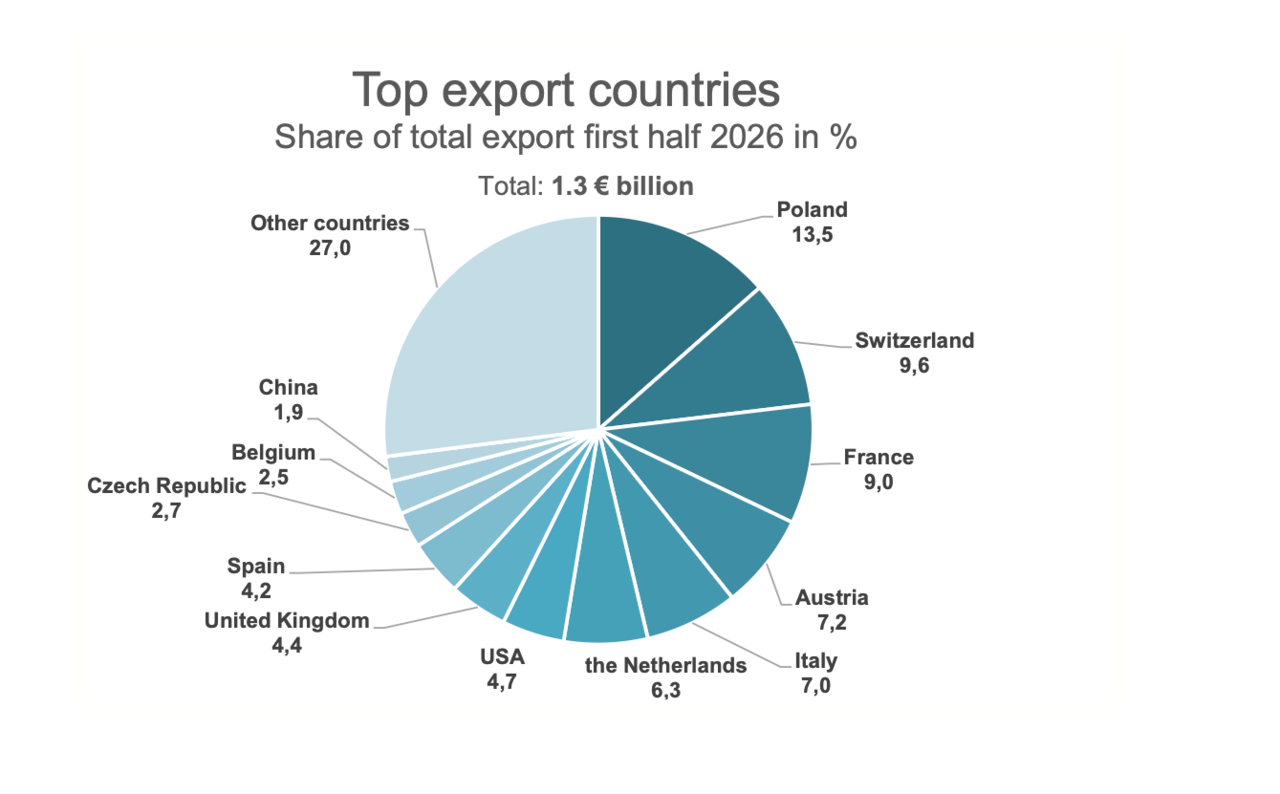
In the first half of 2026, the German footwear and leather goods industry remained stable, albeit at low levels. Amid price rises linked to the war with Iran and new European waste regulations, Italy saw a decline in volumes but maintained its value.