


The future of supply chains is autonomous
According to a study by Accenture, a leading mutinational in strategic consulting and technology services, artificial intelligence is redesigning efficiency, resilience, and sustainability.
Keep reading...
May 2026
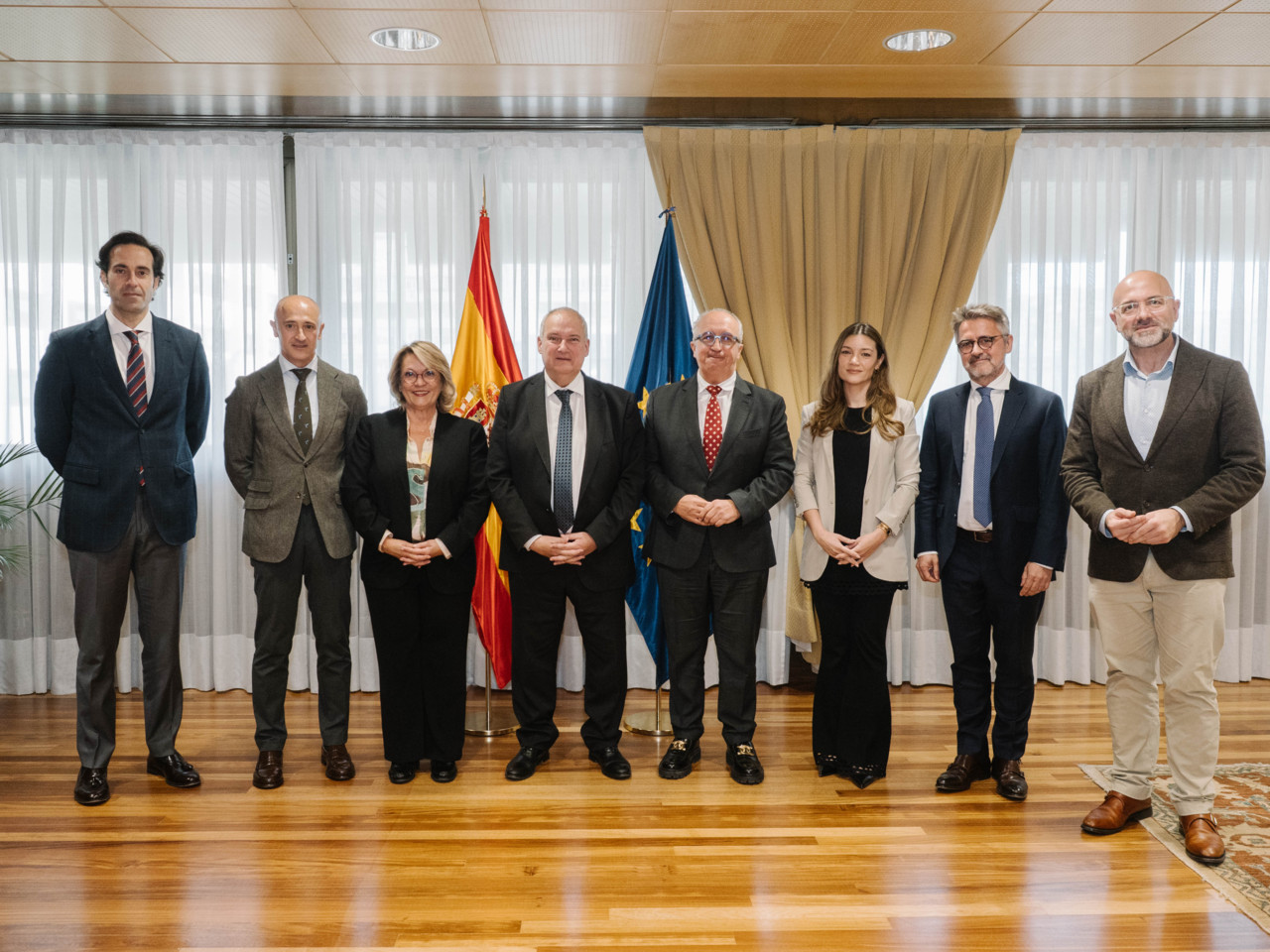
The Spanish Footwear Industry Federation (FICE) and the Spanish Association of Footwear Component Manufacturers (AEC) have presented the Government with a strategic plan for the competitiveness and future of ‘Made in Spain’.
A stable public-private partnership, a permanent technical committee and a tailor-made modernisation pilot programme for SMEs, aimed at accelerating digitalisation and sustainability and ensuring generational renewal: these are the key points of the joint proposal presented on 12 May by the national associations of footwear and footwear component manufacturers to the Minister for Industry and Tourism, Jordi Hereu Boher. The aim? To strengthen the competitiveness, modernisation and industrial continuity of the Spanish footwear sector and its ancillary industry.
During the meeting, both organisations emphasised the need to move towards a stable public-private partnership that would enable a response to the structural challenges facing this industrial value chain: increasing price pressure, the transformation of commercial channels, the gradual loss of the manufacturing base, difficulties in generational renewal, a lack of entrepreneurial scale, and new regulatory requirements regarding sustainability, traceability and product standards.
FICE and AEC have proposed to the Ministry that the footwear sector and its components be recognised as a priority area within Spanish industrial policy, given its significance in terms of employment, exports, innovation, territorial cohesion, production capacity and the international prestige of the ‘Made in Spain’ brand.
As the central focus of the proposal, both organisations put forward the possibility of promoting a pilot programme for sectoral industrial modernisation, supported by demonstration companies, technology centres and sectoral infrastructure.
The need to address one of the sector’s main challenges – business continuity – was also raised, along with measures aimed at strengthening the sector’s international competitiveness, supporting market diversification, improving market surveillance and promoting balanced competitive conditions for Spanish and European industry.
Both organisations have called for the establishment of a technical working group with the Ministry, with the aim of defining, in the short term, possible avenues for collaboration, support measures and modernisation projects applicable to the sector.
According to a study by Accenture, a leading mutinational in strategic consulting and technology services, artificial intelligence is redesigning efficiency, resilience, and sustainability.
Keep reading...
The global high-end market is holding at €1.5 trillion, but production volumes are declining, unit values are rising, and the pursuit of durability is gaining ground. The cross-analysis between the 25° Altagamma Observatory and the surveys of Assocalzaturifici and Assopellettieri outlines the route for Italian manufacturing towards 2027.
Keep reading...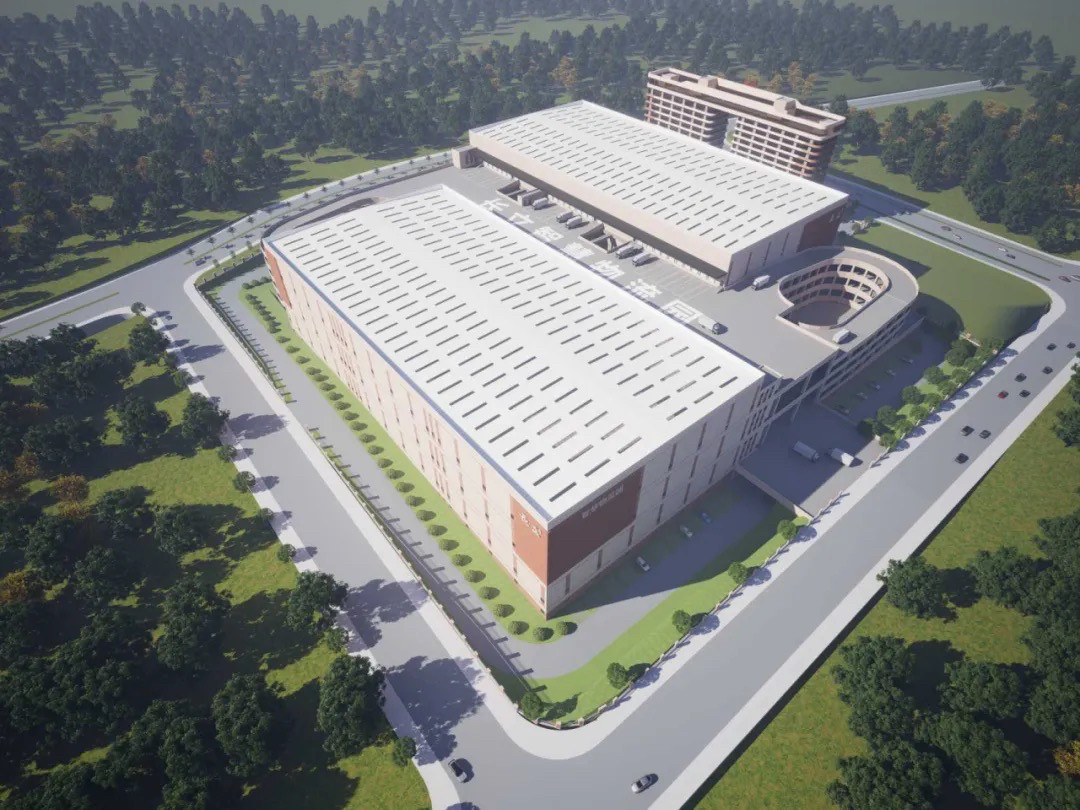
In Jinjiang, during the 14th Global Footwear Sustainability Summit, Changli Group unveiled its 200,000-square-metre logistics complex, due to become operational in 2027, and signed an agreement with SF International to measure the emissions of every footwear consignment.
Keep reading...You must login to read this free content
This content requires a subscription to view. Are you already a subscriber? Sign in