

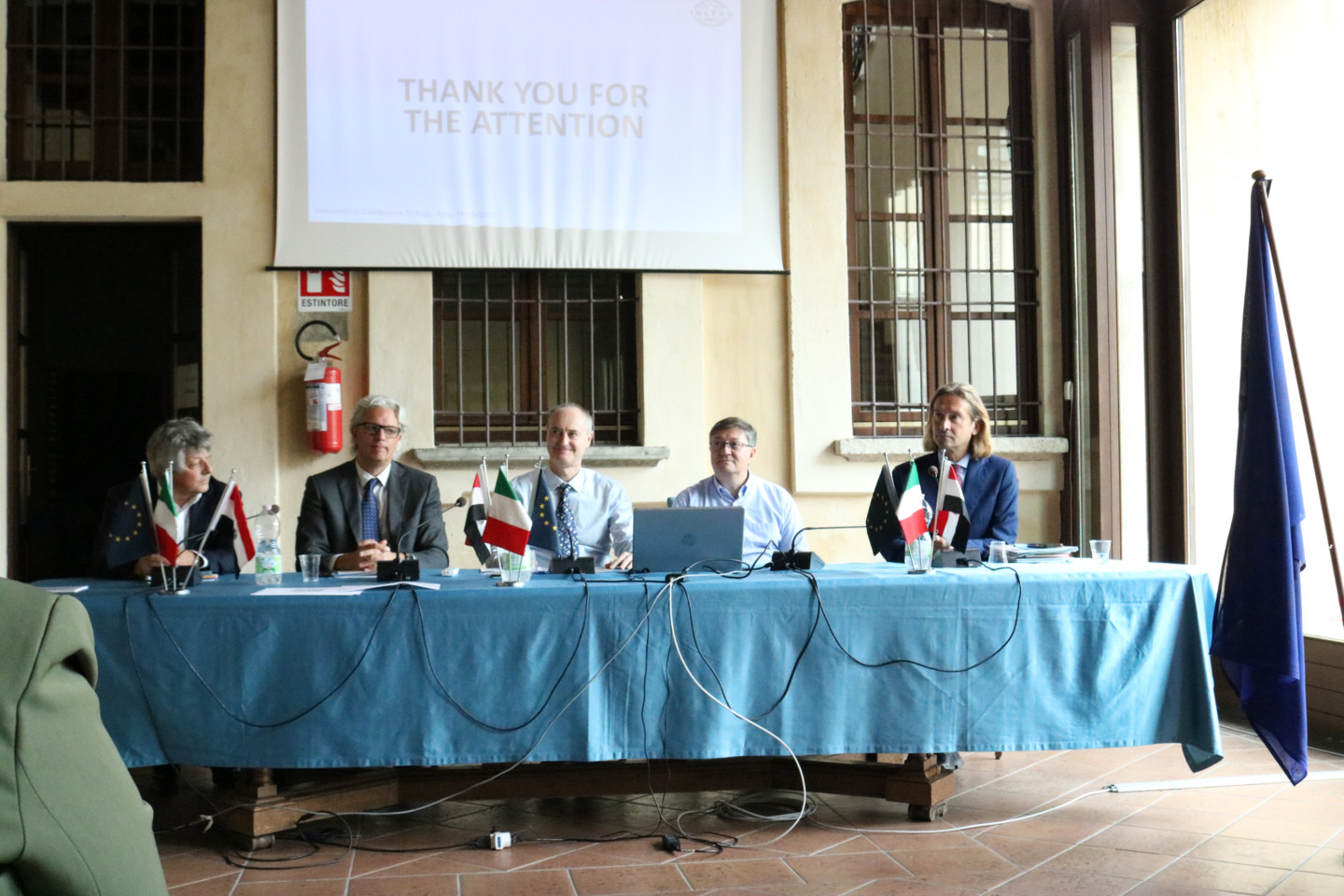
Robbiki Leather City: the Egyptian mission concludes in Turbigo
A Conference and the Signing of a “Memorandum of Understanding” to strengthen collaboration between Italy and Egypt in the leather industry
Keep reading...
June 2026
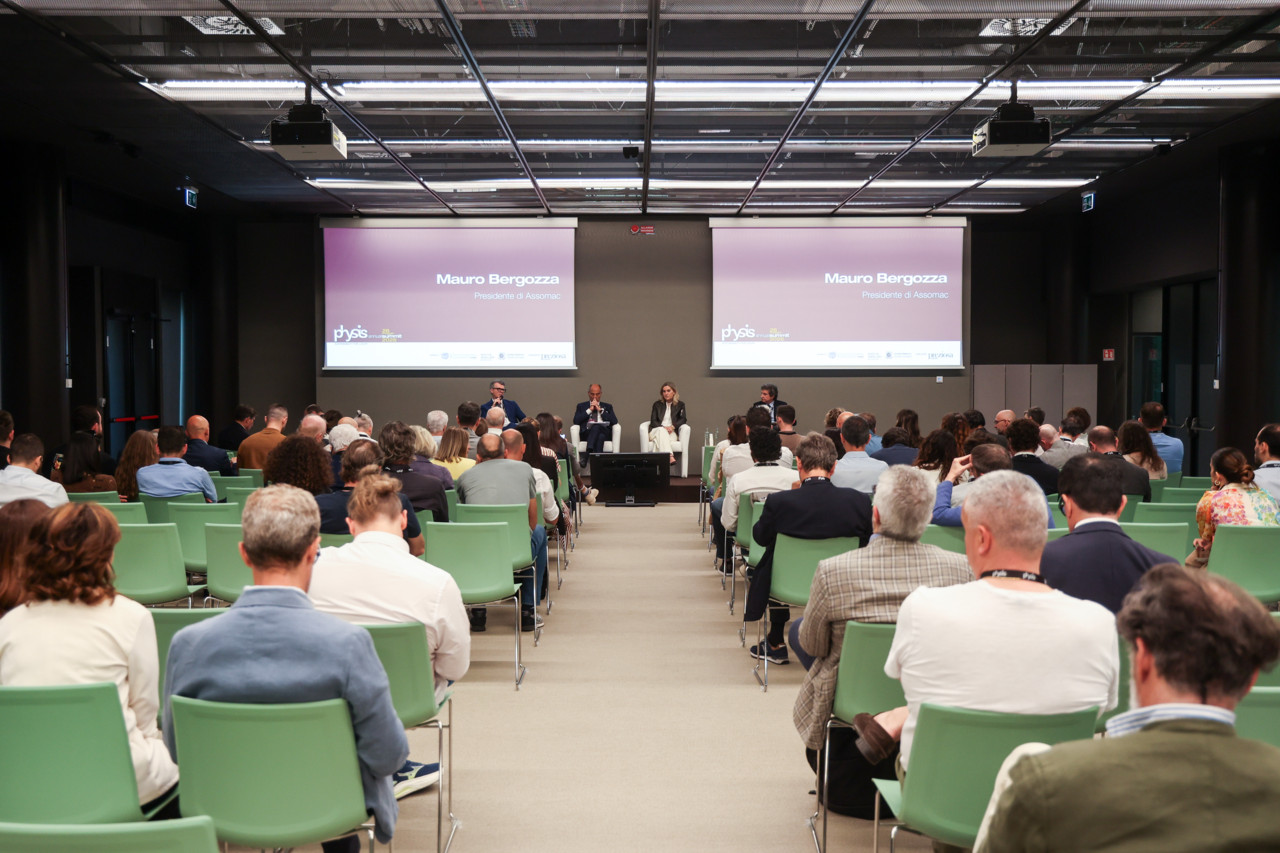
The third edition of the Physis Consortium summit, held on 28 May 2026 in Florence, captures an industry that, in the space of twelve months, has gone from being subject to regulations to drafting them: ISO working groups, MRSL, ZDHC, the Common Water Framework, 4S ETHIC and much more.
They arrive at our doorsteps. They are small, lightweight parcels, sent by people with unpronounceable names. They cost less than a hundred euros, incur no customs duties, and for the fashion sector alone, between 120 and 150 million of them enter Italy every year. An industrial scale disguised as personal shipments. From July 2026, the rules will change: new duties on non-EU parcels below the €100 threshold will come into force. Too late, according to many.
Those parcels are the face of ultra-fashion, the perfect negative of another story. That of Italian workshops, electroplating plants, engineering firms and finishers that produce luxury metal accessories and would never end up in those parcels. It is the supply chain that, over the past twelve months, has stopped asking for permission. And has started writing its own rules.
The third edition of the Physis Annual Summit, held in Florence on 28 May 2026, showcased the incredible work developed over three years of participation in various working groups.
The Physis Consortium — a benefit corporation and innovative start-up founded in 2023 — has grown to over forty member companies across four sectors: process materials, industrial plant engineering, accessory manufacturing, and finishing treatments. There were eight at the start.
STANDARDS
A year ago, at ISO headquarters, the Italian request for a working group dedicated to resistance testing for metal accessories was viewed as the request of a sector with requirements too specific for a global working group. In short, the ‘younger siblings’ of fine jewellery and watchmaking. Today, that working group includes more than ten countries, because the fine jewellery sector has also recognised that those requirements were its own as well. ISO/CD 25392-1 on resistance to humid heat will move to the DIS stage in September 2026, following the final consultation in May. It is a small standard, but it is Italian, and it comes from an industry that for decades had been testing its own accessories using methods developed for the electronics and automotive sectors. Meanwhile, ISO 19376-1:2025 on terms and definitions and ISO 9202:2026 on methods for determining the purity of precious metals have been published, whilst another working group (WG 6) is addressing the dimensions and functionality of jewellery items, from bracelet sizes to clasp specifications. Regarding recycled metal, the definition of ‘recycled gold’ established by ISO has already been adopted by the RJC and the LBMA. The next step comes from Italy: in the coming weeks, a proposal will be submitted to establish a European CEN working group dedicated to supply chain due diligence and the recycling of all precious metals.
CHEMICALS
The same pattern applies to substances. The textile, leather and footwear sectors have had an MRSL — the list of restricted substances in production — for years.
Metal accessories, however, do not. A conversation between Ester Falletta – technical director of Physis – and Elisa Monica Gavazza – Sector Lead and Quality Assurance Director of the ZDHC Roadmap to Zero – gave rise to a project that now sees the Consortium as the technical lead, with the patronage of ZDHC and the support of Kering and LVMH — at the summit with Maria Cristina Ligi, Gaia di Tommaso and Enrico Fatarella. The first draft has been sent; the technical council is being formed; kick-off in June 2026; publication expected by the end of the year. Future extension to paint formulators is already on the agenda. The message from the two luxury groups was clear: no one is asking to stop electroplating; the aim is to enhance a sector that is already performing well and to make its commitment measurable.
WATER
In bronze and alkaline copper baths, cyanides are a technical necessity, not a whim: they entered production precisely when, for regulatory reasons, nickel had to be phased out. For years, the only way to dispose of them was through chemical treatment with hypochlorite — a process that doubled the volume of water to be managed and which, in LCA tests, caused impact indicators to skyrocket. The solution developed within the Consortium is called electrochlorination. It started in the laboratory, moved through pilot lines, and is now in production. It operates continuously at low voltage, breaks down cyanides up to 40 grams per litre without increasing volume, and is scalable from a few hundred litres upwards. And — a detail of no small importance — it simultaneously recovers non-precious metals, which until recently were sent for disposal. Integrated with evaporators, it paves the way for a virtually closed-loop cycle.
AUDITS AND DATA
How many audits does a company in the supply chain undergo each year? Between fifteen and thirty, according to Francesca Rulli (co-founder of Ympact and 4sustainability), based on requirements that largely overlap. To reduce the burden and make the most of third-party certifications already held, a working group was set up — in collaboration with Confindustria Moda — which reviewed more than 20 different checklists and produced a single model: the 4s Ethic programme. Bureau Veritas Italia is the first body to apply it in practice from June 2026, with three other bodies already set to adopt it. Objective: to optimise verification processes across the supply chain and improve transparency for brands and suppliers.
A Physis consortium member acted as a test case in the beta trial.
The European Accelerator, with the contribution of the Physis Consortium, has released a harmonised questionnaire for energy, water and waste, already adopted by several brands. Here too, the aim is clear: to simplify and harmonise ESG data collection and the exchange of information along the supply chain
The Common Water Framework — developed by Kering, LVMH and other luxury and sports groups, with input from WWF, AWS, ZDHC and the Consortium itself — aims to harmonise the collection and assessment of information related to water management. It is currently in public consultation and is designed to be modular so that even a micro-enterprise can engage with it without being overwhelmed.
On the reporting front, Physis has continued its contribution to the EFRAG VSME standards, developing multilingual training materials and mapping free tools for unlisted SMEs. The leap to be made, said Rulli, is not from document-based bureaucracy to a new form of bureaucracy: it is the transition from a document-based ecosystem to a data-based one.
MARKET
The third round table — moderated by Minister Plenipotentiary Giuseppe Scognamiglio, president of Eastwest — looked beyond the laboratories. Maria Cristina Squarcialupi – Confindustria Federorafi – described a perfect storm: gold above $5,500 an ounce in January 2026, US tariffs, frozen Middle Eastern markets, and the collapse of Turkey, which went from a 500% increase in exports in the 2024–25 period to eighth place in the first two months of 2026. The rush for the metal, she noted, began before the geopolitical crises: it was the central banks that had been buying gold for years to break free from dependence on the dollar, and when the financial sector joined in, the price skyrocketed. Italy remains the world’s leading exporter of gold jewellery and the third-largest producer — after India and China — with exports accounting for 90% of production. Carlo Palmieri – Confindustria Moda – laid the figures on the table: the sector, which was worth €96 billion in 2023, fell to €89 billion in 2024, whilst 2025 is expected to close at €70 billion. For the first time, the association has adopted a strategic plan with a horizon extending beyond 2030, presented to the Senate and the Chamber of Deputies, which calls for energy subsidies, EPR, redundancy schemes and the harmonisation of audits. Mauro Bergozza – Assomac – pointed out that Italy is the only European country left as a supplier of leather processing technologies: competition comes from China, Korea and Taiwan, offering lower prices and incomparable quality. The direction to aim for, he said, is clear: artificial intelligence and traceability from livestock farming to the finished product.
What will the Physis Consortium focus on in the coming months, and which critical issues within the supply chain will it seek to address and resolve? How to approach due diligence within the supply chain; how to handle auditing of supply chain due diligence whilst protecting companies’ know-how and confidential data; how to continue on the path towards harmonising audits and enhancing the value of third-party certifications; considering the certification of recycled materials; continuing to focus on collaboration and dialogue between client brands and the supply chain to develop shared solutions that, in effect, represent a win-win solution.
A Conference and the Signing of a “Memorandum of Understanding” to strengthen collaboration between Italy and Egypt in the leather industry
Keep reading...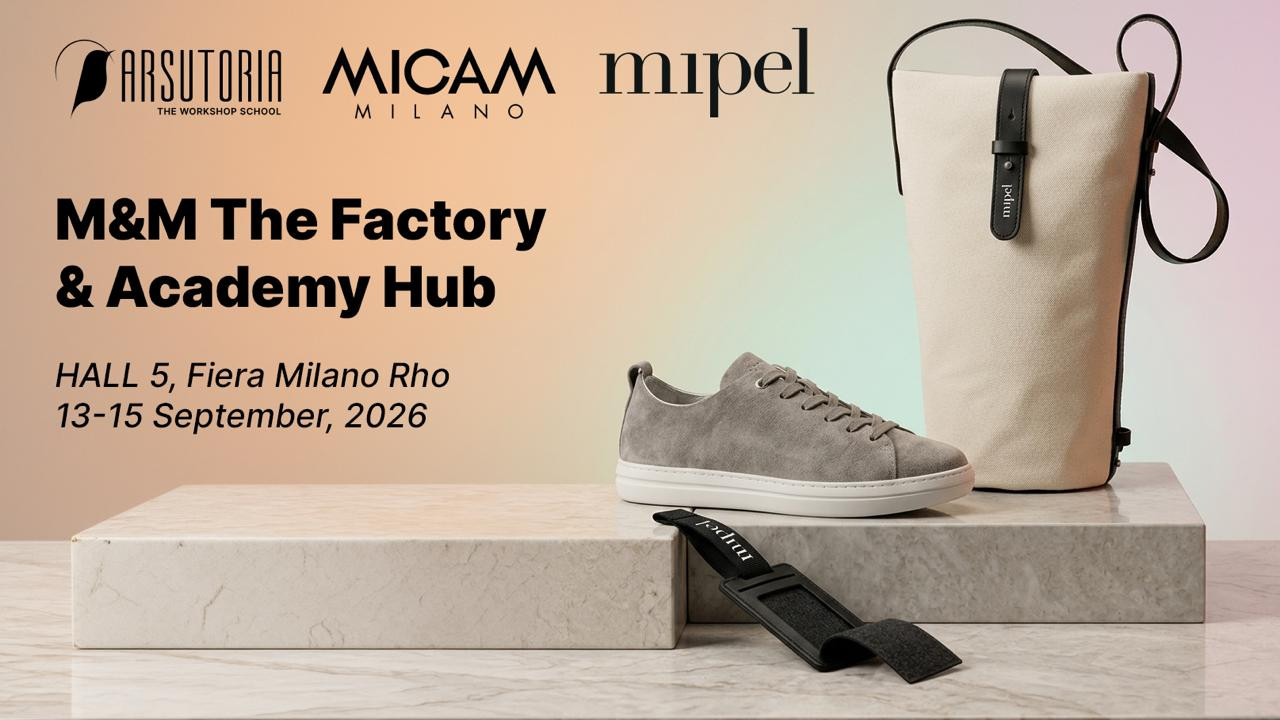
From 13 to 15 September 2026, in Hall 5 at Fiera Milano Rho, the M&M – The Factory & Academy Hub builds a luggage tag, a sneaker and a bag live. Almost 30 material and technology companies involved, and an educational programme developed by Arsutoria.
Keep reading...
At the helm of Riva del Garda Fierecongressi since 2007, he propelled the fairs beyond national borders. A tribute to a leader who foresaw the future by looking back.
Keep reading...You must login to read this free content
This content requires a subscription to view. Are you already a subscriber? Sign in