

2025: a turning point for Italian digital commerce
According to Netcomm, the past year has led to radical changes in Italian trade, which will inevitably impact 2026 and beyond.
Keep reading...
September 2025
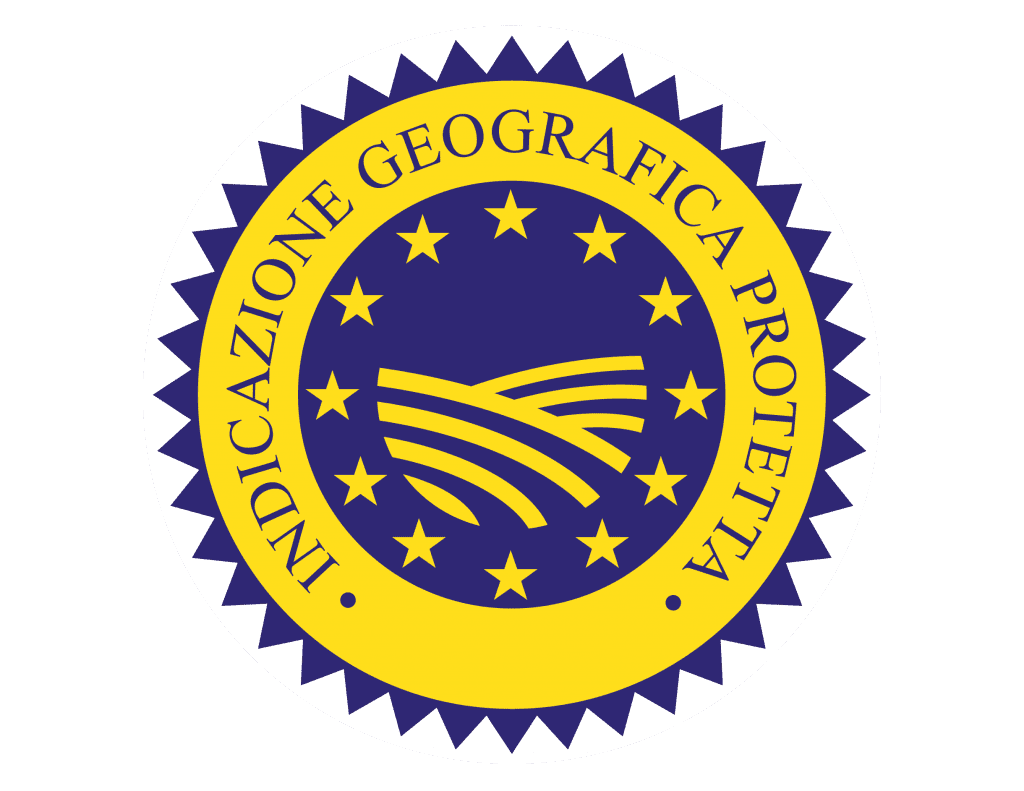
The protection of regional excellence is no longer reserved for agri-food products: the EU has approved a regulation extending Protected Geographical Indication (PGI) status to artisanal and industrial products.
From 1 December 2025, PGI registration will be possible for these non-food products. This new instrument, valid in all EU countries, will offer manufactured goods the same protection enjoyed by cheeses, wines and other typical foods, promoting local territories and products internationally.
Made in Italy and footwear
The Italian footwear industry is a flagship of Made in Italy. The sector employs over 73,000 people and exports 85% of its production, with an annual turnover of €14.6 billion. Italy remains by far the leading footwear manufacturer in the European Union (around 30% of the total) and is the undisputed world leader in high-end footwear. The ‘Made in Italy’ brand in the world of footwear is synonymous with quality and style, the result of a tradition of craftsmanship rooted in the country’s districts.
Protection from imitations
However, globalisation has exposed Italian footwear to imitations: poor-quality foreign products are passed off as Italian with misleading names or improper ‘Made in Italy’ labels. In this context, the PGI acts as a shield: it will be reserved for footwear linked to a specific territory and of certified quality. It will protect these products throughout the EU, providing a defence against counterfeiting. In addition to the more generic ‘made in’, the PGI certifies authenticity and requires that at least one stage of production takes place in the area of origin.
Export and marketing
In addition to providing protection, the PGI can enhance the value of Italian shoes on the market. The PGI will become a mark of quality for footwear, offering companies a new marketing tool. On foreign markets, certification will increase the visibility and credibility of Italian footwear and could facilitate access to public funding for local excellence.
Industry voices
The PGI reform has been welcomed by trade associations. The CNA notes that this tool, which has been awaited for years, will make it possible to protect Italian craftsmanship with a European mark, also protecting footwear from counterfeiting. In the Fermano district of the Marche region, local producers see the PGI as a driver for recovery: they note that in other sectors, geographical recognition has boosted sales and international reputation. In a sector emerging from a downturn (exports down 9.2% and turnover down 9.7% in 2024), the arrival of the PGI mark opens up prospects for the revival and defence of Made in Italy. The aim is to preserve the heritage and quality of our footwear, giving artisans official recognition to compete globally.
According to Netcomm, the past year has led to radical changes in Italian trade, which will inevitably impact 2026 and beyond.
Keep reading...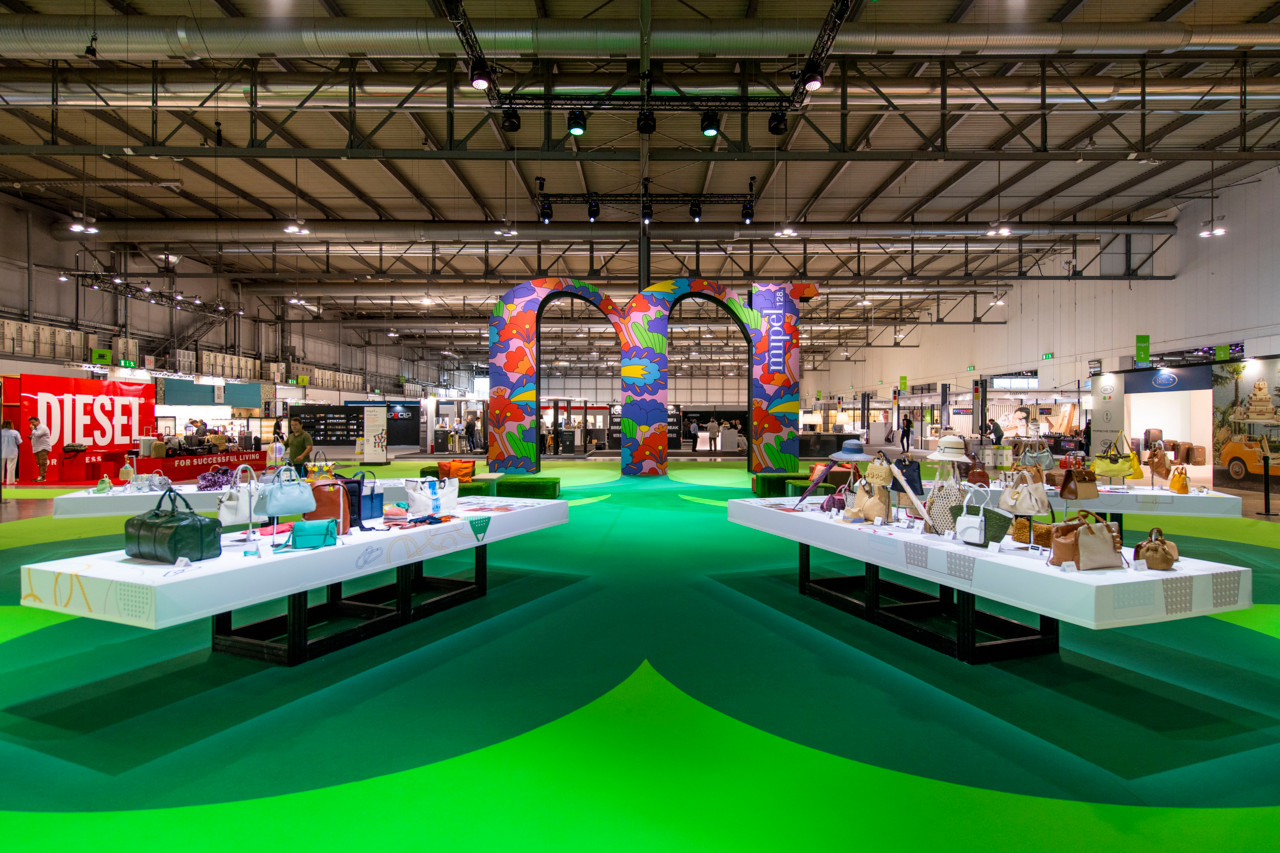
Data from the Confindustria Fashion Accessories Study Centre for Assopellettieri show negative figures for the third quarter of 2025 as well, albeit with a slight improvement compared to the beginning of the year, which will hopefully turn into a recovery in 2026.
Keep reading...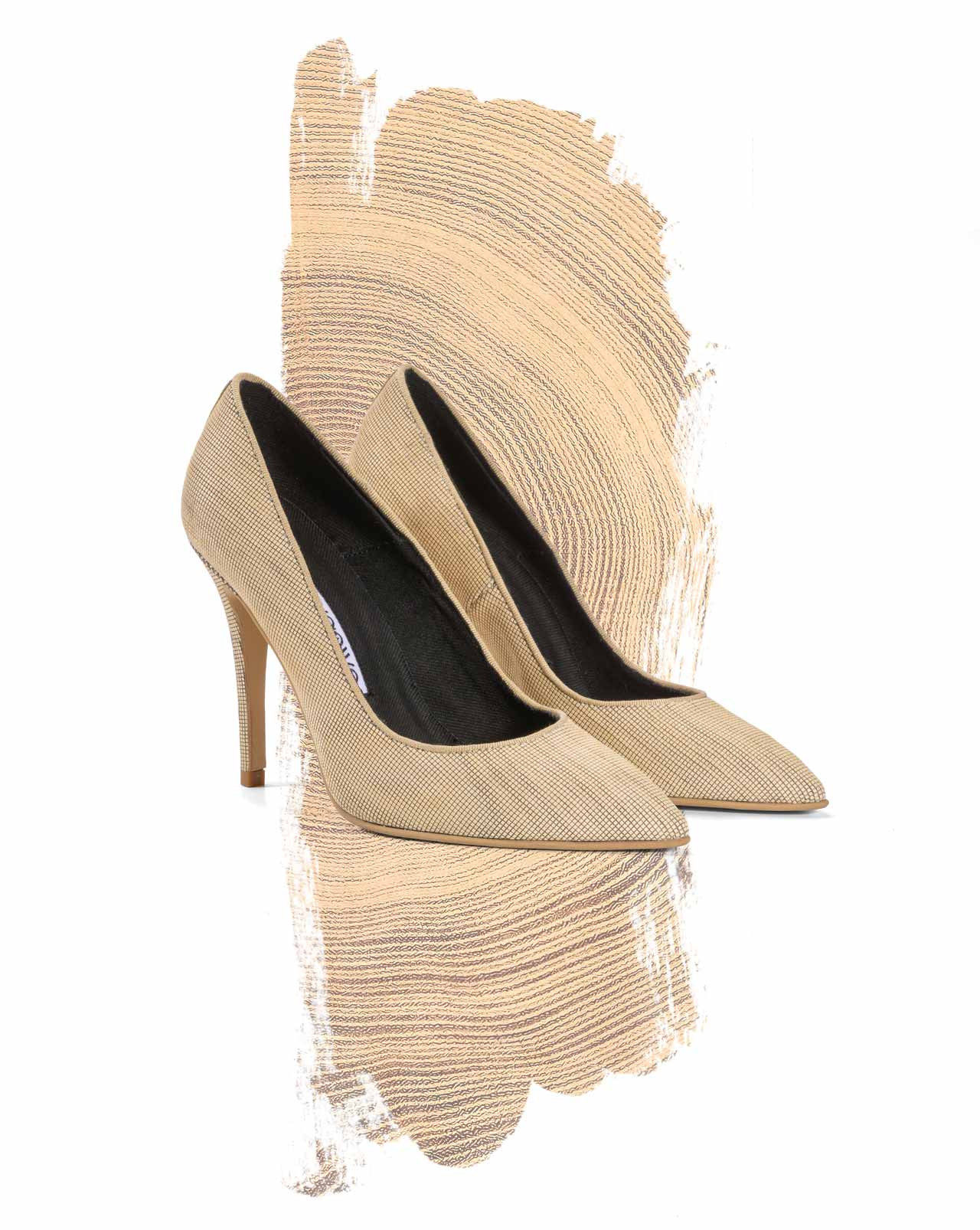
The new frontier of sustainable footwear combines technological innovation and respect for the environment, transforming paper and wood waste into luxury accessories and circular sneakers.
Keep reading...You must login to read this free content
This content requires a subscription to view. Are you already a subscriber? Sign in