


2025: a turning point for Italian digital commerce
According to Netcomm, the past year has led to radical changes in Italian trade, which will inevitably impact 2026 and beyond.
Keep reading...
January 2026
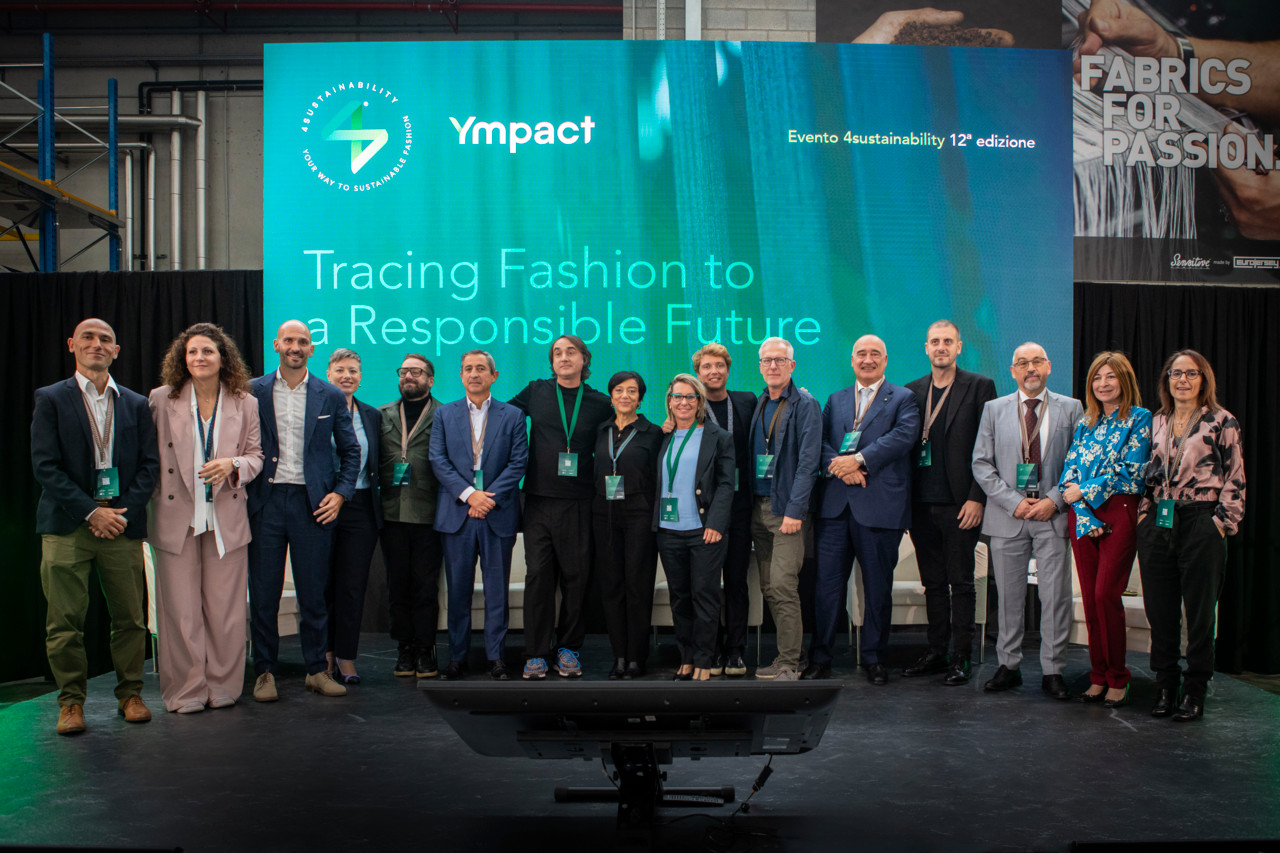
Over 500 participants and guests – including brands and leading figures in the supply chain – attended the 12th edition of the annual event, hosted on 3 October at the Eurojersey production facility.
The 12th edition of the annual 4sustainability event, which has become a regular fixture for professionals who want to discuss sustainable transition, was successfully concluded on 3 October 2025 at the Eurojersey production facility in Caronno Pertusella, in the province of Varese.
The protagonist of the initiative is Ympact, a brand of the Italian YHub Group that provides innovative services and IT platforms for responsible fashion and which, through the integration of skills, methods and technology, supports brands and supply chains in tracking and reducing the environmental and social impacts of production.
Ympact is the platform that implements the 4sustainability framework, which companies can use to measure their performance on key sustainability dimensions in the sector. It brings together the companies of the YHub group, which has seen the entry into the corporate structure of Foro delle Arti (Brunello Cucinelli SpA holding company), Matteo Marzotto, Federico Marchetti, Giorgio Armani SpA and Fondazione del Tessile Italiano.
The two co-founders of Ympact, Francesca Rulli (creator of the 4sustainability® framework) and Massimo Brandellero (founder of The ID Factory), commented: ‘This event, with over 500 participants, confirms the industry’s interest in shared paths towards responsible fashion: brands and supply chains are called upon to collaborate in tracking processes and products and monitoring environmental and social impact towards new models of sustainable production. With Ympact, we support brands and supply chains in this direction through expertise, methodologies and supporting technologies.’
Tracing Fashion to a Responsible Future
After introductory remarks by Rulli and Crespi, Valentina Boschetto Doorly (Associate Partner Italy, Copenhagen Institute for Futures Studies) outlined the four mega trends that characterise our historical period: climate change, demographic change, technology and artificial intelligence, and deglobalisation. In order to respond adequately to these four trends, it is necessary to track data, processes and supply chains – as outlined by Francesca Rulli and Massimo Brandellero – so as to enable the management of a responsible supply chain and production model based on harmonised frameworks and supported by experts and technology.
Digital Product Passport and Supply Chain Due Diligence
The Ympact system is designed to facilitate the adoption of the Digital Product Passport (DPP), made mandatory by the European Ecodesign Regulation (ESPR): a topic at the centre of the dialogue between Michele Zuccheri (Head of Business Development, Certilogo) and Carolynn Bernier (Coordinator, CIRPASS-2 consortium). But, in practical terms, how can we ensure that systematic data collection becomes the starting point for genuine improvement? This was the starting point for the debate between Elisa Gavazza (Southern Europe and Quality Management Director, ZDHC), Daniele Massetti (Regional Lead Italy, Apparel Impact Institute), Alessandro Barrani (Industrial Sustainability Manager, Prada) and Elisa Santi (Sustainability Manager, Beste), moderated by Ester Falletta (Technical Director, Consorzio Physis | Consultant, Ympact).
The discussion then turned to supply chain due diligence, comparing the consulting perspective, represented by Deloitte with Partner Franco Amelio, with whom Ympact has just launched a White Paper on good monitoring practices, and that of a brand of the calibre of Giorgio Armani. Rossella Ravagli, Sustainability Director at Giorgio Armani, emphasised how the supplier monitoring system must start with a significant commitment on the part of the company.
To consolidate its structure and reinforce long-established best practices, the Armani Group has streamlined its supplier base, imposed clear contractual clauses and carried out unannounced checks. Starting this year, the entire process is supported by the Ympact technology platform for data collection and traceability, aimed at digitising and optimising the procedures adopted.
However, for monitoring systems to work, they must be harmonised with each other. Otherwise, suppliers risk being overwhelmed by heterogeneous, repetitive and purely compilative requests. Harmonisation is the concept that guides Ympact in defining 4s ETHIC, the new 4sustainability pillar through which suppliers can certify their compliance (environmental, social and reputational) in line with market demands, due diligence and the legality protocol. Luca Sburlati (President, Confindustria Moda), Paolo Tondi (Italy Certification Sales Manager, Bureau Veritas) and Andrea Sianesi (Professor of Operations and Supply Chain Management, Politecnico di Milano) discussed the topic.
Made in Italy and unfair competition
Luca Sburlati, president of Confindustria Moda, made it clear that the sector – which employs 1.2 million people in Italy and accounts for 5% of GDP, according to CDP – must face competition from Chinese giants, who can afford to offer rock-bottom prices thanks to their very low environmental and social standards and the absence of customs duties on small shipments. Made in Italy, currently under attack, can move from reactivity to proactivity by working together on a major plan for the next ten years. Three measures to be accelerated, he explained, are the extended producer responsibility (EPR) system, factory monitoring (including suppliers’ factories) and a common auditing system.
One of the most significant measures taken in recent months is the Memorandum of Understanding for the legality of procurement contracts in the fashion supply chain, signed at the Prefecture of Milan at the end of May. Andrea Sianesi, Professor of Operations and Supply Chain Management at the Politecnico di Milano, contributed to this project. Sianesi emphasised that, thanks to the collaboration of all stakeholders, the legality protocol has the potential to transform Made in Italy into a world champion of social sustainability, because it protects those who operate responsibly and isolates those who do not. However, for this mechanism to work in market terms, incentives for sustainable production are needed.
According to Netcomm, the past year has led to radical changes in Italian trade, which will inevitably impact 2026 and beyond.
Keep reading...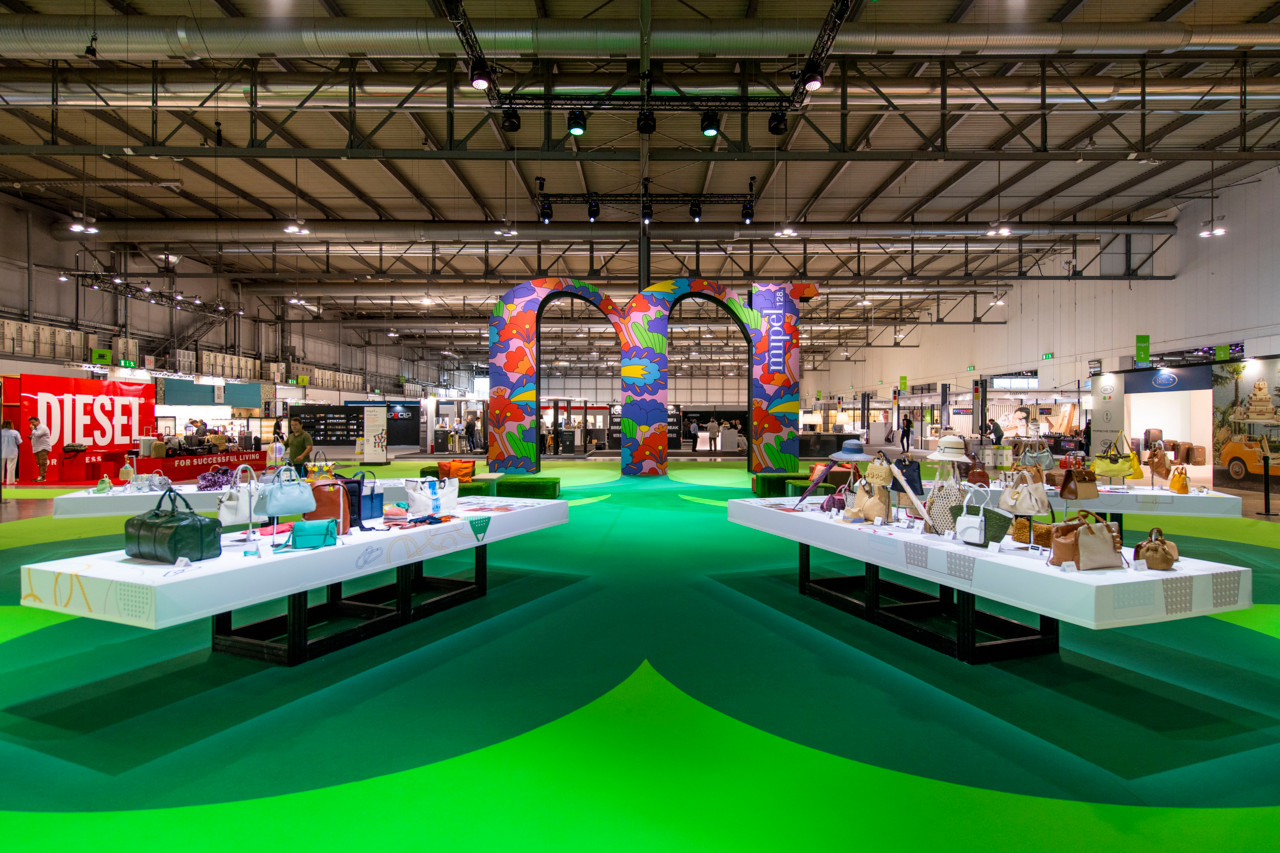
Data from the Confindustria Fashion Accessories Study Centre for Assopellettieri show negative figures for the third quarter of 2025 as well, albeit with a slight improvement compared to the beginning of the year, which will hopefully turn into a recovery in 2026.
Keep reading...
The new frontier of sustainable footwear combines technological innovation and respect for the environment, transforming paper and wood waste into luxury accessories and circular sneakers.
Keep reading...You must login to read this free content
This content requires a subscription to view. Are you already a subscriber? Sign in