


2025: a turning point for Italian digital commerce
According to Netcomm, the past year has led to radical changes in Italian trade, which will inevitably impact 2026 and beyond.
Keep reading...
December 2025

The final panel of the "Welcome to the Factory of the Future!" conference brought together leading figures from the European footwear and textile industry to discuss reindustrialisation. Between real opportunities and regulatory obstacles, the debate highlighted an uncomfortable truth: the rules of the game are not the same for everyone.
From 30% to 3%: this is the collapse in European footwear production over the last thirty years. A figure that weighs heavily and provided the backdrop for the discussion between César Araújo (ANIVEC), João Maia (APICCAPS) and Kerstin Jorna (DG Grow).
“The Portuguese footwear industry is a success story, combining tradition with technology,” said Jorna in a video message. This optimism is understandable, but it clashes with a much harsher reality.
The influx of Asian players has upset the global balance. Yet, as Maia points out, Europe has managed to retain “the stages of added value: the creative process, brand management and the production of more prestigious footwear”. In other words, that remaining 3% is made up of excellence, premium products and luxury. Portugal, Spain and Italy are holding out thanks to their skills and know-how.
But resistance is not enough. The crucial issue is unfair competition. “Europe allows third countries to use the European market without applying the same rules that industries on the Old Continent have to comply with,” Araújo complains. He adds: “We are also facing the biggest tax fraud of the 21st century,” with non-European operators circumventing customs duties and VAT.
The regulatory response? Slow. Maia confirms that the European Commission will intervene, but only in 2028. Too late for those competing today.
And reindustrialisation? We have often described it as the great return of factories close to consumer markets. The reality is more nuanced: production is shifting to other, more competitive Asian countries. The real challenge, according to Maia, is “bringing production to Europe where our skills can generate competitive businesses.”
Araújo concludes with a vision: “European industry must transform itself, focusing on value-added products and the circular economy.” Provided that the rules apply to everyone.
According to Netcomm, the past year has led to radical changes in Italian trade, which will inevitably impact 2026 and beyond.
Keep reading...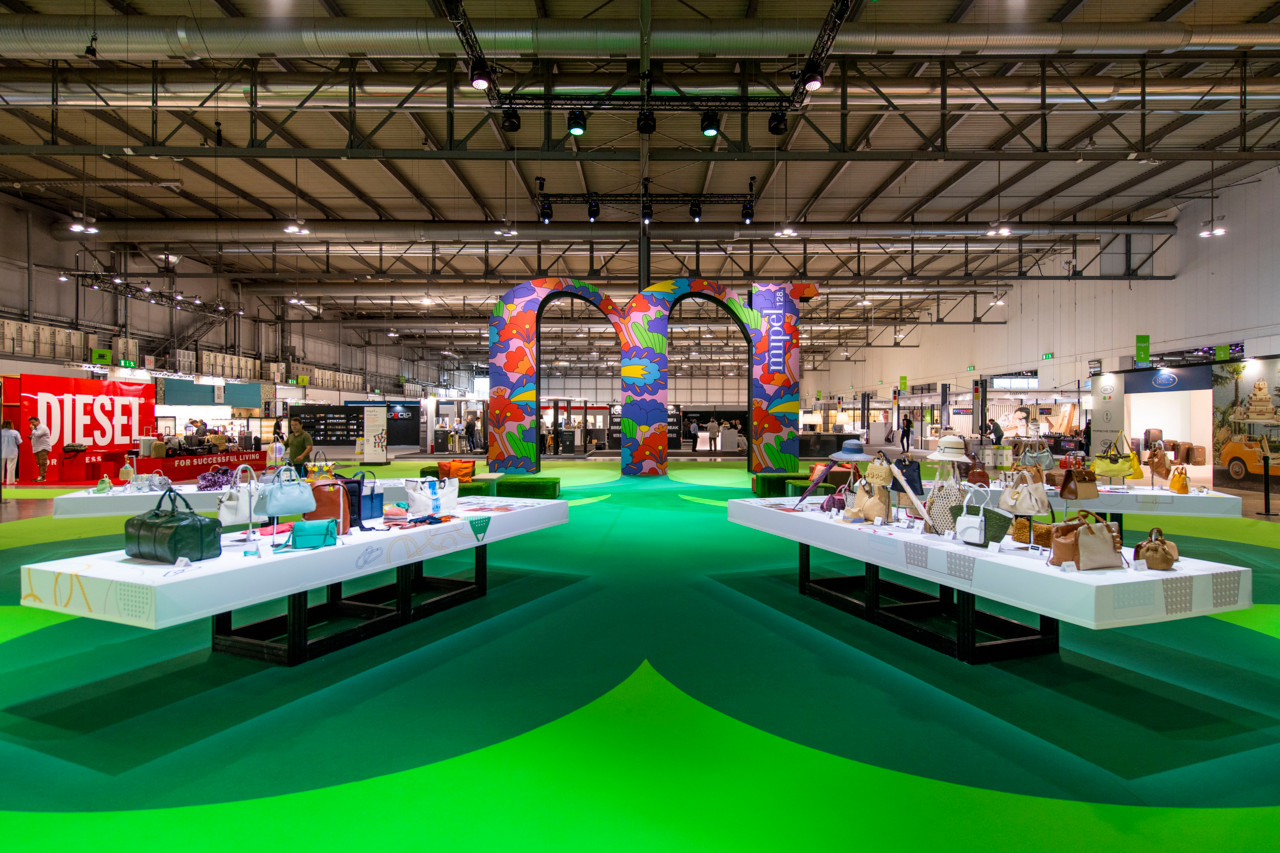
Data from the Confindustria Fashion Accessories Study Centre for Assopellettieri show negative figures for the third quarter of 2025 as well, albeit with a slight improvement compared to the beginning of the year, which will hopefully turn into a recovery in 2026.
Keep reading...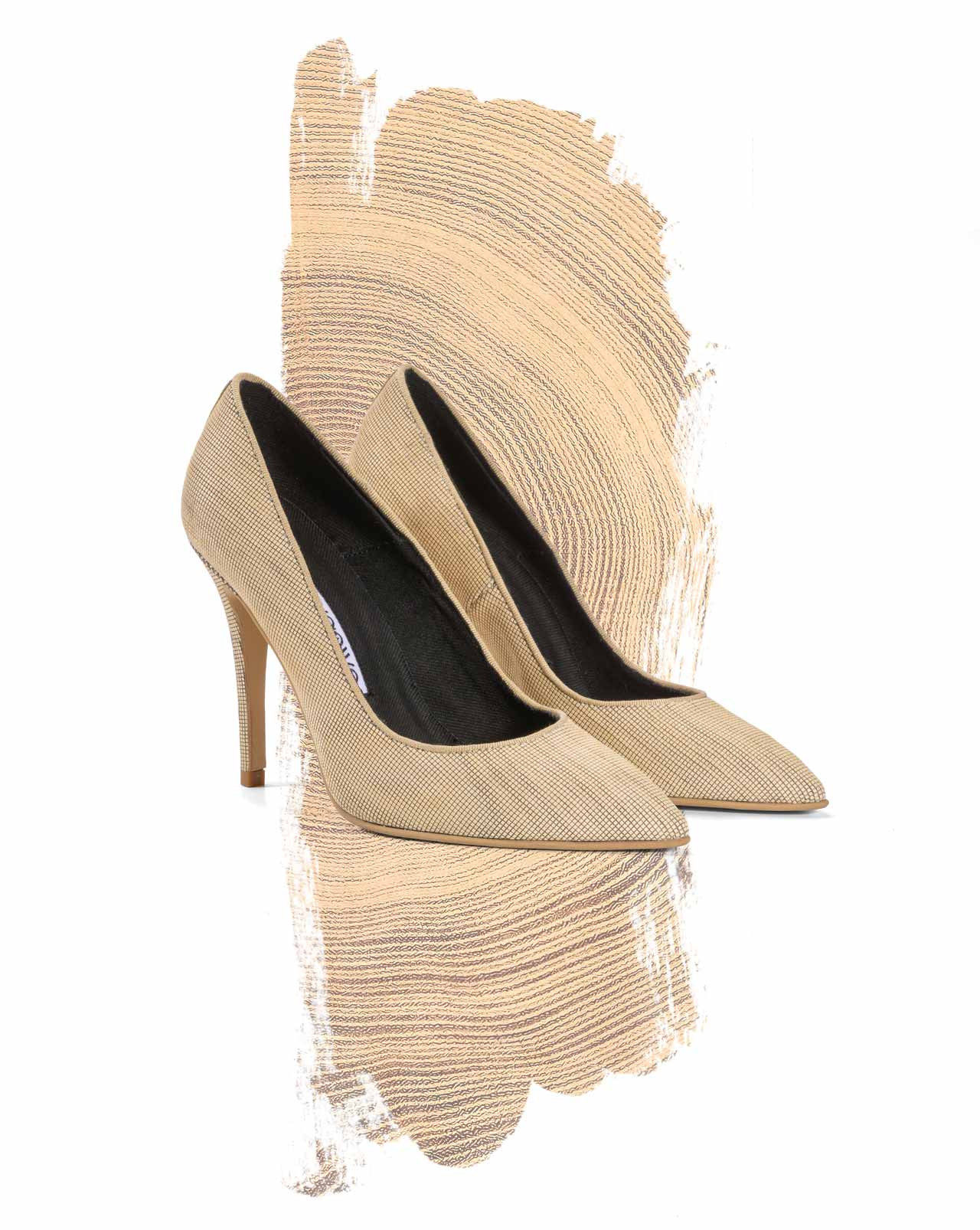
The new frontier of sustainable footwear combines technological innovation and respect for the environment, transforming paper and wood waste into luxury accessories and circular sneakers.
Keep reading...You must login to read this free content
This content requires a subscription to view. Are you already a subscriber? Sign in