

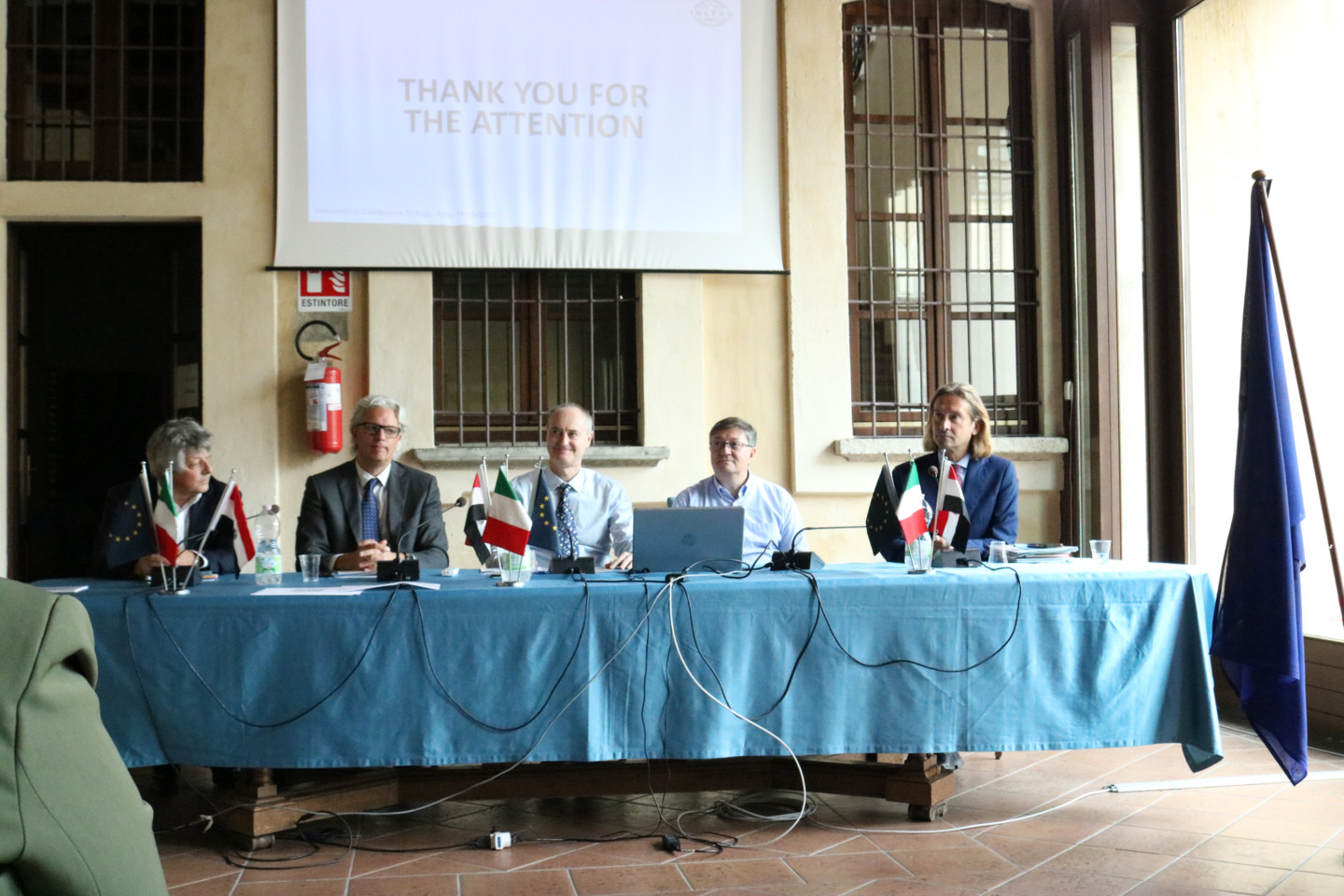
Robbiki Leather City: the Egyptian mission concludes in Turbigo
A Conference and the Signing of a “Memorandum of Understanding” to strengthen collaboration between Italy and Egypt in the leather industry
Keep reading...
August 2025
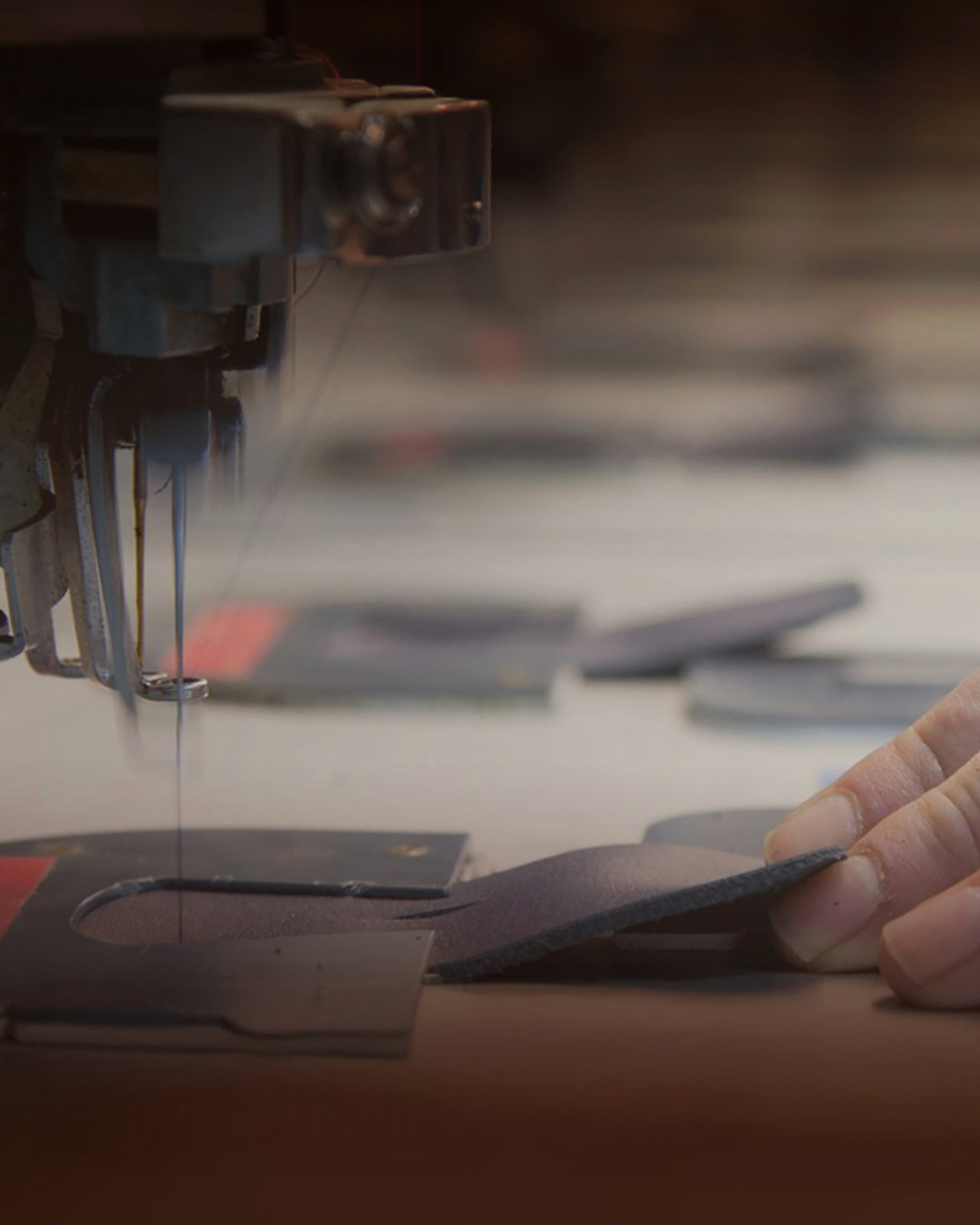
The scenario that emerged from the KPMG and Assocalzaturifici study outlines the roadmap for transforming the sector with the ‘Italy 2030 Plan’.
According to the study, the Italian sector has gone through alternating phases: after growing by +0.4% in the period 2019-2023, it recorded a significant contraction of -9.4% in 2023-2024. However, historical analysis of the last 160 years (1861-2022) shows the extraordinary resilience of Made in Italy, which has been able to overcome global crises and momentous economic transformations.
The survey highlights a fundamental paradigm shift: uncertainty should not be seen as a limitation, but as a competitive advantage. According to the analysis, it becomes a limitation when a company is too dependent on a single market, lacks risk plans or diversified supply chains, or when human capital is unable to recognise the signs of change.
It becomes an advantage when the company invests in resilience through diversified markets and smart inventories, exploits flexibility and creativity, distinctive features of the Italian model, and uses uncertainty to enhance the reliability of Made in Italy compared to suppliers more exposed to geopolitical risks.
The analysis also highlighted the importance of the Italy 2030 Plan, a strategic project based on a cultural transformation that moves ‘From Resistance to Vision, From Resilience to Ambition’, structured around four pillars: Vision, Challenges, Game Changers and Priorities. In particular, the strategy is divided into six concrete actions, defined as “reasons for future success”: acting and planning with a systemic approach, not alone; leveraging new technologies; rethinking organisational models; growing by exporting value; promoting Made in Italy; innovating the business model.
These actions must be viewed in a context where Italy is the world’s third largest exporter of footwear, with particular strength in high value-added segments. The geographical diversification of exports to EU countries4 underlines the strength of European trade relations, while growth in emerging markets opens up new opportunities.
The study concludes with a key message: ‘Improving the lives of those who choose Made in Italy’. An approach focused on value and quality of life for consumers is therefore the key to transforming the current difficult period into a springboard for the future.
A Conference and the Signing of a “Memorandum of Understanding” to strengthen collaboration between Italy and Egypt in the leather industry
Keep reading...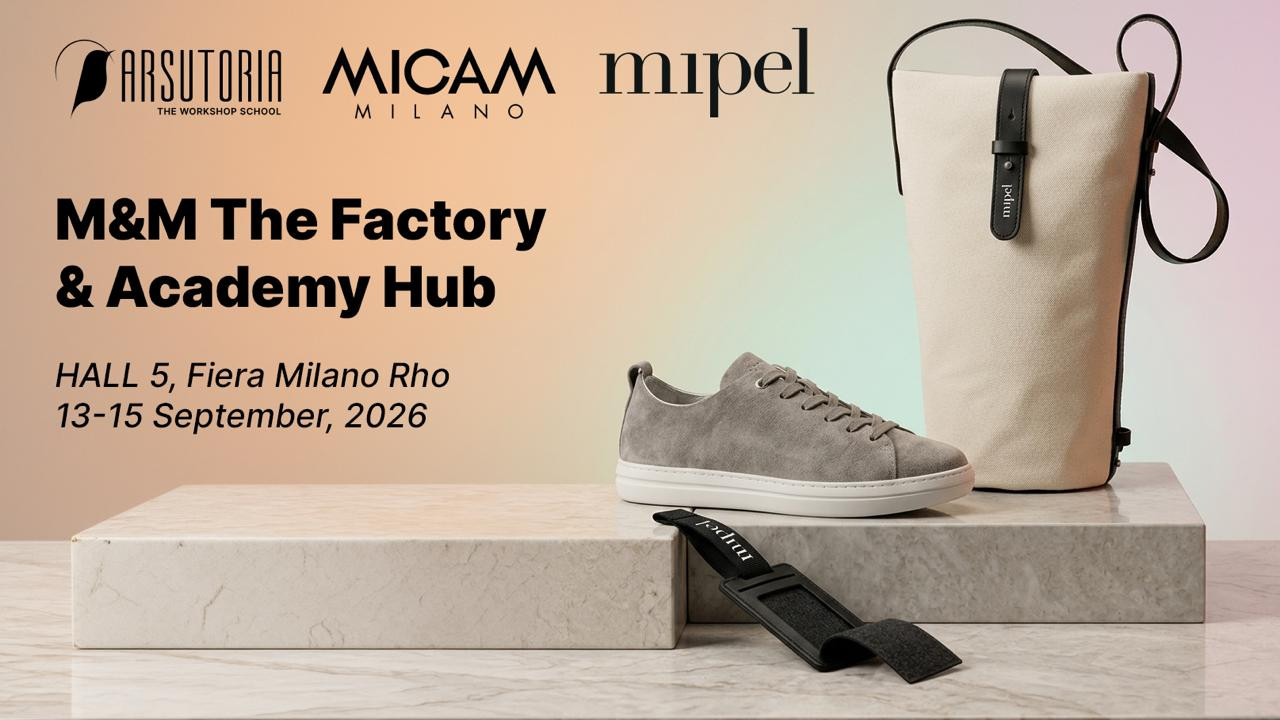
From 13 to 15 September 2026, in Hall 5 at Fiera Milano Rho, the M&M – The Factory & Academy Hub builds a luggage tag, a sneaker and a bag live. Almost 30 material and technology companies involved, and an educational programme developed by Arsutoria.
Keep reading...
At the helm of Riva del Garda Fierecongressi since 2007, he propelled the fairs beyond national borders. A tribute to a leader who foresaw the future by looking back.
Keep reading...You must login to read this free content
This content requires a subscription to view. Are you already a subscriber? Sign in