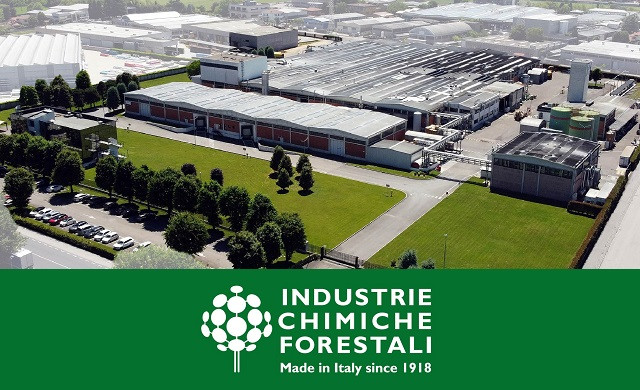
Industrie Chimiche Forestali Spa reports revenue of €72.6 million and approves a dividend of €0.30 per share, but the footwear and leather goods sector continues to struggle.
Company news Arsutoria
May 2026
The company, a leading international player in the design, production and marketing of high-tech adhesives and fabrics, listed on the Euronext Growth Milan market, approved its financial statements for the year ended 31 December 2025 on 28 April and reviewed the consolidated financial statements for the year ended 31 December 2025. The key consolidated results show revenues of €72.6 million, EBITDA of €9.7 million, up from €8.9 million as at 31 December 2024, with a margin of 13.3%. Adjusted EBIT stood at €6.8 million, up 17% on 2024.
The Shareholders’ Meeting also approved the allocation of the net profit for the year and the distribution of a dividend of €0.30 per share. This was followed by the appointment of the new management team, with Guido Cami as Chairman of the Board of Directors and Chief Executive Officer. Marina Balzano, Steven Kenny and Roberto Rettani were appointed as independent directors. A new share buyback programme was also authorised, aimed at enabling ICF to build up a share portfolio to be used for extraordinary financial transactions and/or other financial, managerial and strategic purposes.
A resilient company in a challenging environment
In an interview with Class CNBC, Chairman Guido Cami commented on these excellent financial results, highlighting that, in reality, revenues are down from €75.2 million as at 31 December 2024, primarily due to the contraction in the footwear and leather goods sector, which was offset by positive performance in other sectors in which ICF operates, such as automotive and flexible packaging.
Cami also highlighted how Italy is becoming increasingly expensive for the global market: “Italian products are costly, generally speaking, in terms of compliance, regulation and energy, and this causes us to lose competitiveness compared to the Far East. Looking specifically at our portfolio, however, we have seen that we have managed to regain market share in Europe, because our customers who manufacture and sell in Europe are themselves subject to increasingly restrictive and stringent European regulations.”
Today, Cami points out, “the mantra is no longer simply to bring in orders and turnover, but we need to be more selective, producing niche, more technical products that comply with regulations and feature strong innovation. Only in this way do margins increase”. To achieve this, a company needs to be well-structured in terms of machinery, but it also requires a great deal of imagination and curiosity in commercial matters, a strong R&D team for innovation and, finally, effective administrative and managerial control.
With regard to the serious crisis in the Middle East and its consequences, Cami states that since 2 March there has been a significant surge in the cost of all raw materials, and this is bound to have a significant impact in the near future: “Raw materials account for around 60–62% of our costs, and solvents – whose price has tripled – make up almost 70% of that 60–62%, so you can imagine the impact. The difference compared to 2021 and the post-Covid period is that – for the time being – the surge in raw material prices has not yet been accompanied by a shortage of these materials, at least in Europe. The real question is what will happen between now and the next 3–4 months, between now and the summer holidays.”
Guido Cami, Chairman of the Board of Directors and Chief Executive Officer
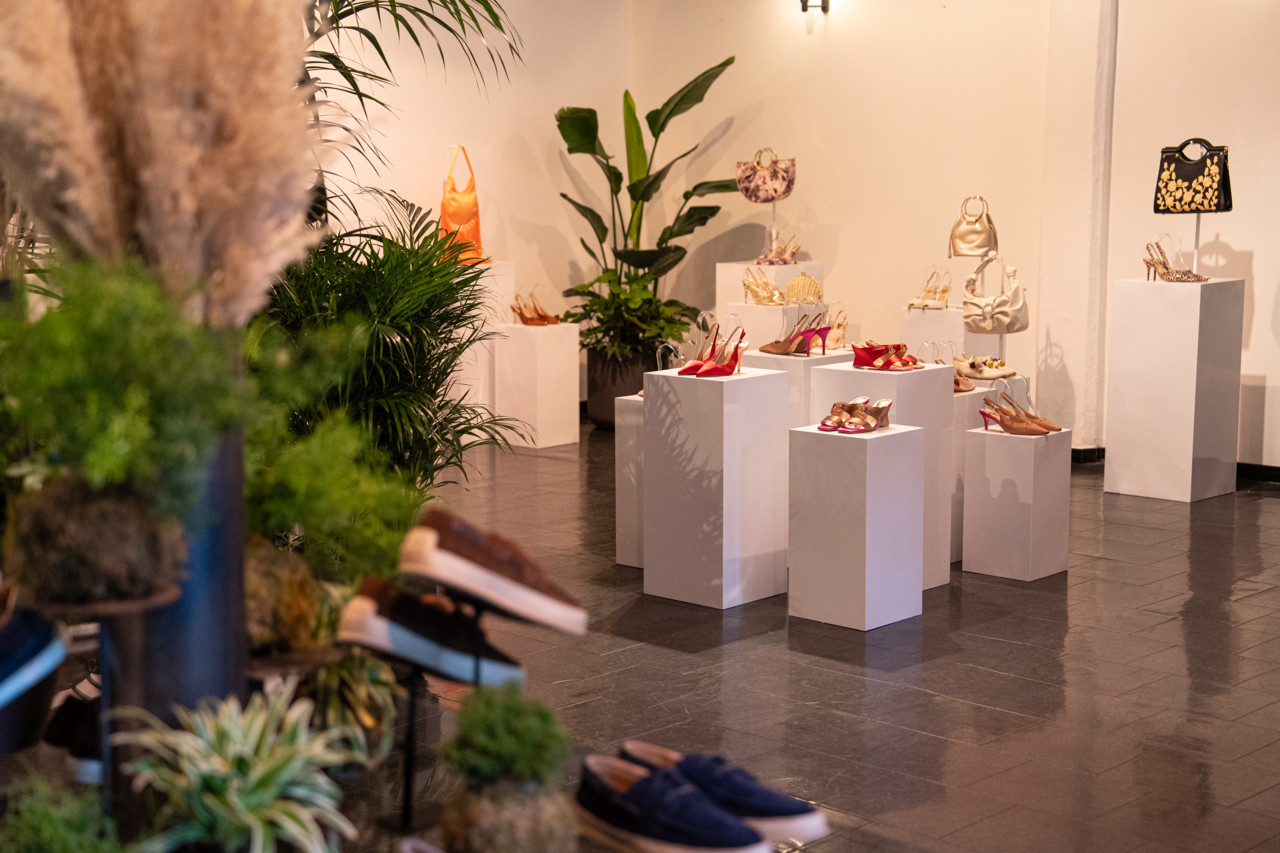
For Spring/Summer 2027, the Women’s Collection focuses on sculptural heels and couture materials, whilst the Men’s Black Label collection embraces a Mediterranean casual style. The collections were presented at the historic Luciano Soprani showroom at 30 Via Morosini in Milan.
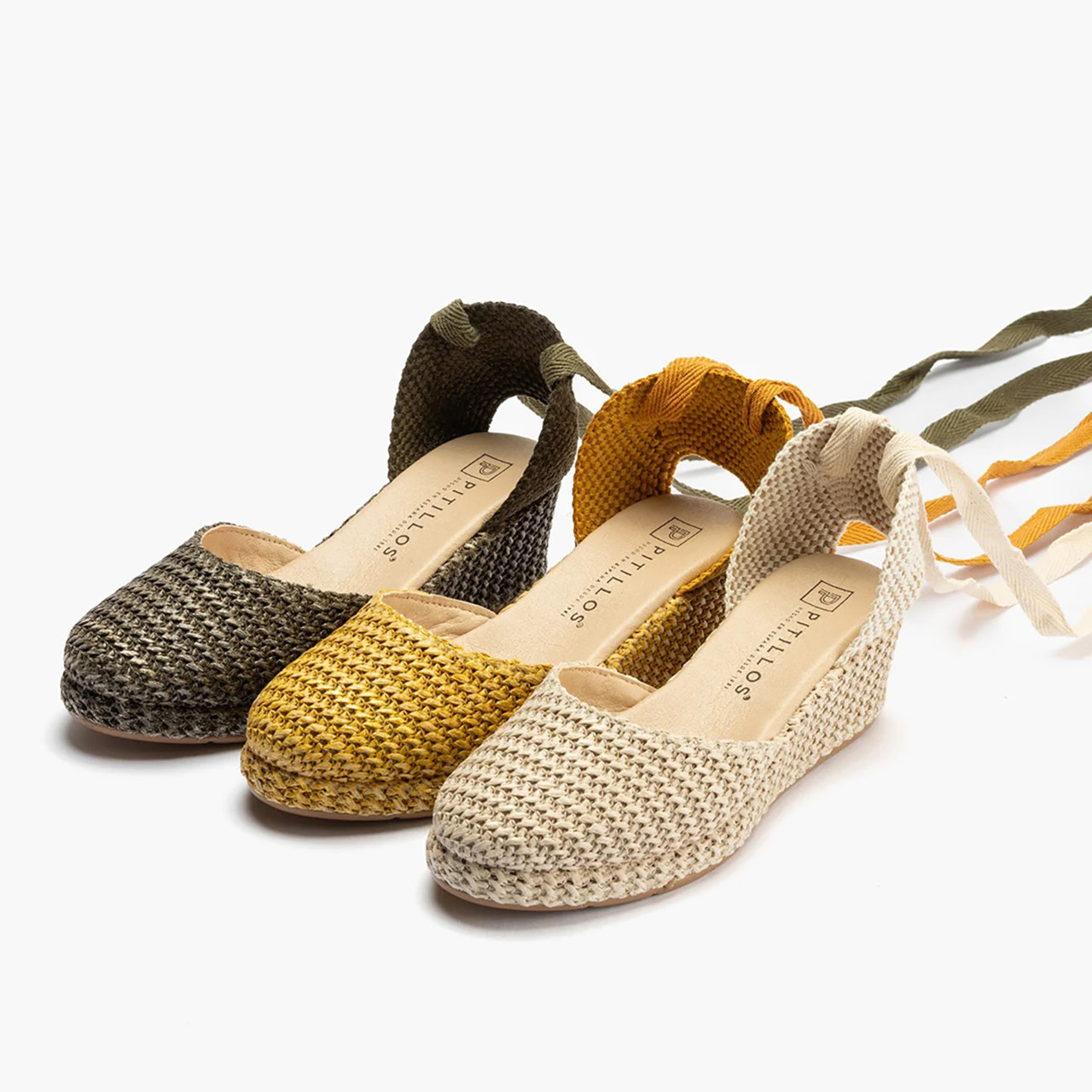
The Spanish brand presents a collection that interprets next season’s trends whilst remaining true to comfort, quality and attention to detail. At the heart of it all is ‘Made in Spain’ craftsmanship.
The Spring–Summer 2027 collection focuses on lightness, soft materials and the Goodyear Reverse construction. Alongside this, Onda: a trainer with an ultra-light, voluminous sole and a multi-layered upper.