


2025: a turning point for Italian digital commerce
According to Netcomm, the past year has led to radical changes in Italian trade, which will inevitably impact 2026 and beyond.
Keep reading...
December 2025

At the 22nd UITIC (International Union of Shoe Industry Technicians) Congress in Shanghai, Assomac presented its new modular and interoperable digital ecosystem.
The digital transformation of the footwear industry can no longer ignore integrated, scalable and data-driven solutions.Footwear 4.0 is an Industry 4.0 platform based on modular architecture, capable of providing cognitive assistance, predictive maintenance and intelligent quality control on a large scale.
The centrality of the Digital Twin guarantees a convergent interface between man, machine and product, paving the way for a truly data-driven, resilient and adaptive factory. Footwear 4.0 is not just a platform, but a modular digital environment designed to make the footwear industry more resilient, efficient and data-driven. Thanks to the integration of predictive maintenance, cognitive assistance and intelligent quality control, each company can customise its own digital transition path, starting from its real needs and arriving at a concrete and sustainable transformation.
Main modules of the platform
1. Smart and Predictive Maintenance
The first module focuses on smart maintenance of footwear machinery. Each machine is equipped with IoT sensors to monitor vibrations, temperatures, pressures and other critical parameters. This data is analysed by artificial intelligence algorithms to predict failures and plan maintenance interventions. All elements are represented within an interactive 3D Digital Twin, accessible via a browser. Users can thus view the status of the machines in real time, receive notifications of anomalies, consult the maintenance history and take targeted action. This digital twin is not just a visual representation, but a dynamic, real-time replica, powered by sensor data collected directly from the machines. The module offers in concrete a predictive notifications before failure, a technical dashboard (OEE, MTBF, machine status), a history of interventions per machine, an operator interface with maintenance instructions in AR, an integration with the quality module (e.g. does an anomaly also produce defects?). Added value is a drastic reduction in unexpected downtime, a planning based on real data rather than a fixed calendar, an improved machine service life, data can also be shared with machine manufacturers for future improvements.
2. Operator Assistance (Cognitive & Physical Integration)
The second module is dedicated to intelligent operator support, both during operation and training. It provides operators with advanced operational and decision-making support thanks to integration with AR/VR devices, digital interfaces and intelligent guidance systems. In particular, it connects to the Digital Twin of the predictive maintenance module: when the latter detects a need for intervention, it automatically sends the operator’s AR smart glasses an interactive checklist with the machine to be reached, the planned operations and instructions superimposed visually on the real machine, so that the operator can go to the machine and follow a visual guide for the safe and correct execution of the activity. Thanks to integration with augmented reality (AR) and virtual reality (VR) devices, the operator receives step-by-step contextual instructions visible on smart glasses, dynamic digital checklists, an immersive training in simulated environments. In addition, data from physical assistance devices (e.g. exoskeletons) can also be integrated to optimise ergonomics and safety.
Specifically, the module provides AR/VR instructions, constantly updated digital checklists, access to manuals and resources, and support from biometric devices. It also reduces errors and accidents, enables faster and more accurate interventions, reduces on-the-job training, and gives junior staff greater autonomy.
3. AI-Powered Quality Assurance
The third module manages automated quality control, integrating artificial vision systems and AI algorithms to identify defects in components or finished products in real time (e.g. incorrect stitching, imprecise cuts, aesthetic defects). Each machine is equipped with sensors or cameras that collect data on the product: this data is analysed and displayed within the Digital Twin, activating a second quality-oriented display mode. Specifically, the module offers automatic defect detection, quality reports by machine/shift, immediate feedback on processes, logging and archiving for audits. It also allows for less reworking and waste, better process control, direct integration with maintenance/training, and support for quality certifications.
Module integration: intelligent interoperability
Although each module can be used independently, the real strength of the platform lies in their integration. A detected quality defect can trigger a predictive analysis of the status of the machine that generated it. Scheduled maintenance work is notified via AR, visually guided and digitally tracked and a recurring operator error may suggest the activation of a specific VR training module. All data is managed by a scalable, secure cloud infrastructure that is accessible from any device and is presented according to the user’s role (operator, supervisor, technology manufacturer). A single interface therefore allows you to monitor the operating status of the machine, view detected defects, access customisable statistical reports and quality KPIs. The continuous feedback logic allows the system to adapt production parameters or signal the need for maintenance/training if defects are recurrent.
According to Netcomm, the past year has led to radical changes in Italian trade, which will inevitably impact 2026 and beyond.
Keep reading...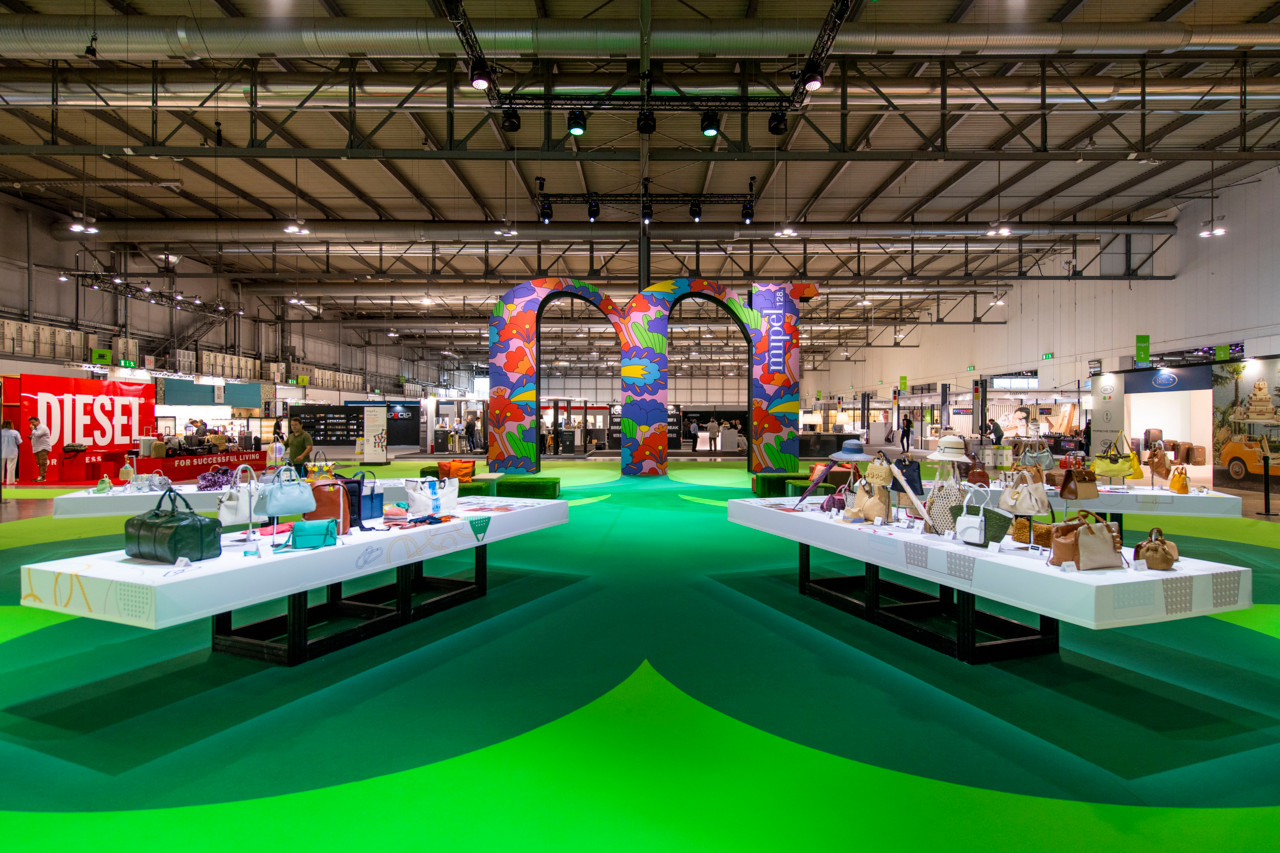
Data from the Confindustria Fashion Accessories Study Centre for Assopellettieri show negative figures for the third quarter of 2025 as well, albeit with a slight improvement compared to the beginning of the year, which will hopefully turn into a recovery in 2026.
Keep reading...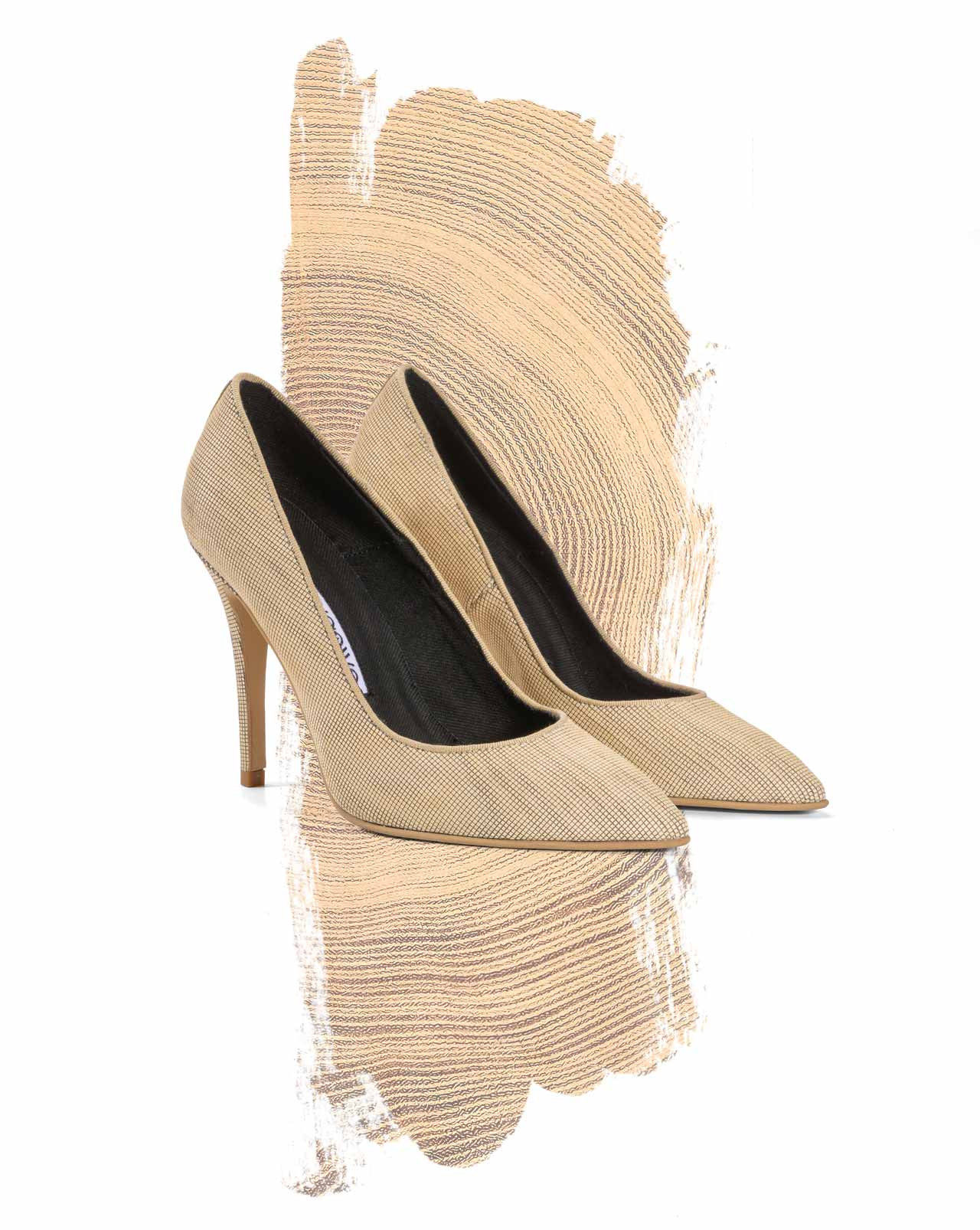
The new frontier of sustainable footwear combines technological innovation and respect for the environment, transforming paper and wood waste into luxury accessories and circular sneakers.
Keep reading...You must login to read this free content
This content requires a subscription to view. Are you already a subscriber? Sign in