


2025: a turning point for Italian digital commerce
According to Netcomm, the past year has led to radical changes in Italian trade, which will inevitably impact 2026 and beyond.
Keep reading...
December 2025
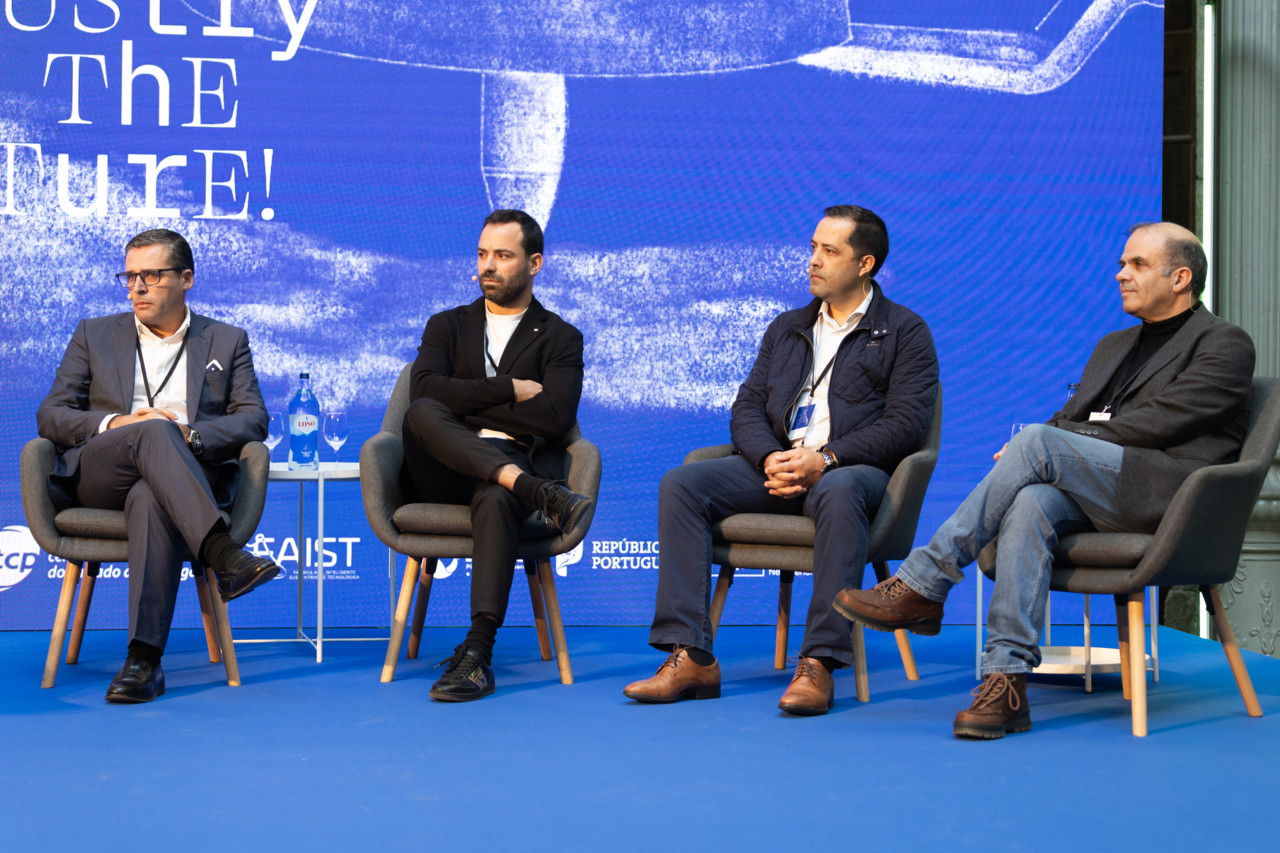
Robotics is not an option but a necessity to remain competitive, attract young people and respond to labour shortages. But the real investment is in reorganisation.
“Creating robots for cars is child’s play compared to creating them for footwear.” This is not a provocation, but the most effective summary of a challenge that the European footwear sector is facing with increasing urgency. During the conference “From Automation to Robotics” promoted by APICCAPS as part of the event “Welcome to the industry of the future”, the debate laid bare an uncomfortable truth: those who do not invest in technology risk no longer being able to produce in Europe. Participants in the round table discussion included Vítor Almeida – Tropimática, Albano Fernandes – AMF, Ricardo Costa – Rodiro, and Ventura Correia – Carité.
CUSTOMISED ROBOTS, NOT PRE-PACKAGED SOLUTIONS
Robotics that is useful in the footwear industry is advanced robotics: it must continuously adapt to products that vary greatly and to collections that change at least twice a year. Robots must be adapted to the reality of the factory, and internal technicians are needed who are capable of constantly reprogramming them. Leather is never the same as it was the day before.
PEOPLE, NOT REPLACEMENTS
An apparent paradox: despite automation, the need for workers is growing. The key lies in balance. Robots must be a complement, freeing people up for the stages with greater added value. Portuguese companies that have already adopted a good level of automation have found that robotisation requires more people, who are more efficient and less worn out. But beware: you need to invest in professionals who are prepared for the challenge of changing processes.
THE REAL COST? THE TRANSITION
The biggest cost of automation is not the machines, but the reorganisation required to make them work. Thirty years ago, technology was expensive and complex; today it is no longer so. But every factory has different needs, and the introduction of automated processes requires careful planning. You also need to be prepared for failure, because something will go wrong and you will have to change course.
A MATTER OF SURVIVAL
A qualified young person is no longer willing to brush glue eight hours a day. That is the reality. If factories do not become more technological in order to attract young talent, they will not succeed. Portugal, and Europe, will continue to be successful when they manage to reconcile automation and know-how. New professions must emerge: programming, CAD, CAM. Anyone who thinks that a robot automatically means higher quality, higher quantity and fewer people is mistaken.
According to Netcomm, the past year has led to radical changes in Italian trade, which will inevitably impact 2026 and beyond.
Keep reading...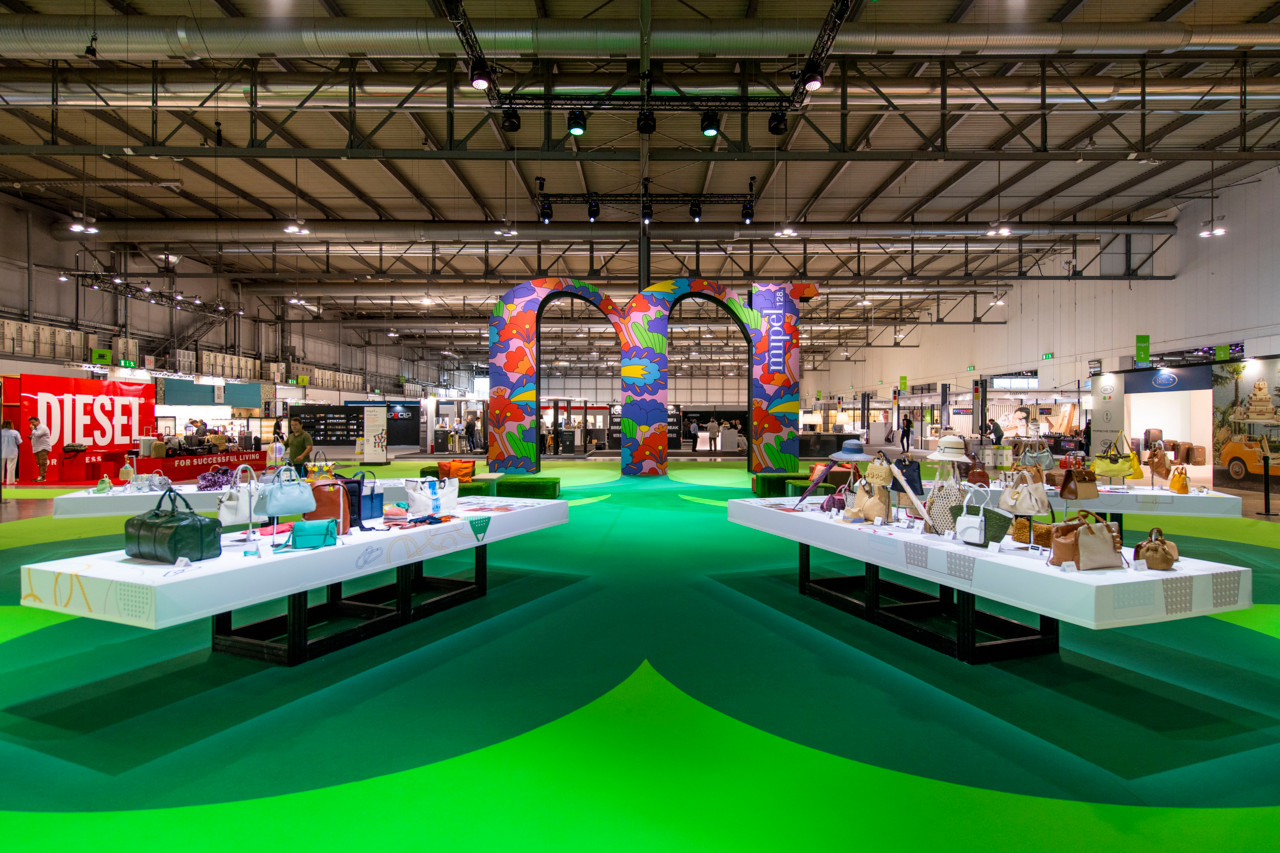
Data from the Confindustria Fashion Accessories Study Centre for Assopellettieri show negative figures for the third quarter of 2025 as well, albeit with a slight improvement compared to the beginning of the year, which will hopefully turn into a recovery in 2026.
Keep reading...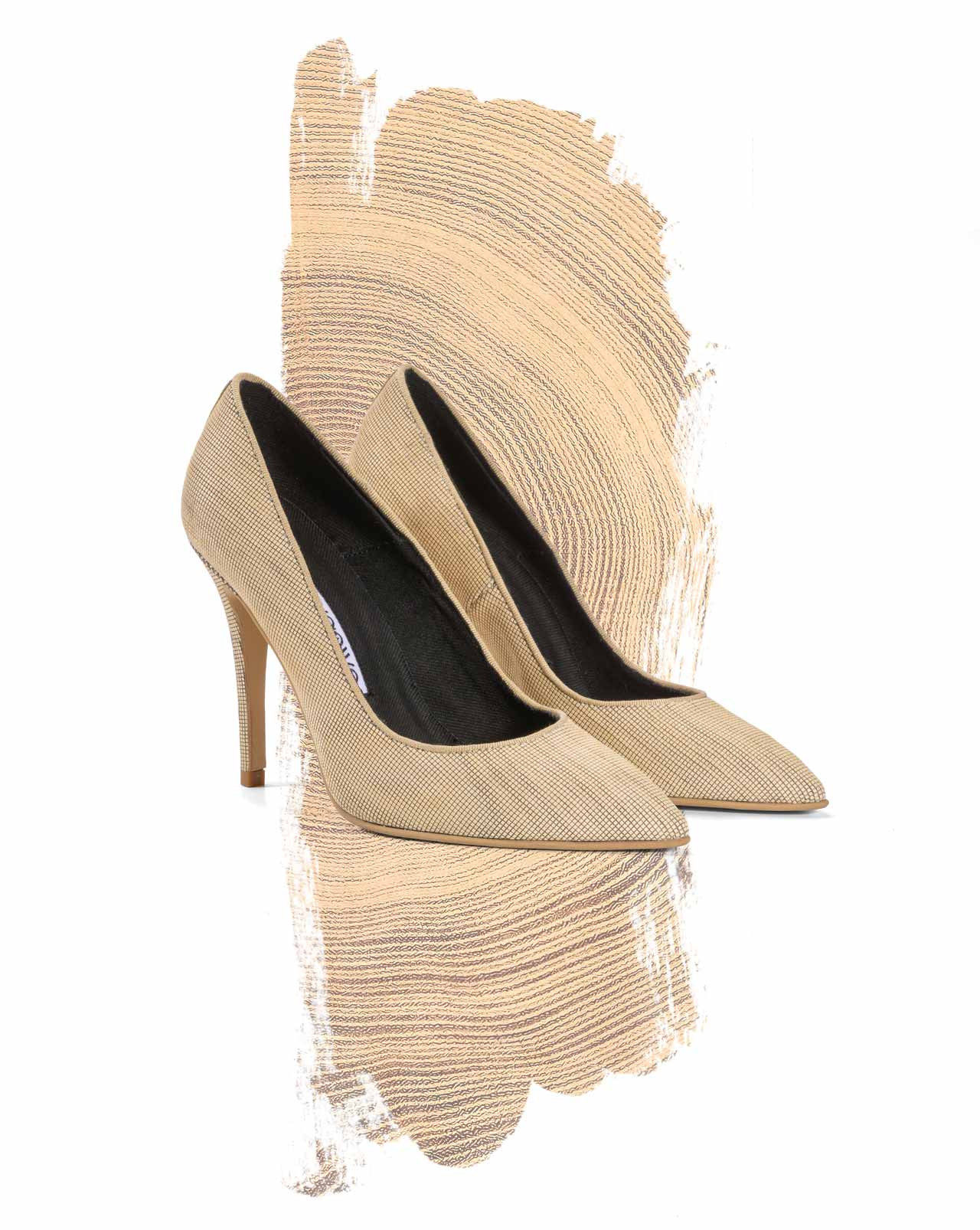
The new frontier of sustainable footwear combines technological innovation and respect for the environment, transforming paper and wood waste into luxury accessories and circular sneakers.
Keep reading...You must login to read this free content
This content requires a subscription to view. Are you already a subscriber? Sign in