


2025: a turning point for Italian digital commerce
According to Netcomm, the past year has led to radical changes in Italian trade, which will inevitably impact 2026 and beyond.
Keep reading...
December 2024

Preliminary figures for 2024 show a generalised crisis in the footwear, leather goods and tannery machinery and technology sector, which had a strong impact on the domestic market, without sparing exports.
The difficulties of the Italian leather-footwear supply chain, combined with a complex international economic scenario, have had significant repercussions on the footwear, leather goods and tanning machinery sector. This is the picture painted by Assomac data, the Confindustria association representing Italian companies in the sector, which show a generalised crisis. A crisis that, in the first nine months of 2024, has strongly impacted the domestic market, without sparing exports (-6.77% compared to the same period last year).
After the resilience recorded in 2023, 2024 looks like a year of widespread difficulties. Few companies expect to close the year with higher orders than the previous year, while more than 78% of the companies in the sector estimate a drop in orders. Numbers that underline the urgency of facing structural challenges and adapting to a market in profound transformation.
The drop in exports was particularly significant for footwear and leather goods machinery, which fell by 22.45%, influenced by the results of exports to France (-36.21%) and Spain (-69.25%), key markets in terms of volume. On the other hand, the decrease was more contained for the spare parts sector (-3.99%), where the drop in demand in Europe was partly offset by the growth in Asia (+6.33%) and America (+1.71%). The trend for tannery machinery remained negative, in line with the sector; weak signs of resilience came from the African and Asian markets.
“The current situation presents significant challenges, but our industry has shown great resilience. We remain competitive thanks to the quality and innovation of our technologies,’ commented Mauro Bergozza, President of Assomac. ‘However, to maintain and expand this competitiveness, it is crucial to accelerate investments in advanced technology, sustainability and Industry 5.0. In a globalised context, the integration of technological innovation and environmental responsibility is what will allow us to continue to be a reference point in the sector.”
It is precisely these investments in technology, combined with the expansion of certain emerging markets, that could be the key to returning to growth in 2025. Indeed, the outlook points to a possible stabilisation of the sector, with a recovery linked to the ability of companies to respond to the demands for more sustainable production and to collaboration with institutions to fully utilise the funds dedicated to Industry 5.0. The focus on the development of advanced technologies and the strengthening of international partnerships will be crucial to regaining ground in more mature markets and to consolidate Italy’s presence at global level.
According to Netcomm, the past year has led to radical changes in Italian trade, which will inevitably impact 2026 and beyond.
Keep reading...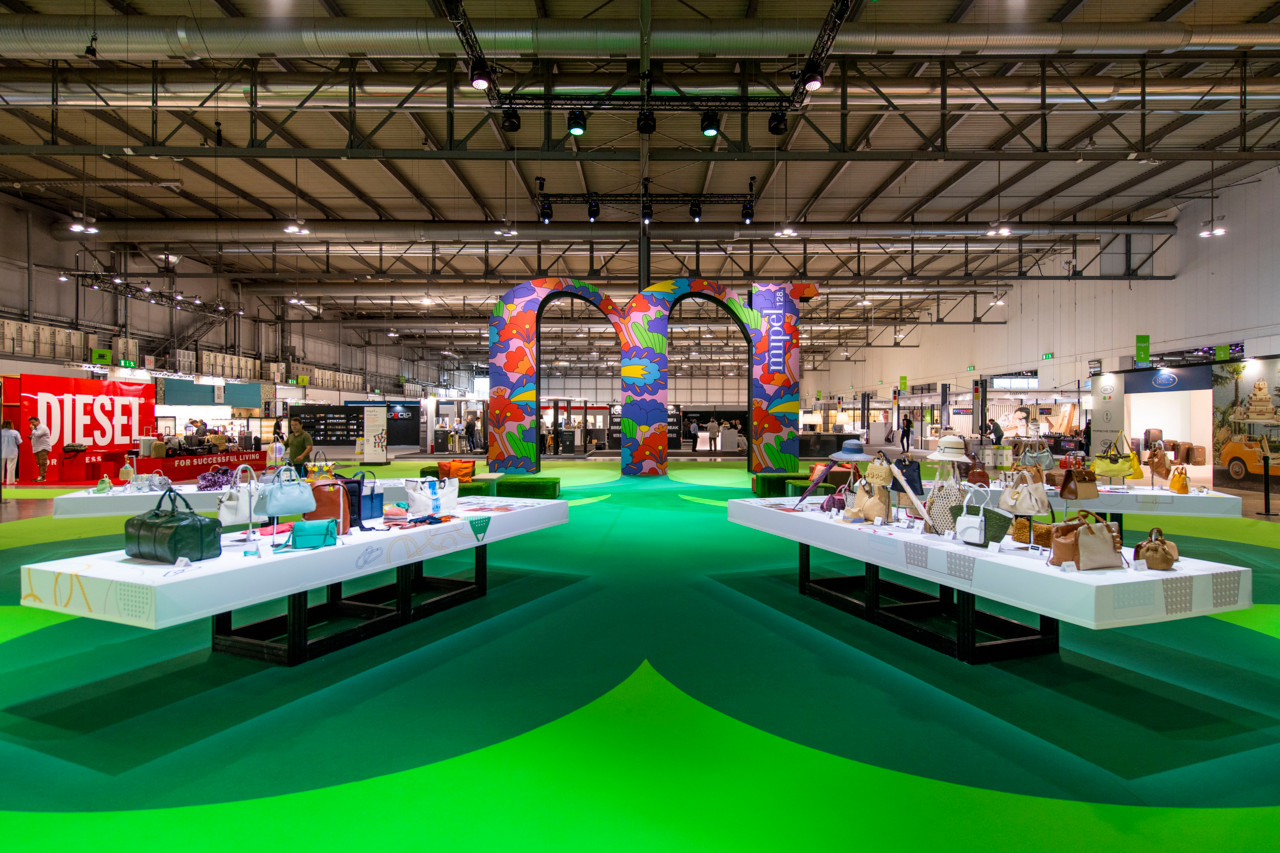
Data from the Confindustria Fashion Accessories Study Centre for Assopellettieri show negative figures for the third quarter of 2025 as well, albeit with a slight improvement compared to the beginning of the year, which will hopefully turn into a recovery in 2026.
Keep reading...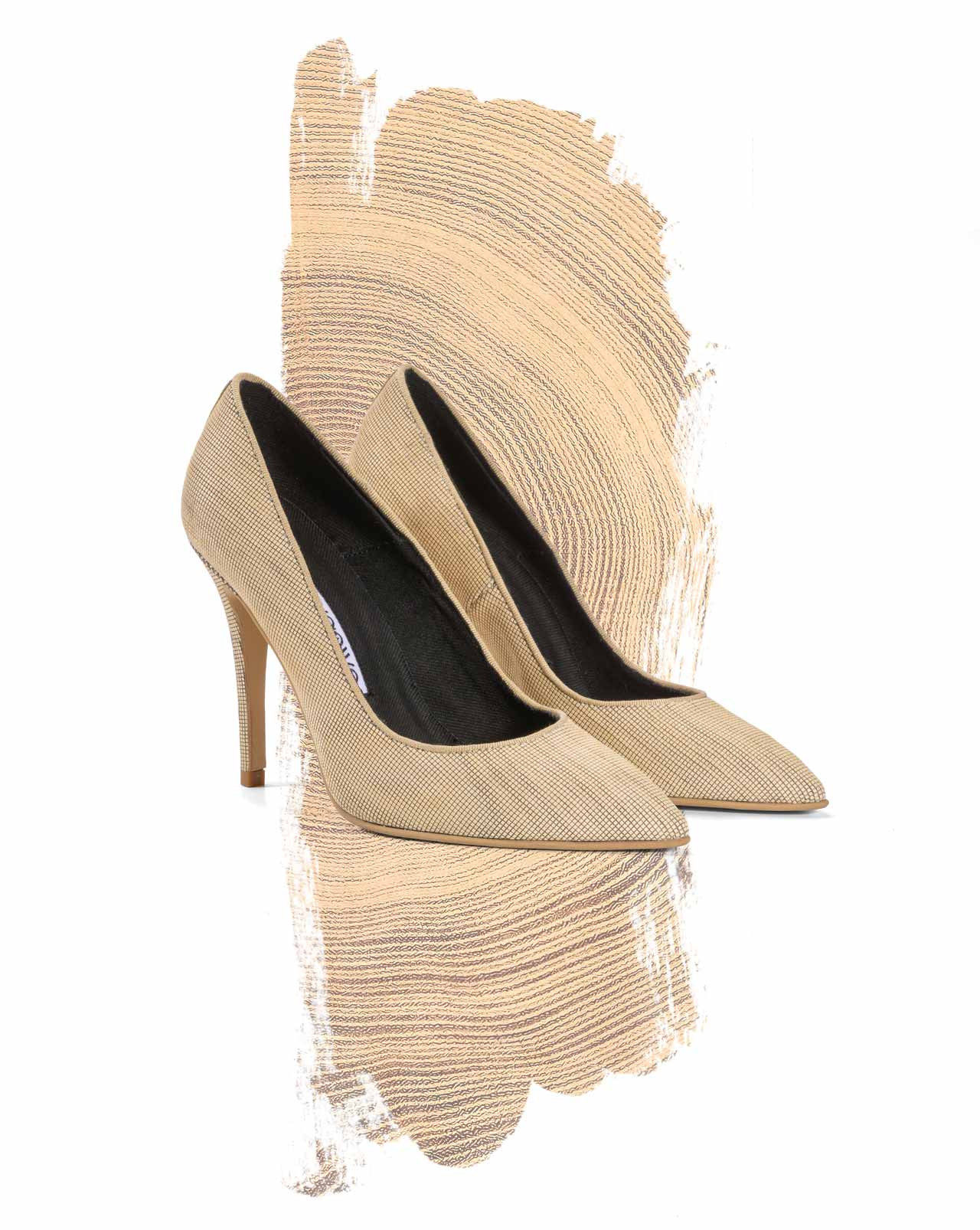
The new frontier of sustainable footwear combines technological innovation and respect for the environment, transforming paper and wood waste into luxury accessories and circular sneakers.
Keep reading...You must login to read this free content
This content requires a subscription to view. Are you already a subscriber? Sign in