Changli Group: a model of advanced, emissions-conscious logistics in China
Flash news
November 2026
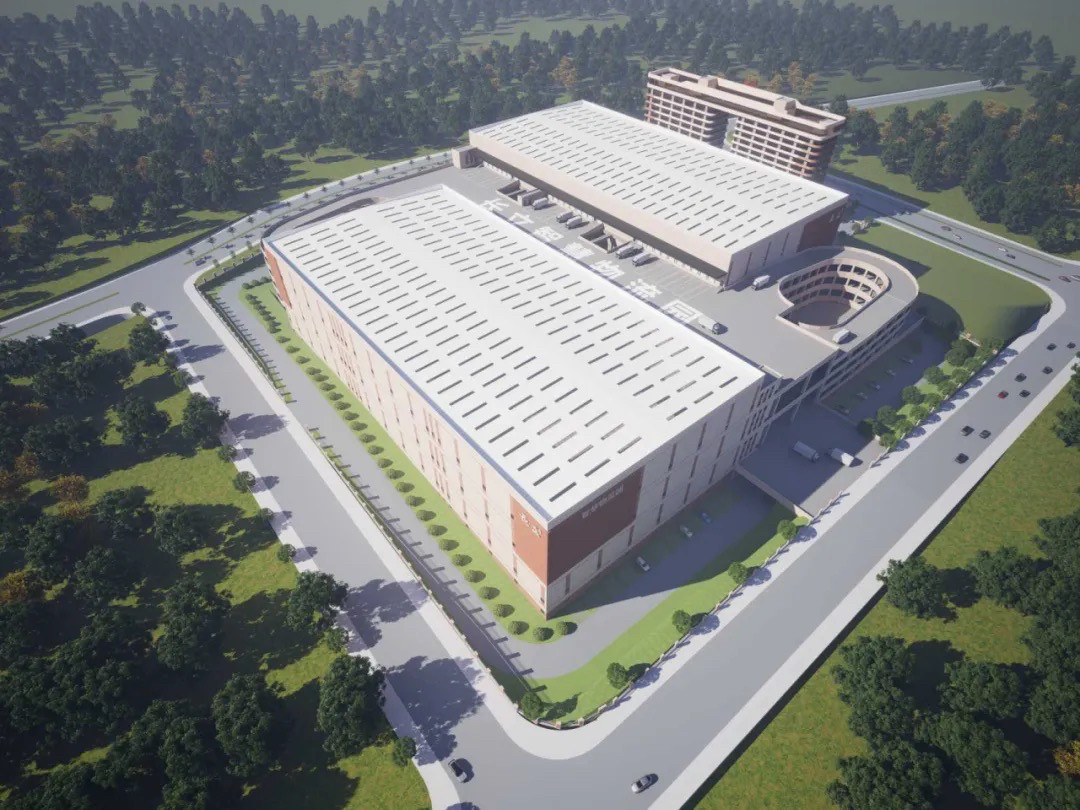
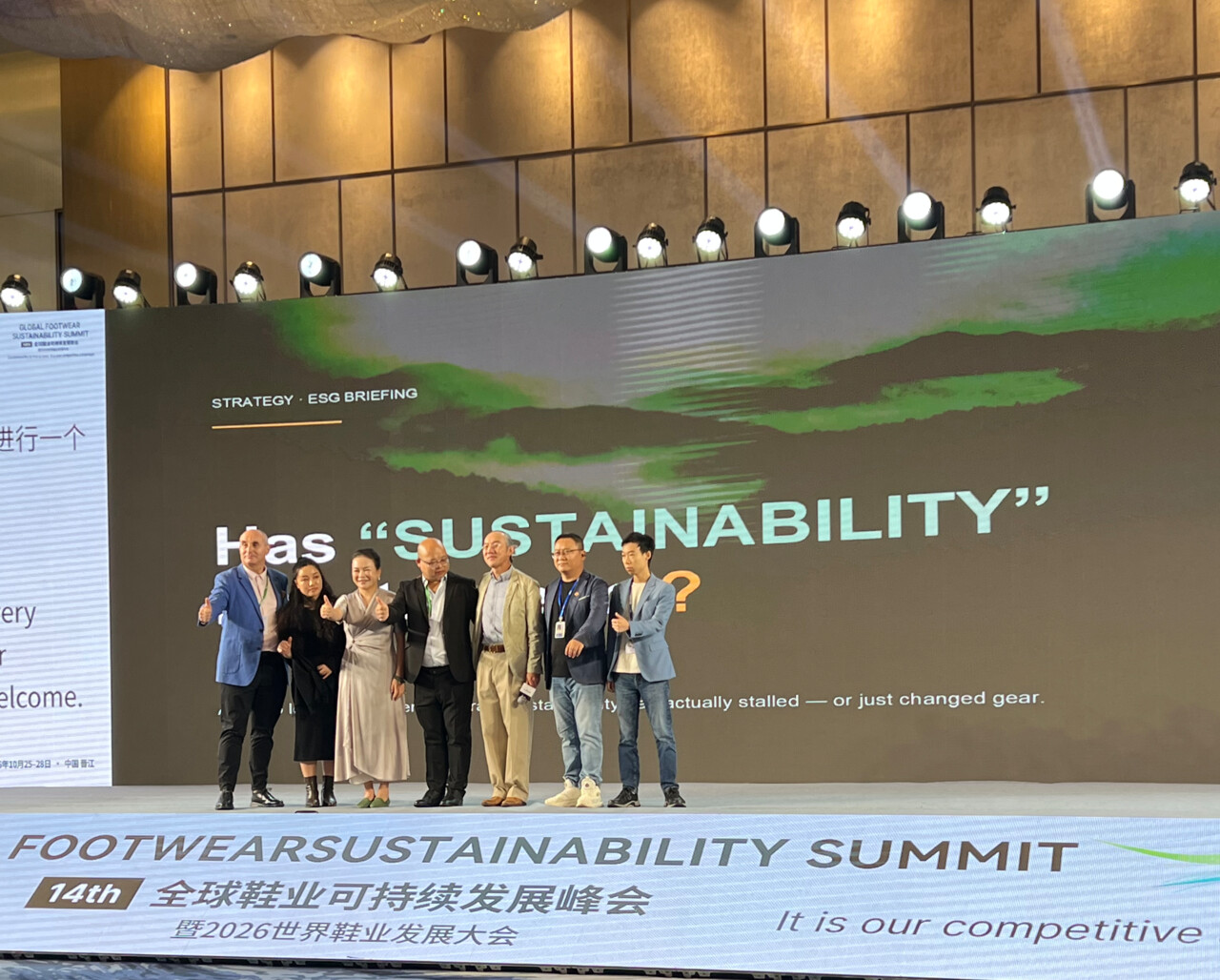
In Jinjiang, during the 14th Global Footwear Sustainability Summit, Changli Group unveiled its 200,000-square-metre logistics complex, due to become operational in 2027, and signed an agreement with SF International to measure the emissions of every footwear consignment.
For years, discussions about sustainable footwear have focused solely on the production stage: adhesives, materials, machine energy consumption and so on. What happened afterwards, once the finished shoe left the factory, remained outside the scope of consideration. This was noted by one of the guests who visited the construction site of the Changli Smart Logistics Park in Jinjiang on 25 October 2026, during the 14th Global Footwear Sustainability Summit (GFSS): until recently, sustainability was sought within the factory, whereas it is logistics that is the key area for reducing emissions. Among the visitors were New Balance, Arsutoria School, Textile ETP and Fashion Matrix.
Jinjiang, in Fujian province, produces over a billion pairs of sports shoes every year: around one in five of those produced worldwide are made here. The footwear and clothing district has a production value exceeding 300 billion renminbi (around 45 billion dollars), and within a 50-kilometre radius there are research facilities, sole manufacturers, upper manufacturers, testing laboratories and sampling facilities. Yet, even within such an efficient system, warehousing, distribution, international shipping and returns have long remained a blind spot in carbon footprint calculations.
Changli Group aims to fill that gap with an investment of around 680 million renminbi (approximately 102 million dollars). The park, recognised as a key project by Fujian Province and linked to the Quanzhou Integrated Free Trade Zone, will cover approximately 200,000 square metres of built-up area, of which 160,000 will be dedicated to dual-ramp warehouses featuring AI-managed sorting, RFID traceability, bonded warehouses and customs clearance. It is scheduled to become operational in 2027. The aim is to bring together research, production, storage, customs declarations and global distribution, with services tailored to the specific needs of the footwear industry: delivery of finished products, centralised procurement of materials for factories, rapid dispatch of samples and returns management, including cleaning, repair and resale.
Why should a Chinese group be so concerned about transport-related CO₂ emissions? The answer was provided by Lin Meirong, chair of Changli Group, in her opening address at the summit: between China’s dual carbon targets (emissions reduction by 2030 and net-zero by 2060), the European CBAM (Carbon Border Adjustment Mechanism) (which imposes a tax on CO₂ emissions embedded in goods imported from non-EU countries), the requirement for brands to report Scope 3 emissions, and the new circular economy regulations, the global footwear industry is shifting from competition based on cost to competition based on carbon efficiency. In other words, exporters will have to demonstrate how much pollution is generated by the journey their shoes take, and not just by their manufacture.
To translate this into practical measures, on 26 October 2026 Changli signed a strategic collaboration agreement with SF International, the international division of the SF Express freight group. The most interesting aspect is the data: SF’s Fenghe platform calculates emissions for every single shipment, using a method verified in accordance with the ISO 14083 standard and the GLEC Framework 3.0. The agreement also provides for electric vehicles for short-haul routes, reusable packaging, solar power management and integration with the courier’s network, which comprises 110 owned cargo aircraft, 152 operational routes and coverage across more than 80 countries.
Pending the practical trial scheduled for 2027, current estimates suggest that goods will reach Europe within 72 hours, with logistics costs reduced by over 20 per cent. But it is the underlying rationale that deserves attention. Changli aims to ensure that every order dispatched from Jinjiang is accompanied by traceable and verifiable environmental credentials. If logistics becomes the yardstick by which a shoe’s sustainability is measured, every manufacturer worldwide should take note of and be inspired by this business model.
At the 14th Global Footwear Sustainability Summit, it became clear that sustainability is measured in terms of costs, industrial scale, data and the ability to collaborate. Materials, digital technology and the dialogue between Europe and Asia were among the key themes.
At the Green Economy General Assembly in Rimini, the transition was described as a structural necessity worldwide and as a process that remains challenging in Italy. The Forum for Good Communication discussed how to report on it without distorting the facts.
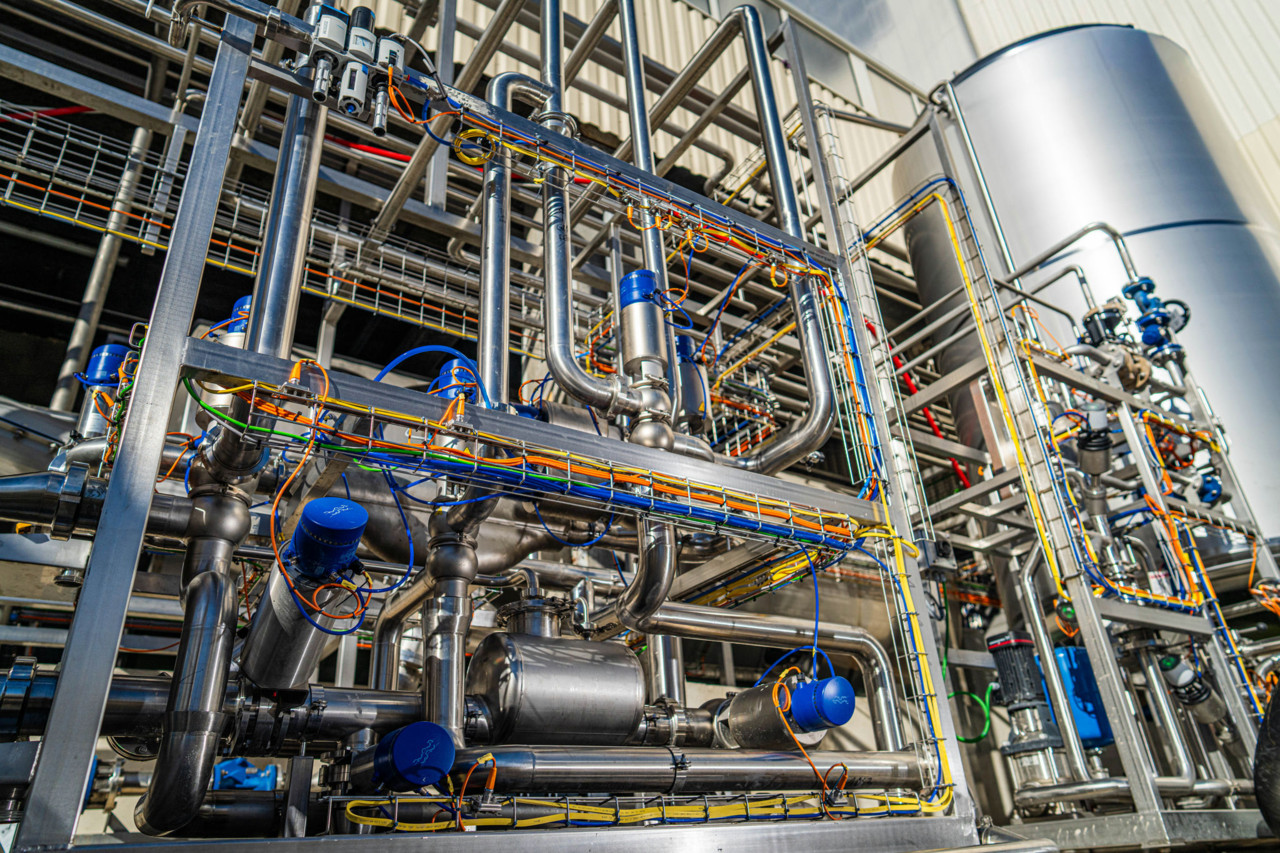
Danone, Michelin and four other partners have launched an open platform in Clermont-Ferrand, worth over 20 million euros, to scale up fermentation processes to industrial levels; the platform is also open to external companies and start-ups.