The green economy: Italy caught between progress and stagnation
Flash news
November 2026
At the Green Economy General Assembly in Rimini, the transition was described as a structural necessity worldwide and as a process that remains challenging in Italy. The Forum for Good Communication discussed how to report on it without distorting the facts.
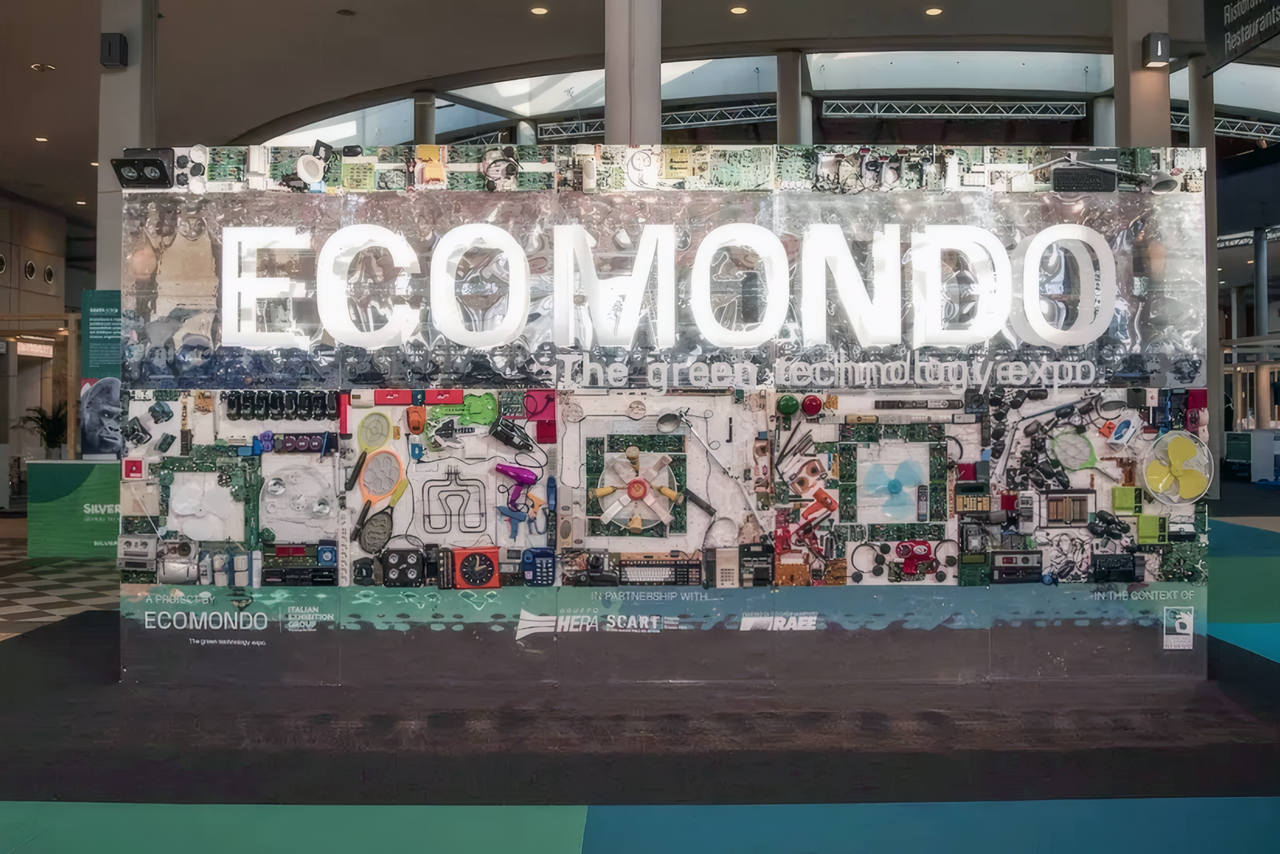
When a report signed by five United Nations agencies and a survey of Italian citizens and businesses end up in the same document, the result risks resembling a medical record with two different diagnoses. This is what happened in Rimini on 3 November 2026, when the 15th edition of the Green Economy General Assembly opened, organised by the Foundation for Sustainable Development as part of Ecomondo, in collaboration with the Ministry of the Environment and Energy Security (MASE) and under the patronage of the European Commission and the Ministry of Enterprise and Made in Italy (MIMIT).
The first diagnosis comes from the international scene. Edo Ronchi, president of the Foundation, opened his introductory address by citing the 2025 Annual Report ‘Partnership for Action on Green Economy’, compiled by five UN agencies, according to which the ecological transition has become a structural necessity for the socio-economic stability of many countries. We are no longer talking about a virtuous choice or a cost to be borne out of a sense of responsibility, but rather a necessary condition for economies and societies to remain viable.
The second assessment concerns Italy, and is less reassuring. Ronchi described the transition as being, on the whole, in a critical state, with only a few limited positive signs. Yet he also pointed out that an IPSOS survey shows growing support for the green economy among citizens and businesses. How do these two things fit together? One possible interpretation is that the will is there, whilst the system as a whole is struggling to translate it into measurable results. The demand for change is growing, but the pace of change is not. The following day, the international session, organised in collaboration with Italy for Climate, shifted the focus to geopolitics. Raimondo Orsini, director of the Foundation, observed that in a world marked by wars, social inequalities and geopolitical tensions, the green economy offers a concrete solution for two reasons: it reduces the risks associated with the climate crisis and decreases dependence on imports of fossil fuels and raw materials, which are often the very root cause of those conflicts. Those working in manufacturing know this: any surge in the price of energy or an imported material inevitably becomes, sooner or later, a cost passed on to the finished product. One problem remains that no single report can solve on its own: ensuring that decision-makers, buyers and investors understand all this. On 4 November 2026, this issue was addressed at the fifth edition of the Forum della Buona Comunicazione, organised by Ecomondo’s Technical and Scientific Committee in collaboration with the Italian Public Relations Federation (FERPI), with the participation of MASE and the Order of Journalists (OdG) of Emilia-Romagna. The title, ‘Communication on a Knife-Edge’, describes the position of those reporting on the transition, caught between environmental urgency and social stability. Journalists and business representatives discussed the ethical responsibility of communicators. The stated aim is to make the complexity of the ecological transition understandable without distorting it, to counter misinformation and to foster a dialogue capable of building trust through relationships – that is, over time and through direct engagement. Reporting on a ‘critical’ transition whilst citizens and businesses are pushing to accelerate it means avoiding both superficial enthusiasm and constant alarm. The General Assembly therefore highlighted three key points: globally, the transition is now a structural necessity; in Italy, it is proceeding in a critical manner despite growing demand; and reducing dependence on imported energy and raw materials has become a matter of security as well as the environment.
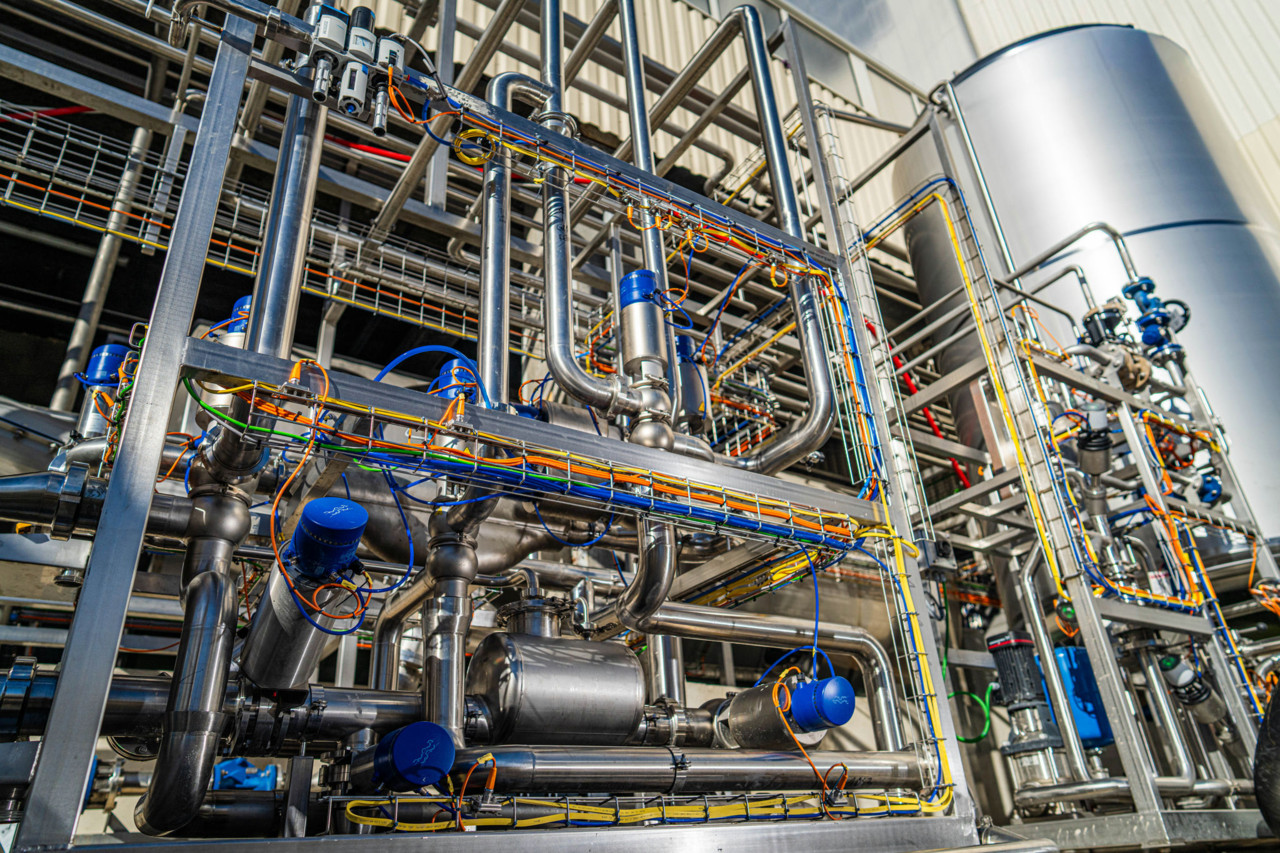
Danone, Michelin and four other partners have launched an open platform in Clermont-Ferrand, worth over 20 million euros, to scale up fermentation processes to industrial levels; the platform is also open to external companies and start-ups.
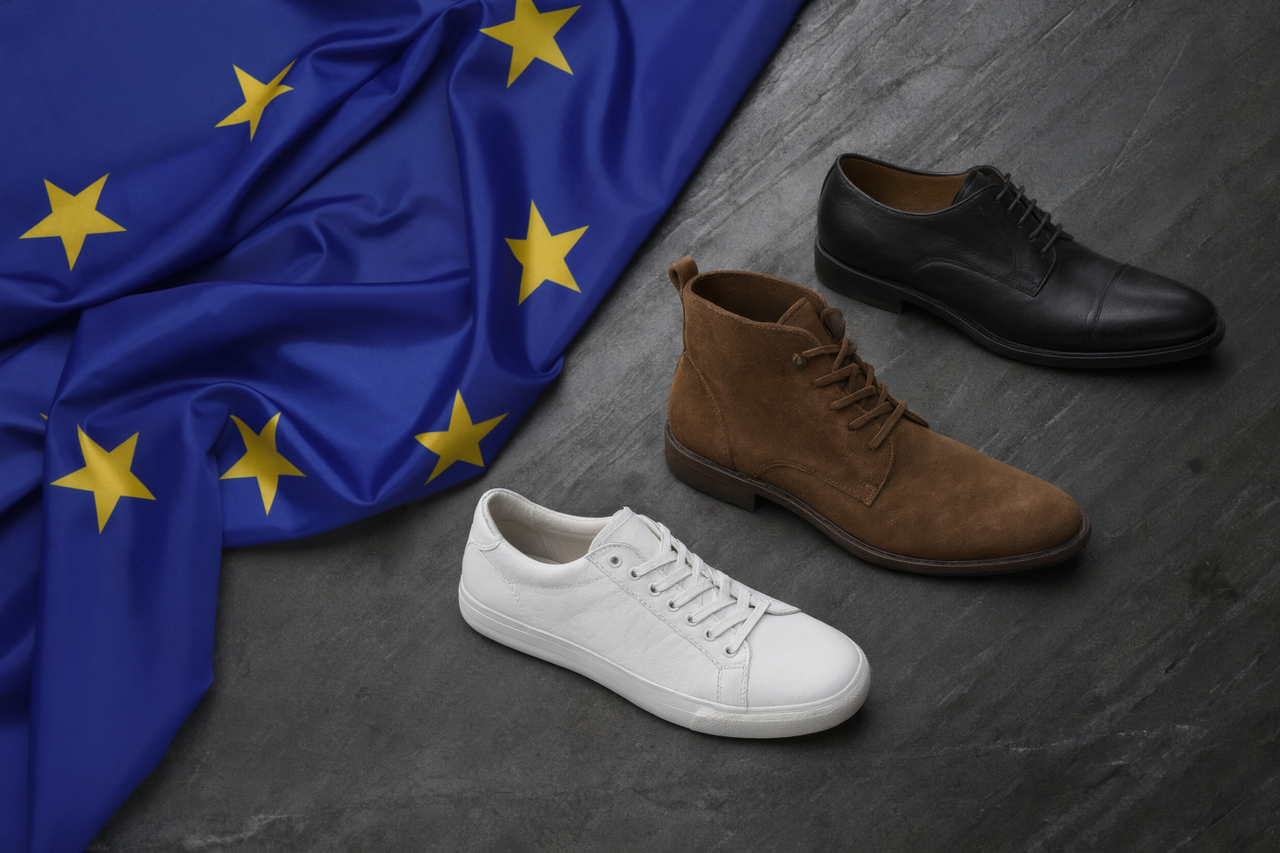
A mystery shopping study coordinated by the CEC on footwear purchased from SHEIN, TEMU and AliExpress in seven countries: 36 per cent do not comply with REACH, whilst 80 per cent of safety shoes fail EN ISO tests.
Around 500 participants, including brands, supply chain representatives, associations, universities and international organisations, came together to discuss how sustainability and digital technology can support the evolution of the fashion system.