

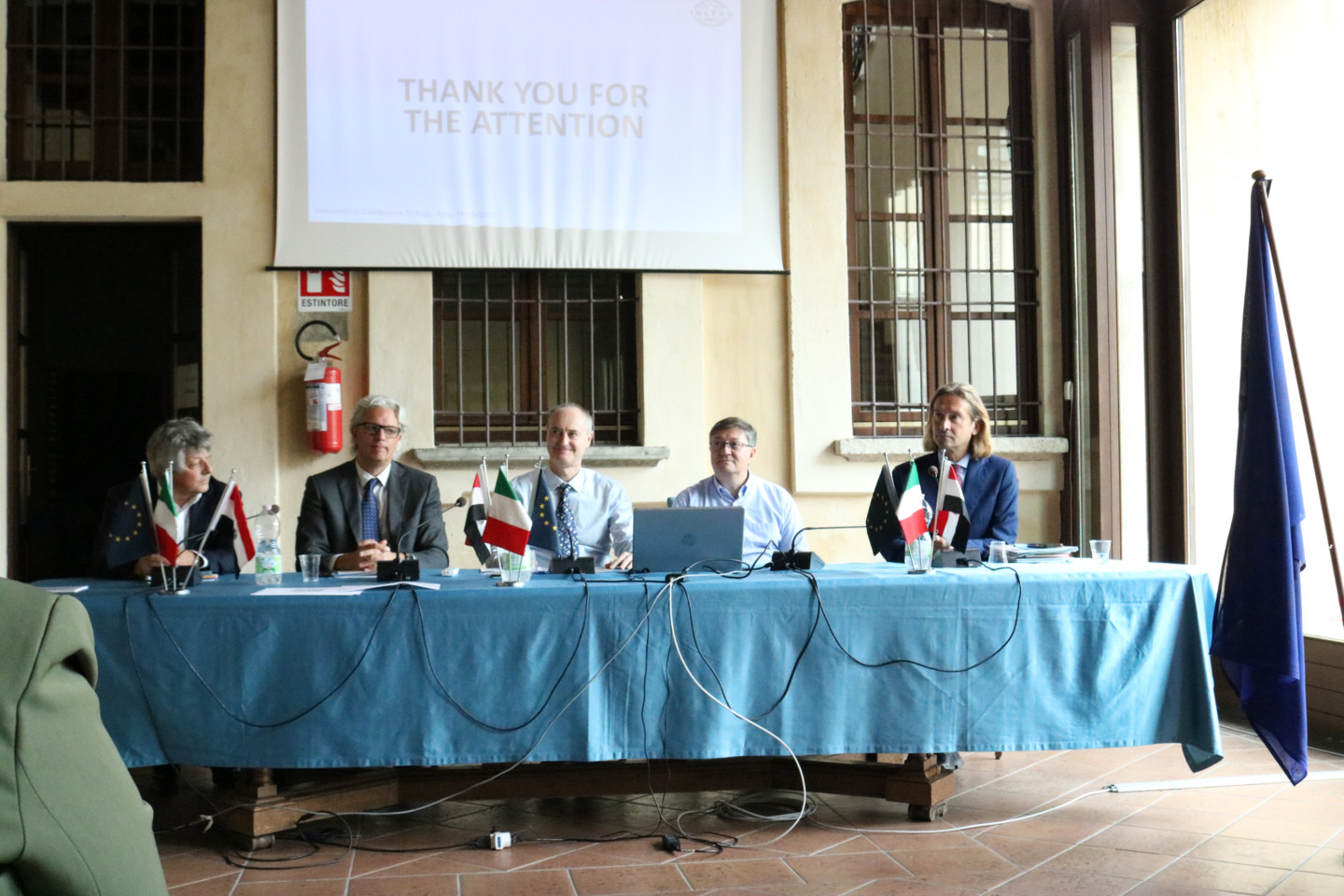
Robbiki Leather City: the Egyptian mission concludes in Turbigo
A Conference and the Signing of a “Memorandum of Understanding” to strengthen collaboration between Italy and Egypt in the leather industry
Keep reading...
January 2026
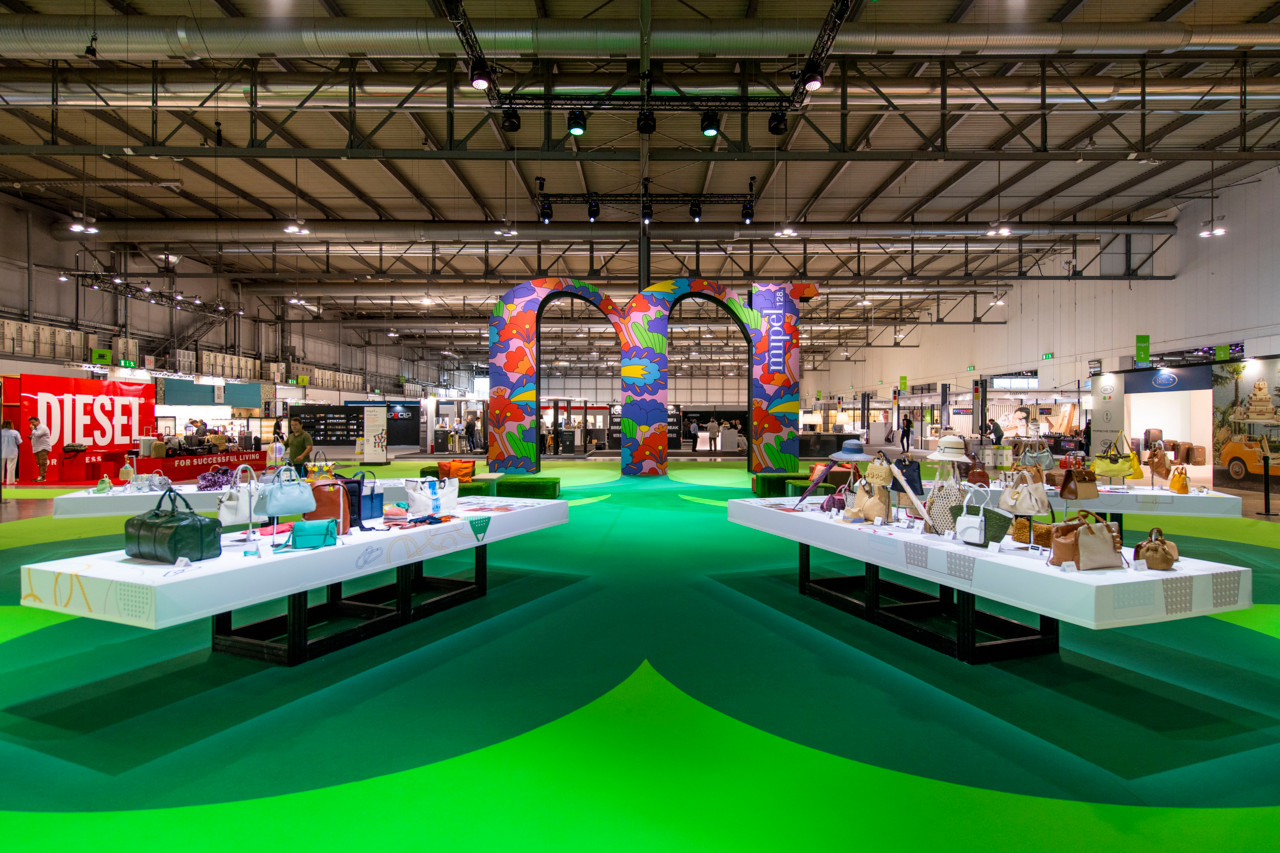
Data from the Confindustria Fashion Accessories Study Centre for Assopellettieri show negative figures for the third quarter of 2025 as well, albeit with a slight improvement compared to the beginning of the year, which will hopefully turn into a recovery in 2026.
After the decidedly unfavourable results of 2024, 2025 also closes with negative signs in the main variables, albeit with less marked declines due to the slowdown recorded in the second half of the year. The usual sample survey conducted by the Confindustria Accessori Moda Research Centre among companies associated with Assopellettieri shows, in fact, an average contraction in turnover of around -2.2% in the third quarter compared to the same period in 2024. This trend is undoubtedly less penalising than those of the first two quarters of the year (-7.7% and -6.0% respectively) . The cumulative figure for the first nine months shows a -5.3% decline in turnover, which initial forecasts for the end of the year place at around €11.4 billion for the entire sector, down -4.5% on 2024 (almost €540 million less).
EXPORTS
Starting with exports, which accounted for over 85% of the sector’s turnover in 2024, in the first eight months of the year (the latest period for which disaggregated data is available at the time of writing), leather goods worth €6.34 billion were sold abroad (down 7.6% on the same period in 2024) for 42.3 million kg (down 5.2%). As usual, these figures include both cross-border sales of goods manufactured in Italy and the pure marketing of previously imported items.
The average price per kg of exported goods stood at €149.85 (-2.5%), continuing the decline already seen in 2024, which indirectly shows how even products in the higher price ranges are suffering from the current economic situation. Preliminary figures for September exports show an increase in value of just over 3% for leather goods compared to the same month in 2024, with a cumulative figure for the first nine months of around -6.5%, an improvement of one percentage point compared to the first eight months.
An examination of destinations confirms the less penalising trend of EU markets (-2.7% in value and -4.2% in KG) compared to non-EU markets, which instead show declines of around -10% in value (with -7.2% in KG) and, above all, are still significantly below (-23.3% in value) of 2019 levels.
Among EU partners, Germany stands out for its dynamism (+15.5%), ranking fifth in terms of value, while France (the largest market, whose figures also include production flows from Italian leather districts for French luxury brands) appears to be struggling (-3.2% compared to January-August 2024). The other main EU members show more negative performances: while Spain limits its losses to -5.9%, for Poland, the Netherlands, Austria, Greece and Romania, i.e. the others in the top 25, the declines exceed -10% in value.
Even outside the EU, trends are rather mixed. Double-digit increases in exports were seen in the Middle East (+13.2% overall, thanks to the brilliant results achieved in the United Arab Emirates, +19.4%, and Qatar, +35.4%) and Turkey (+17.5%), despite the devaluation of the lira.
The trend in the US has been positive, at least so far, with a 4% increase in value in the first eight months of the year (with no change in KG).
The Far East and Russia, on the other hand, were the markets that suffered the most. The United Kingdom (-13.6%), Canada (-14%) and Australia (-9.4%) also recorded negative growth. In a nutshell, therefore, the picture is one in which unfavourable trends clearly prevail among the main outlet markets, both within and outside the EU.
IMPORTS
As regards imports, after the decline recorded in 2024 (-7.7% in value compared to 2023, according to data recently revised by ISTAT), in 2025, inflows began to grow again, recording +4.1% in value and +15.2% in KG in the first 8 months, with a decrease in average prices per KG of -9.6%. Goods worth €2.42 billion entered Italy (corresponding to 109.3 million kg, 14.4 million more than in the same period of the previous year, of which only 12% were made of leather).
China (+3.3% in value and +8% in kg) remained the leading supplier: in terms of quantity (kg), it accounts for over 55% of total imports. The average price of goods from China (€11.19 per kg) is one of the lowest among the main suppliers (surpassed only by Vietnam: €7.47).
An analysis of the list by origin shows a continuation of the strong growth trend in Spain, already evident in 2024, which could be explained by the logistical choices of some large distributors or e-commerce platforms. As a result of export and import dynamics, the sector’s trade balance, while remaining largely in surplus for the first eight months at €3.92 billion, fell by 13.5% compared to January-August 2024.
DOMESTIC CONSUMPTION
As regards domestic consumption, with the exception of the positive contribution made in 2025 by foreign tourism – which recorded increases in arrivals and overall spending of around +4% and +5% respectively in the first nine months, according to Bank of Italy figures – there are few positive signs in what has been a disappointing scenario for some time now.
Once again, Italians’ purchasing decisions have been marked by caution: the ISTAT cumulative index relating to the value of retail sales in Italy of leather goods and footwear shows a -2.2% decline in the first nine months compared to the same period in 2024, increasing the gap with 2019 levels to -4.5% (already largely unsatisfactory). After a subdued first quarter (which closed at -4.4%) and a virtually flat second quarter (-0.3%), the third quarter saw a further decline (-2.4%, with a marked weakness in September, -5.8% year-on-year). Not surprisingly, when asked about their company’s performance on the domestic market in the first nine months of the year, a significant 38% of leather goods manufacturers reported worse results than on foreign markets.
EMPLOYMENT
The prolonged unfavourable phase has penalised employment dynamics: in the first nine months of the year, the sector’s workforce showed a negative balance of -1,346 employees, down 2.8% compared to the final figures for 2024, with a simultaneous decrease in the number of active companies, which fell by 110 (-2.4%). The number of hours of authorised wage supplementation in the leather supply chain increased by +2.5%: despite the slowdown in the second and third quarters, the use of wage supplementation remains high (26.7 million hours in the first nine months, more than four and a half times the corresponding levels in 2019); the trend varied between districts (with a new peak in Tuscany, +57%) .
A Conference and the Signing of a “Memorandum of Understanding” to strengthen collaboration between Italy and Egypt in the leather industry
Keep reading...
From 13 to 15 September 2026, in Hall 5 at Fiera Milano Rho, the M&M – The Factory & Academy Hub builds a luggage tag, a sneaker and a bag live. Almost 30 material and technology companies involved, and an educational programme developed by Arsutoria.
Keep reading...
At the helm of Riva del Garda Fierecongressi since 2007, he propelled the fairs beyond national borders. A tribute to a leader who foresaw the future by looking back.
Keep reading...You must login to read this free content
This content requires a subscription to view. Are you already a subscriber? Sign in