

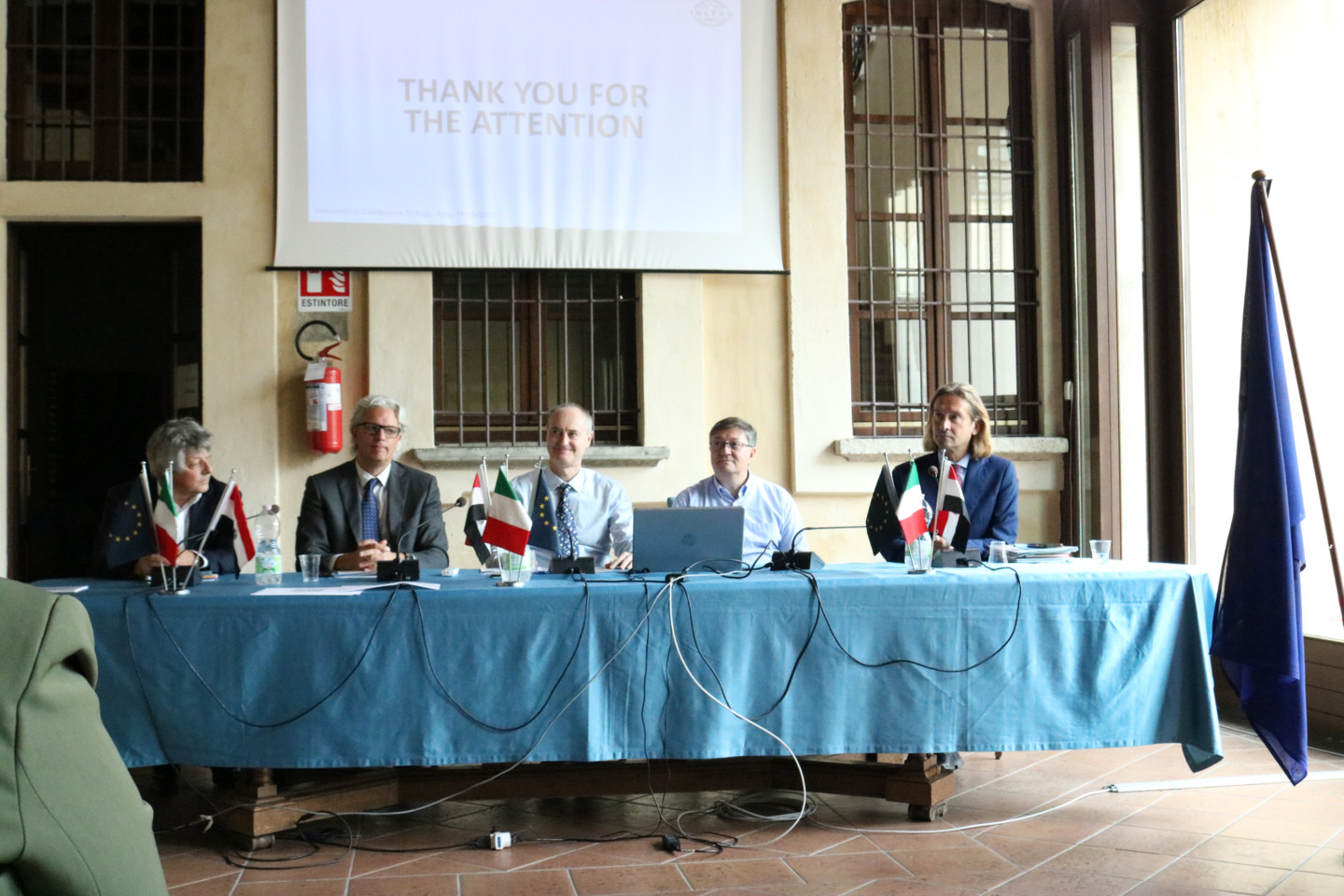
Robbiki Leather City: the Egyptian mission concludes in Turbigo
A Conference and the Signing of a “Memorandum of Understanding” to strengthen collaboration between Italy and Egypt in the leather industry
Keep reading...
December 2025
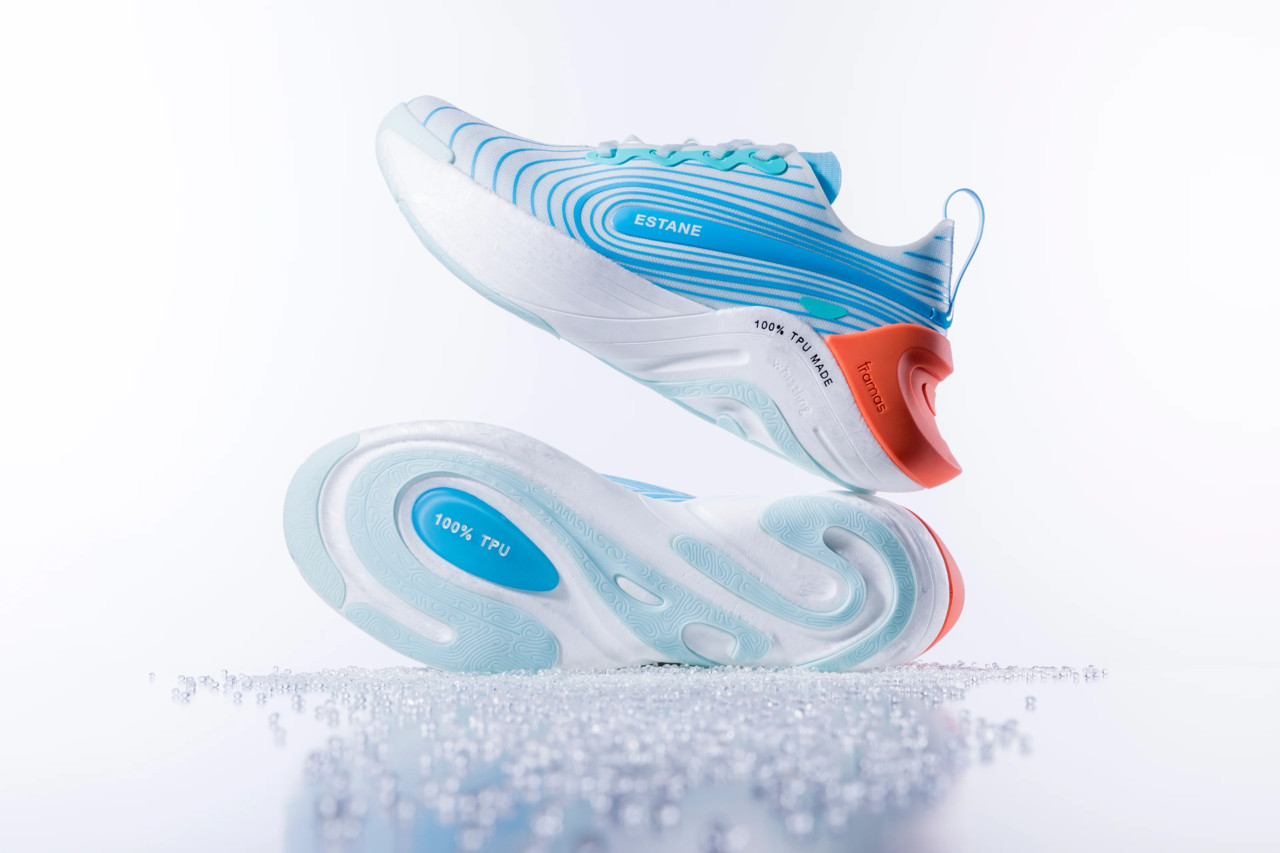
Gas, co-moulding and recyclable thermoplastics: at Simac Tanning Tech 2025, the sole sector shows where innovation is really heading.
There was great excitement in the world of moulded sole production during Simac Tanning Tech in September 2025. Many new products were presented, all of which were extremely interesting. In the Innovation Outlook prepared by Arsutoria for Simac, we will discuss acronyms that refer to new material formulations and the latest technologies. However, we believe it is essential to first frame the business issues that led to the emergence of these innovations: a series of demands brought to the market by the search for performance, regulatory pressures and growing pressure from both consumers and the workforce within manufacturing companies.
THE SEARCH FOR LIGHTNESS
The first issue addressed, and probably the one that attracted the most attention, was undoubtedly that of lightness. In other words: the search for a reduction in the density of materials. In traditional moulding technologies, we are not talking about 3D printing and therefore lattice structures, the reduction in density has been sought through the expansion of materials. The two traditionally expanded materials are PU and EVA. Both materials trigger cross-linking processes, i.e. the formation of chemical bonds that consolidate the molecular structure and make it resistant to external agents such as heat.
The innovations presented at this year’s fair all concerned the use of gas to increase expansion, in the case of PU, or to expand traditionally compact materials such as TPU. Our observation is that precise alliances are certainly being created between technology manufacturers and material suppliers. Expansion processes, in fact, modify the physics of materials through relatively recent processes that inevitably require compliance with precise protocols to be developed jointly by those who supply the machines and those who provide the chemistry.
RESEARCH INTO PROCESS INNOVATION
The second theme that emerged is that of the manufacturing process, with reference to worker health and safety. It is now clear that the fashion industry is finding it difficult to recruit staff who are willing to work in environments that pose health and safety risks, even for companies that manage these risks in the best possible way. Automation, i.e. the use of robots for handling materials, has been playing its part for years in removing the risk of operators coming into contact with high-temperature objects or being in close proximity to chemical agents that are sprayed onto moulding equipment. The innovations seen at this year’s trade fair explore further avenues of automation: the chemical compatibility between the materials used for moulding treads and midsoles favours a reduction in the chemicals needed to prepare the substrates in the bonding processes between two separately moulded parts. In the most virtuous cases, we are talking about co-moulding, i.e. positioning one of the two parts, usually the tread, inside the mould so that the other part can be cast or injected ‘on top’ and the adhesion between the two parts takes place inside the mould itself, without the application of adhesives. At an even more advanced technological level, the two parts are injected into the same mould in two successive injection steps. The advantages of this latter approach are also evident in terms of time and cost.
THE PURSUIT OF CIRCULARITY
The third and final topic, linked to the previous ones and no less important, is that of material circularity. The progressive increase in the use of thermoplastics instead of thermosets for moulding soles simplifies the process of reusing materials. The elimination of chemical cross-linking processes makes plastic materials more easily recyclable. In any case, at this edition of the fair, we saw virtuous examples of supply chains that have organised themselves to manage the material recycling process at different levels. From an initial level of mechanical recycling that keeps the structure of the polymer chains unchanged, to different levels of chemical recycling: decrosslinking, which breaks the covalent bonds typical of cross-linking; but also depolymerisation, which breaks down the polymer chains into their starting chemical units, the monomers; and sophisticated pyrolysis, which is capable of breaking down the monomers and returning the materials to their original state. Upstream of these processes, of course, there must be a chain of operators suitably organised to collect the materials to be recycled, recognise their different chemical natures in order to separate them appropriately and treat them in a differentiated manner.
A Conference and the Signing of a “Memorandum of Understanding” to strengthen collaboration between Italy and Egypt in the leather industry
Keep reading...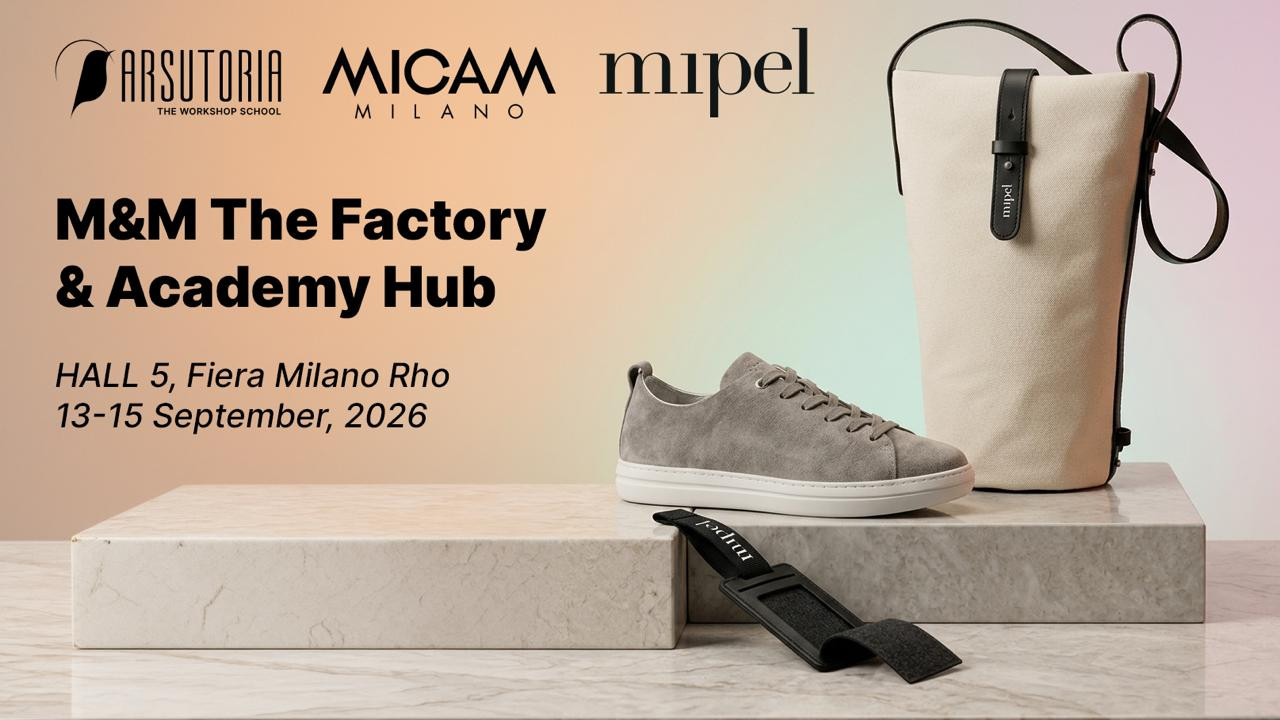
From 13 to 15 September 2026, in Hall 5 at Fiera Milano Rho, the M&M – The Factory & Academy Hub builds a luggage tag, a sneaker and a bag live. Almost 30 material and technology companies involved, and an educational programme developed by Arsutoria.
Keep reading...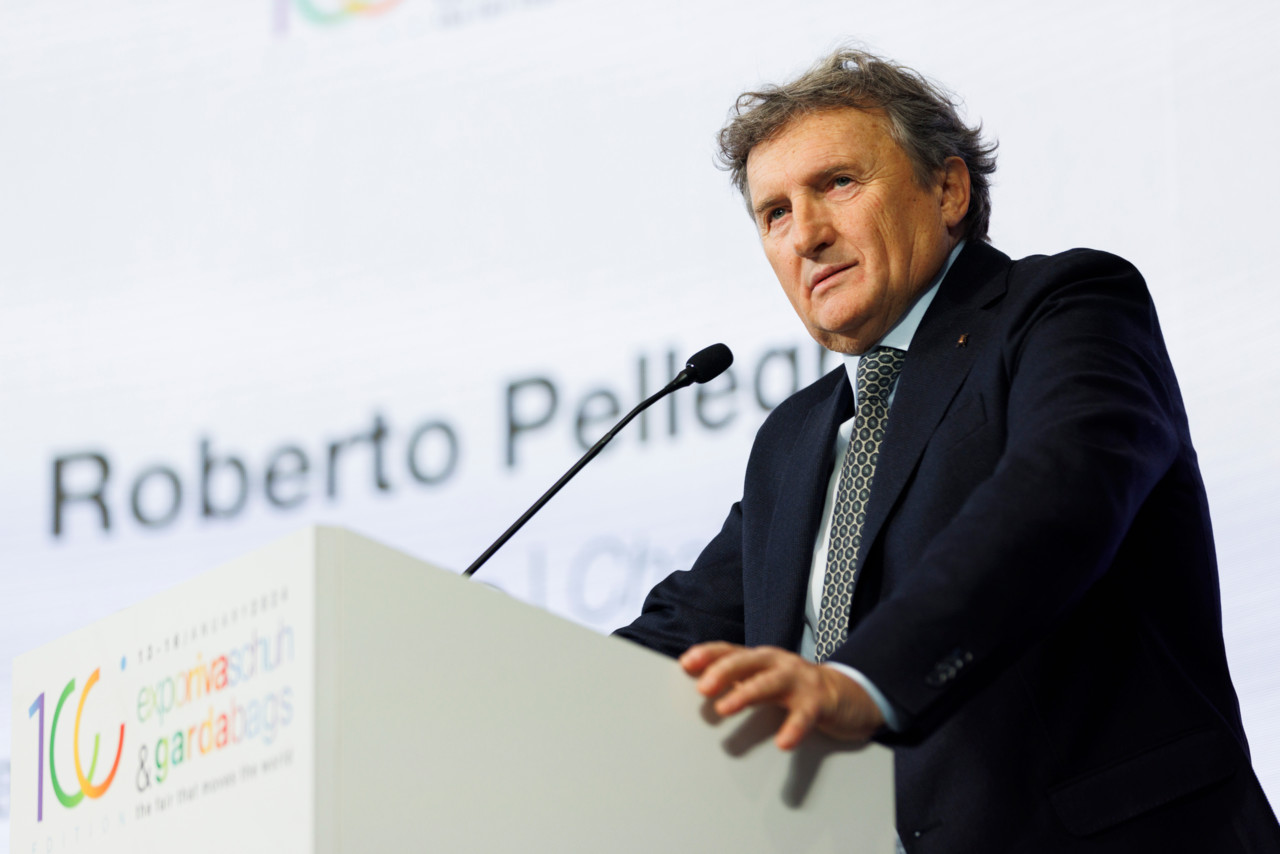
At the helm of Riva del Garda Fierecongressi since 2007, he propelled the fairs beyond national borders. A tribute to a leader who foresaw the future by looking back.
Keep reading...You must login to read this free content
This content requires a subscription to view. Are you already a subscriber? Sign in