
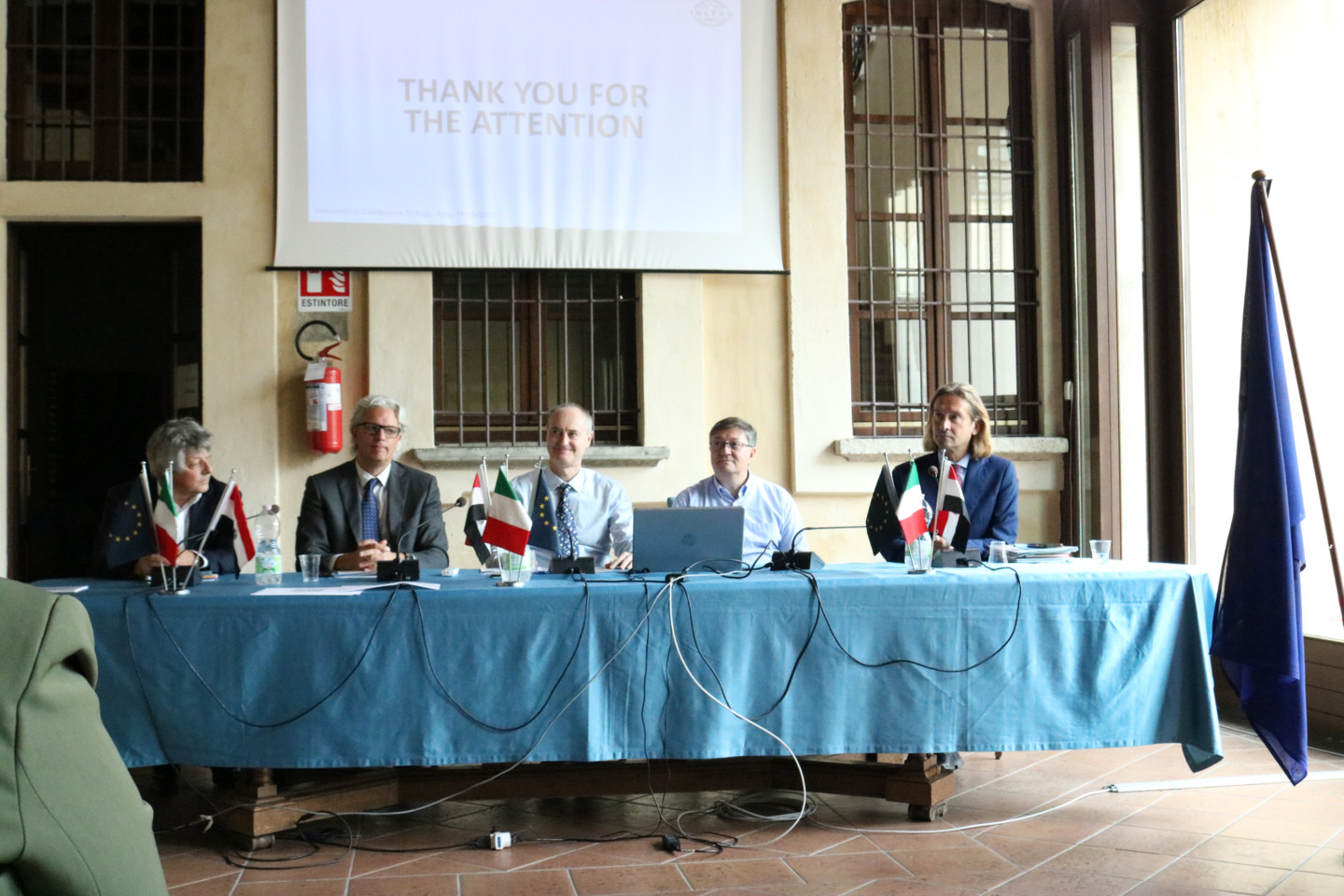
Robbiki Leather City: the Egyptian mission concludes in Turbigo
A Conference and the Signing of a “Memorandum of Understanding” to strengthen collaboration between Italy and Egypt in the leather industry
Keep reading...
December 2025
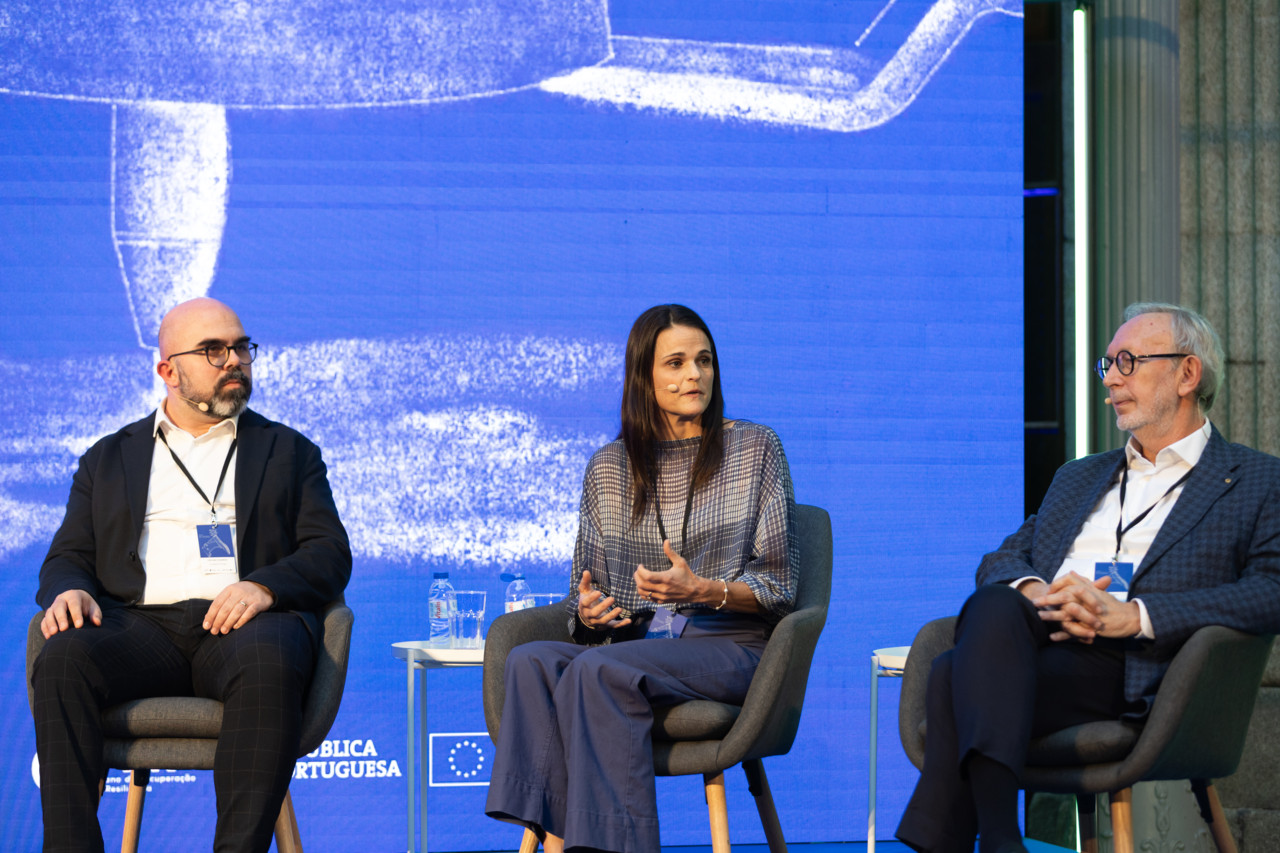
The FAIST panel brought together international experts to discuss innovation, automation and the central role of the human factor in the factory of the future.
“We live in a very polarised world,” said Sergio Dulio of UITIC during the FAIST round table moderated by Luís Moura. A phrase that accurately captures the current state of global footwear production: on the one hand, the mass market; on the other, the niche market. In between, a sea of questions about the future.
The panel, which brought together Carrie Howles from What the Future, Cristiano Figueiredo from CTCP and Dulio himself, addressed the crucial issue: how can we truly innovate in a sector where tradition and craftsmanship are still fundamental values?
There is no single answer. According to Dulio, there will be no room for large-scale expansion in terms of volume, but rather for “consolidation and diversification through innovation and the adoption of new technologies”. Figueiredo, on the other hand, pointed to the concrete obstacles that are holding back Portuguese manufacturers: high costs, a lack of skills and, above all, the need for in-depth self-analysis. “It’s not enough to buy a machine,” he stressed. “You have to understand what to automate and train people accordingly.”
Carrie Howles’ perspective on 3D printing is interesting: it is generating great enthusiasm among younger generations “who do not feel the need to perform certain tasks that are considered essential by more experienced people”. They believe that “technology can be used to produce shoes in a different way, which leads us to critically analyse our processes, looking for new ways and means to minimise the negative impact of certain tasks on workers.”
This concept was reiterated by Figueiredo: “Human beings must adapt to technology, but technology must be designed with people at its core.” Not replacement, therefore, but retraining. Yesterday’s workers can become tomorrow’s robot operators.
Finally, Dulio classified companies into three categories according to their ability to adopt innovation: the convinced, the cautious observers and the explorers. Each at their own pace, but with a shared certainty: innovating means changing the business model, not just buying technology.
A Conference and the Signing of a “Memorandum of Understanding” to strengthen collaboration between Italy and Egypt in the leather industry
Keep reading...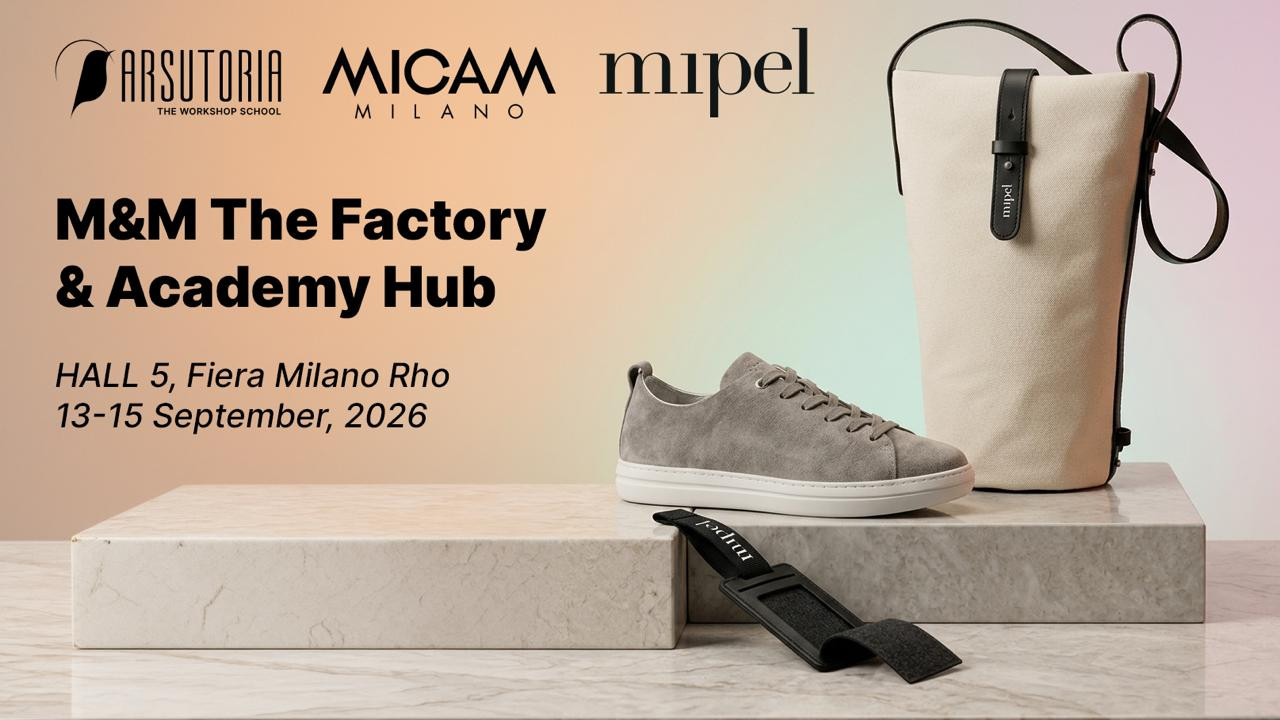
From 13 to 15 September 2026, in Hall 5 at Fiera Milano Rho, the M&M – The Factory & Academy Hub builds a luggage tag, a sneaker and a bag live. Almost 30 material and technology companies involved, and an educational programme developed by Arsutoria.
Keep reading...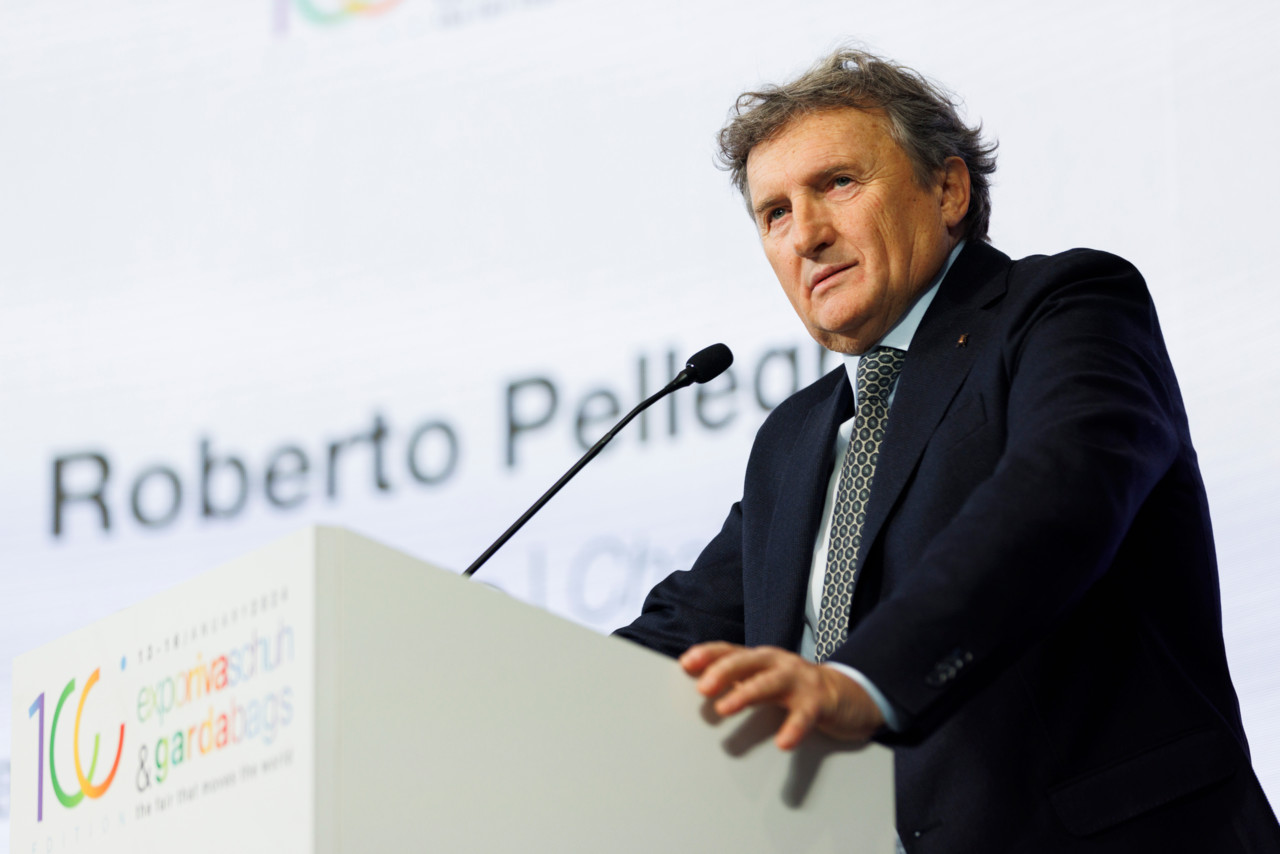
At the helm of Riva del Garda Fierecongressi since 2007, he propelled the fairs beyond national borders. A tribute to a leader who foresaw the future by looking back.
Keep reading...You must login to read this free content
This content requires a subscription to view. Are you already a subscriber? Sign in