Nice Footwear: the Nice Brand Lab division is born in Padua
A business unit completely dedicated to the development of licensed brands in the world of trainers and leisure footwear.
Company news Arsutoria
August 2024
The Padua-based company, active in the leisure, sports and luxury footwear sector, continues its expansion by reorganising its business with the creation of Nice Brand Lab, a division entirely dedicated to the distribution of its own and licensed brands. The business unit is headquartered in Padua, in a new company facility with an industrial flavour, a few kilometres from the headquarters. The choice is dictated by the desire to develop and enhance the peculiarities of the different product categories that the company oversees through the creation of dedicated business units. On the one hand, for the Nice Group, the market segment related to sportswear and lifestyle brands is constantly growing. On the other, the development plan for the luxury area continues, with M&A operations in the world of luxury manufacturing. To date, Nice Brand Lab’s portfolio counts the production and distribution licence of the Ellesse, Lyle & Scott and Avirex brands. In particular, Ellesse, the iconic Italian brand owned by the Pentland group, saw a 30% increase in sales in the Autumn/Winter season and the leadership of the new global LSR project, which embodies the timeless elegance and innovation of the Ellesse brand, reached more than 150 of the world’s best trainer and concept stores.
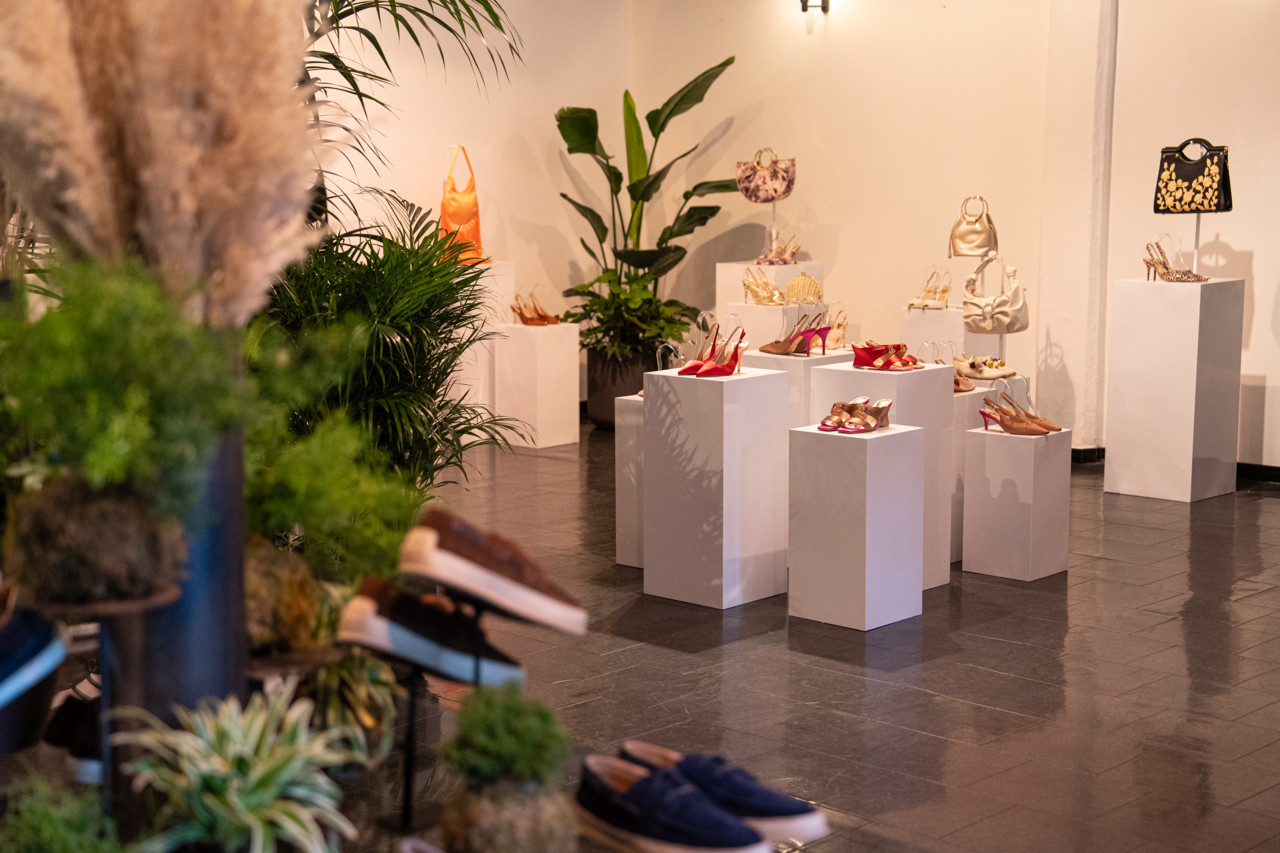
For Spring/Summer 2027, the Women’s Collection focuses on sculptural heels and couture materials, whilst the Men’s Black Label collection embraces a Mediterranean casual style. The collections were presented at the historic Luciano Soprani showroom at 30 Via Morosini in Milan.
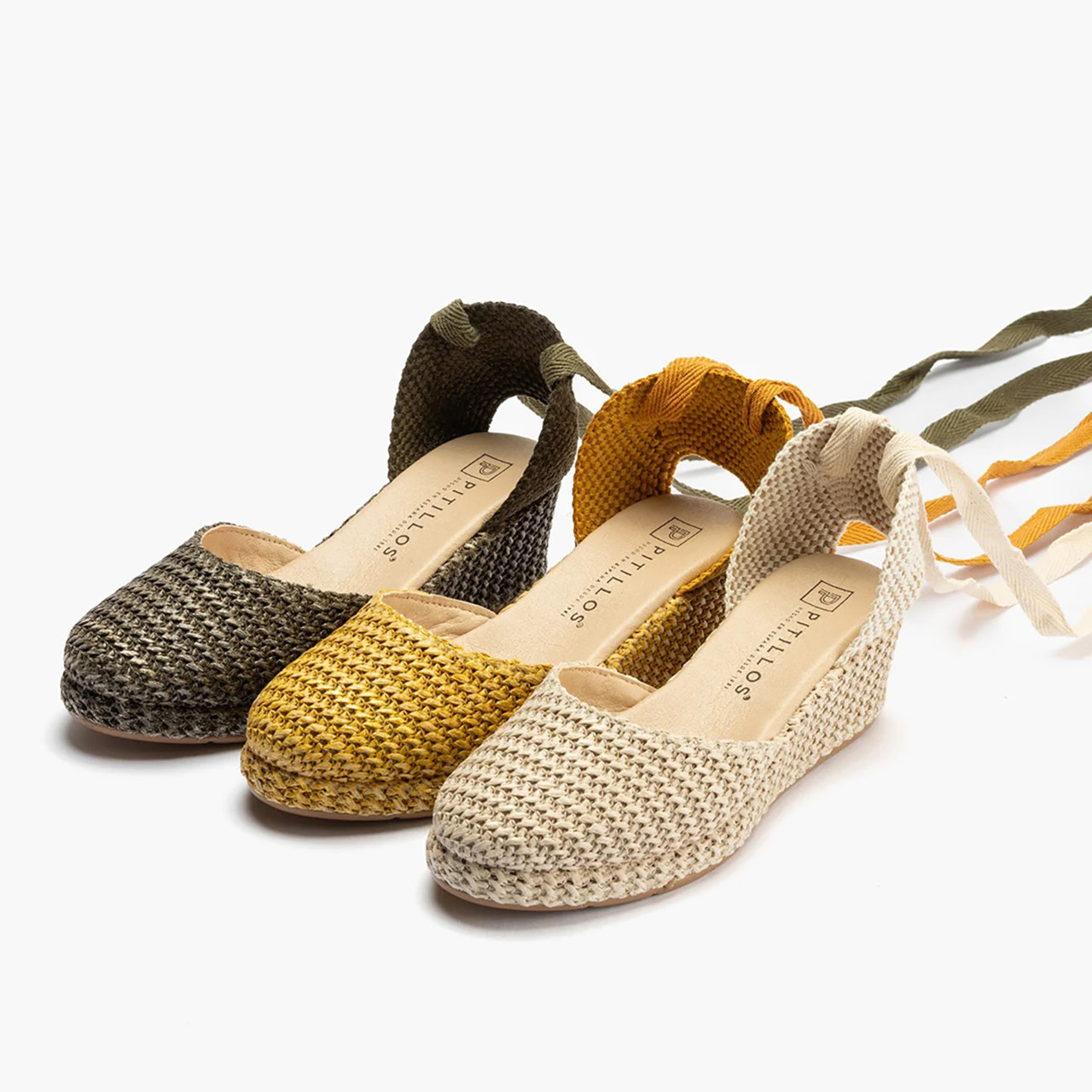
The Spanish brand presents a collection that interprets next season’s trends whilst remaining true to comfort, quality and attention to detail. At the heart of it all is ‘Made in Spain’ craftsmanship.
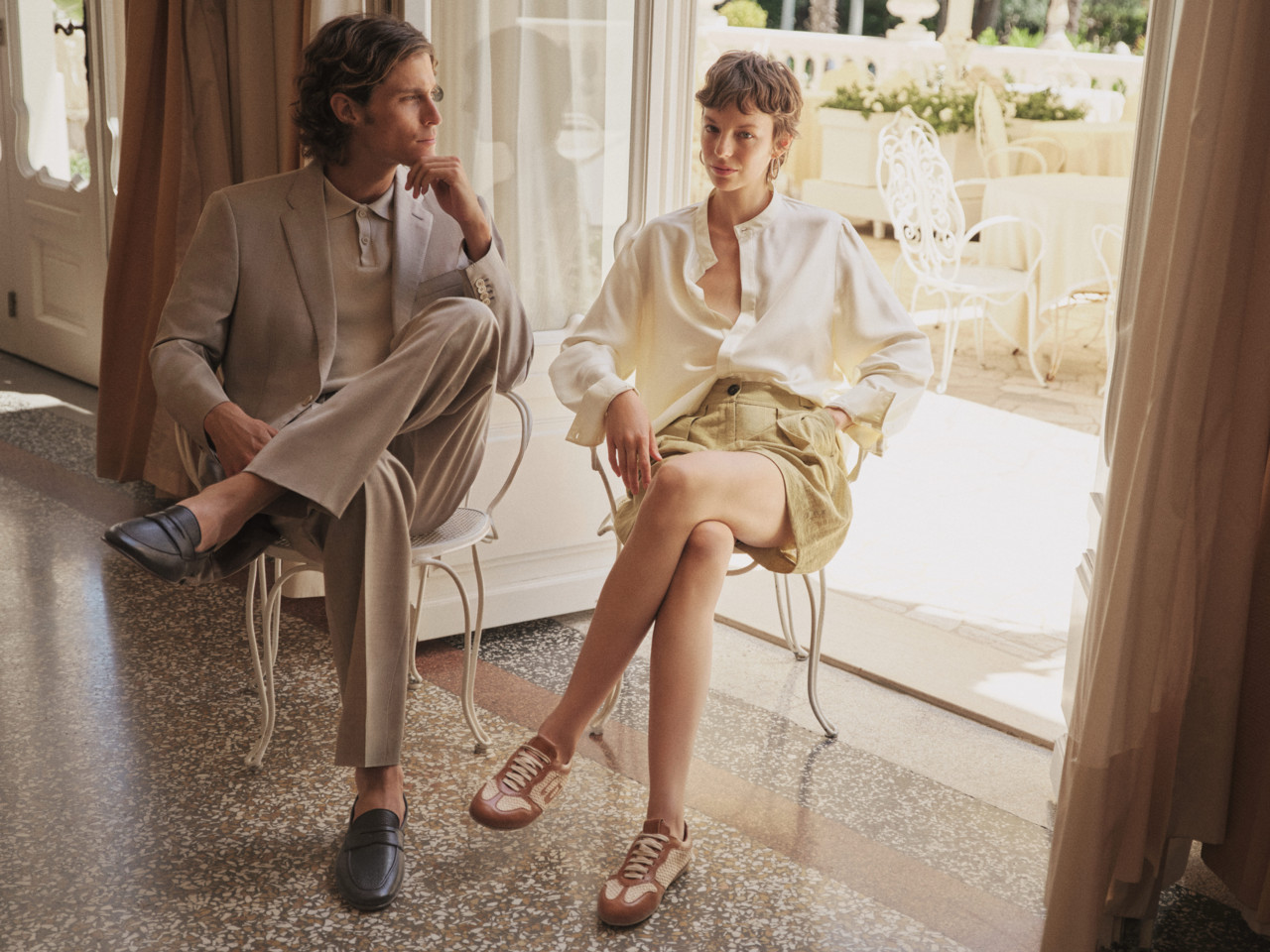
The Spring–Summer 2027 collection focuses on lightness, soft materials and the Goodyear Reverse construction. Alongside this, Onda: a trainer with an ultra-light, voluminous sole and a multi-layered upper.