FREITAG’s Mono[PA6] backpack is circular economy proof
From the fabric to the zippers to the buckles, the backpack is made from a single material so that it can be easily recycled as a whole at the end of its life cycle.
Company news Arsutoria
October 2024
With the launch of this innovative product, the Zurich-based company is taking an important new step toward its circular economy vision. Thinking and acting in a circular way is an integral part of Freitag’s DNA. The company’s vision is this: to create bags and accessories that are no longer just made from used materials, but are also circular. After three years dedicated to its development, Freitag is launching another circular innovation: the Mono[PA6] backpack is not only functional, durable and water-repellent, but also recyclable in its entirety and thus entirely circular.
In order to simplify the recycling process as much as possible while also saving resources, the entire focus was on the monomaterial. The material chosen is polyamide 6 or PA6, better known as nylon: versatile, strong and multifaceted. But limiting oneself to this one material is easier said than done. A total of 17 PA6 components had to be sourced, all with specific requirements for textures and characteristics: from a water-repellent material for the main body to solid zippers to solutions for shoulder straps, labels, or stitching thread.
Together with a textile industry partner in Taiwan, Freitag developed an innovative fabric that is both water-repellent and single-material. After a laborious development period, this innovative three-layer all-polyamide 6 fabric passed all tests.
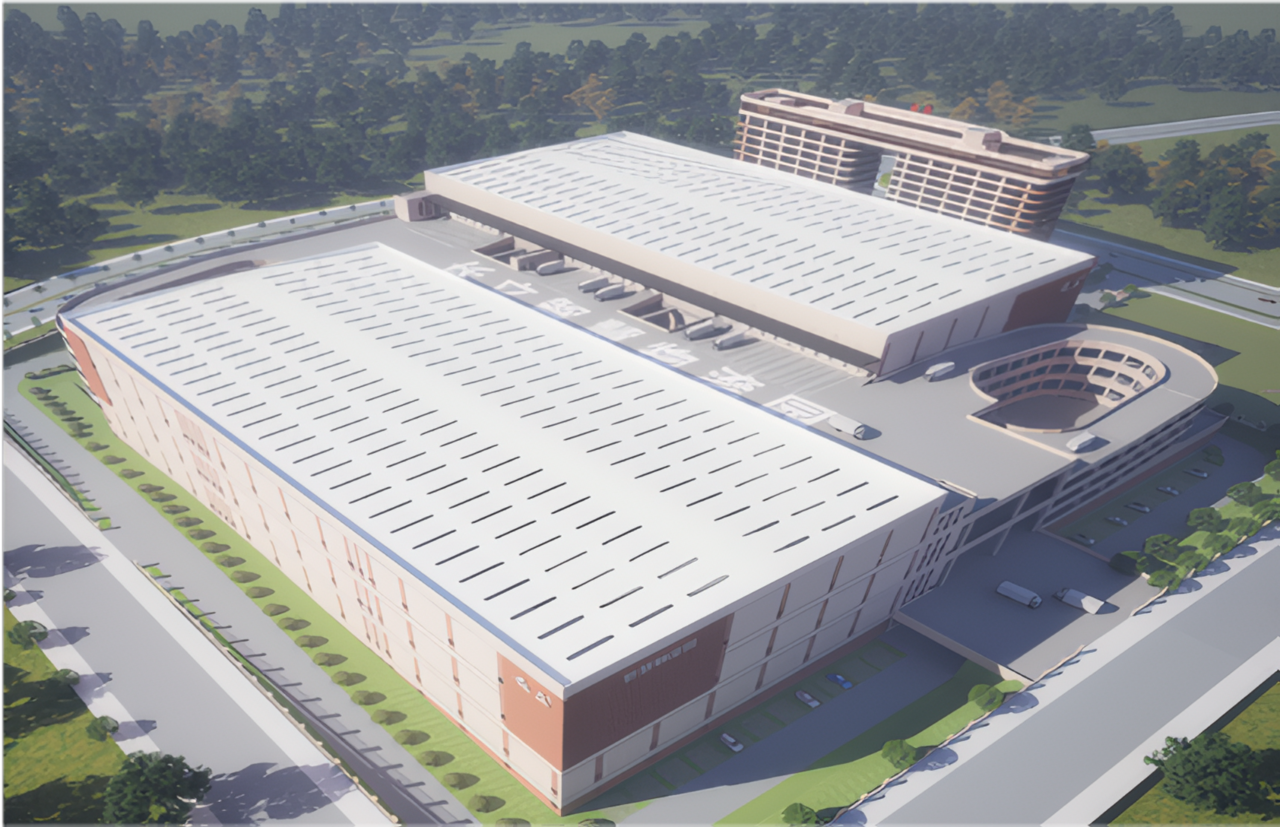
The Jinjiang-based Chinese group, which has been an ODM for GEOX, Skechers and Jack Wolfskin for thirty years, is opening its first customs logistics park in Quanzhou. Two hundred thousand square metres, AI-powered sorting, eighteen European warehouses: the Chinese footwear industry is reinventing itself.
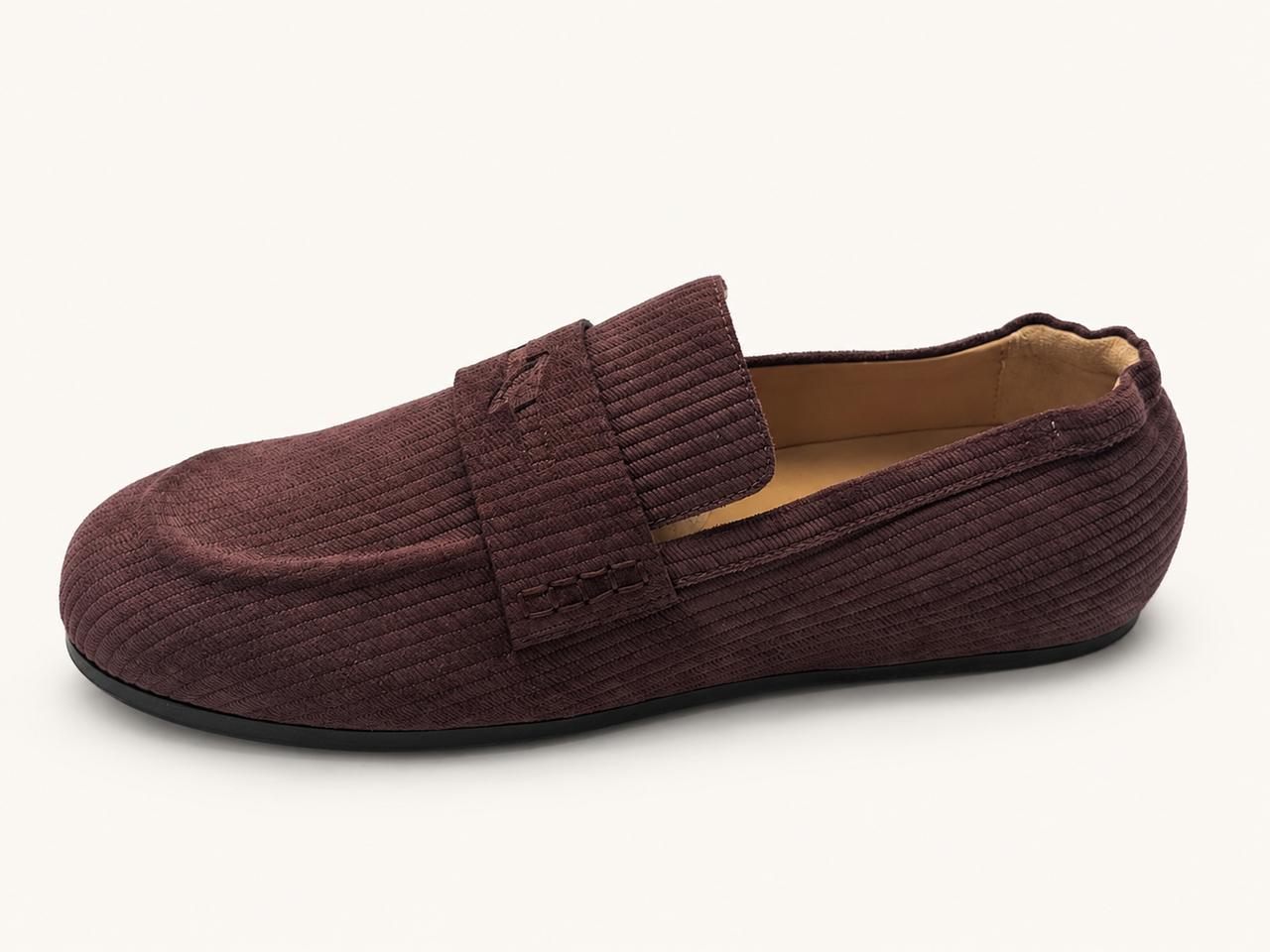
The brand, founded between Italy and Dubai, ventures beyond the world of trainers for the first time with ‘Linea’, the first loafer in a collection that redefines the concept of imperfection.
The ZDHC framework covers textiles, leather and plastics, but not metal: for years, the accessories supply chain has been responding to written requests intended for other processes. Led by the Physis Consortium, the first list of restricted substances for electroplating was drawn up at the end of 2025.



![FREITAG’s Mono[PA6] backpack is circular economy proof](https://arsutoriastudio.com/wp-content/uploads/2024/10/113422-113419.jpeg)