The Scandicci-based handbag and wallet company continues with its policy of acquisitions, and after Fior di Pelle, it is the turn of Tifariti, with a progressive integration of all production phases to establish itself in an increasingly competitive market.
Company news Arsutoria
April 2024
At a time when the Florentine leather goods district is experiencing a notable slowdown in production activity, caused by the economic crisis that has also hit the luxury fashion houses, KUOYO, Fabio Fatarella’s Scandicci-based company, producer of bags and wallets for the big fashion brands, accelerates its investments and acquires another leather goods company, joining Fior di Pelle, acquired last July. This time, it is Tifariti, a company owned by the Tirinnanzi family, founded in 2010 and specialised in the production of bags, including those made from precious leathers, and small luggage. Thanks to its long experience with the most important brands in the fashion industry, including Gucci, Pelletterie Tifariti has developed a constant growth, up to the expansion in 2014 and the relocation to the current 400 square metre plant in Rufina.
KUOYO therefore continues its strategy of progressively integrating all production phases to establish itself in a highly competitive market, offering value-added services and guaranteeing a qualitative and sustainable supply chain. In fact, according to Fatarella, “if, on the one hand, to obtain a top quality product and protect the image of the most prestigious customers there is no other way than to carefully control it, on the other hand, it is necessary to secure part of the production capacity, in order to face the inevitable shortage of specialised resources expected in the coming years”. The plan for KUOYO LAB is to reach 100 employees by 2025 through the cooperation already initiated with some top brands in the industry.
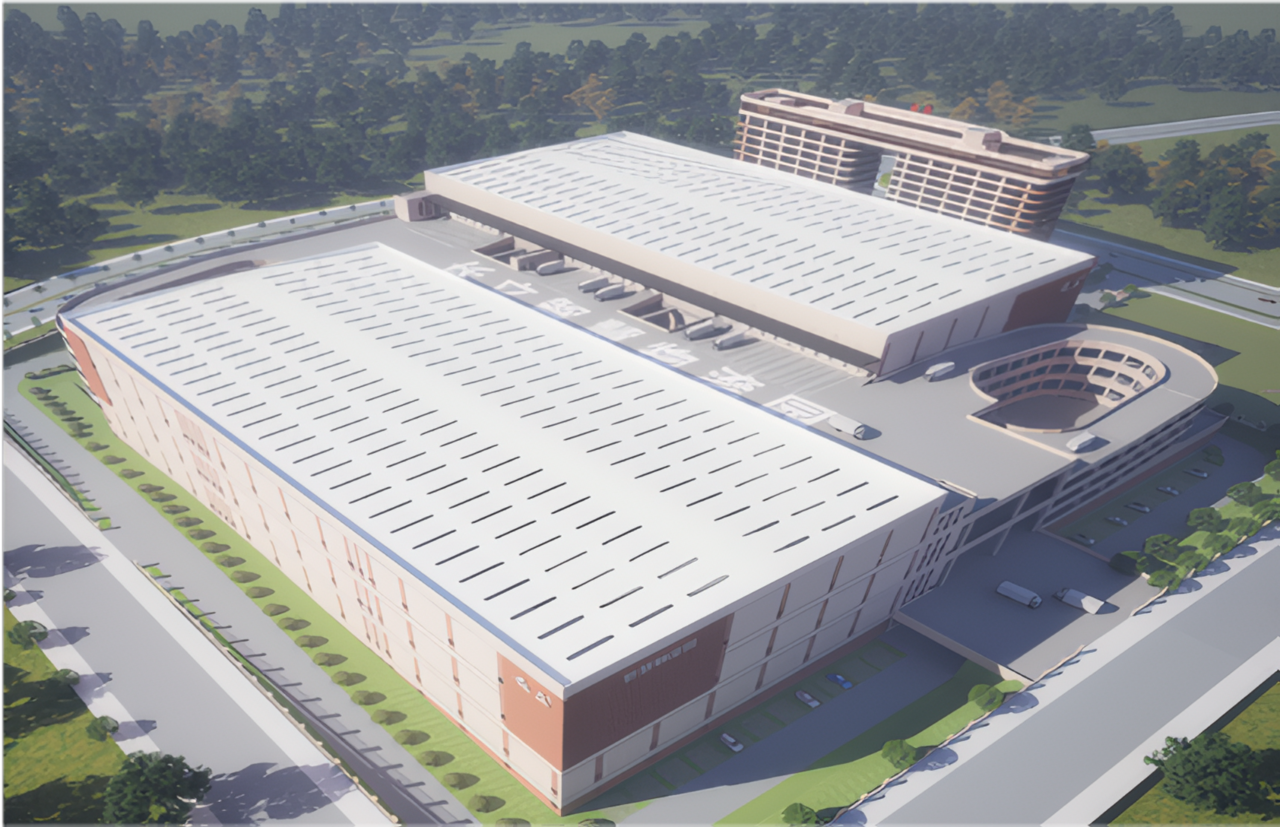
The Jinjiang-based Chinese group, which has been an ODM for GEOX, Skechers and Jack Wolfskin for thirty years, is opening its first customs logistics park in Quanzhou. Two hundred thousand square metres, AI-powered sorting, eighteen European warehouses: the Chinese footwear industry is reinventing itself.
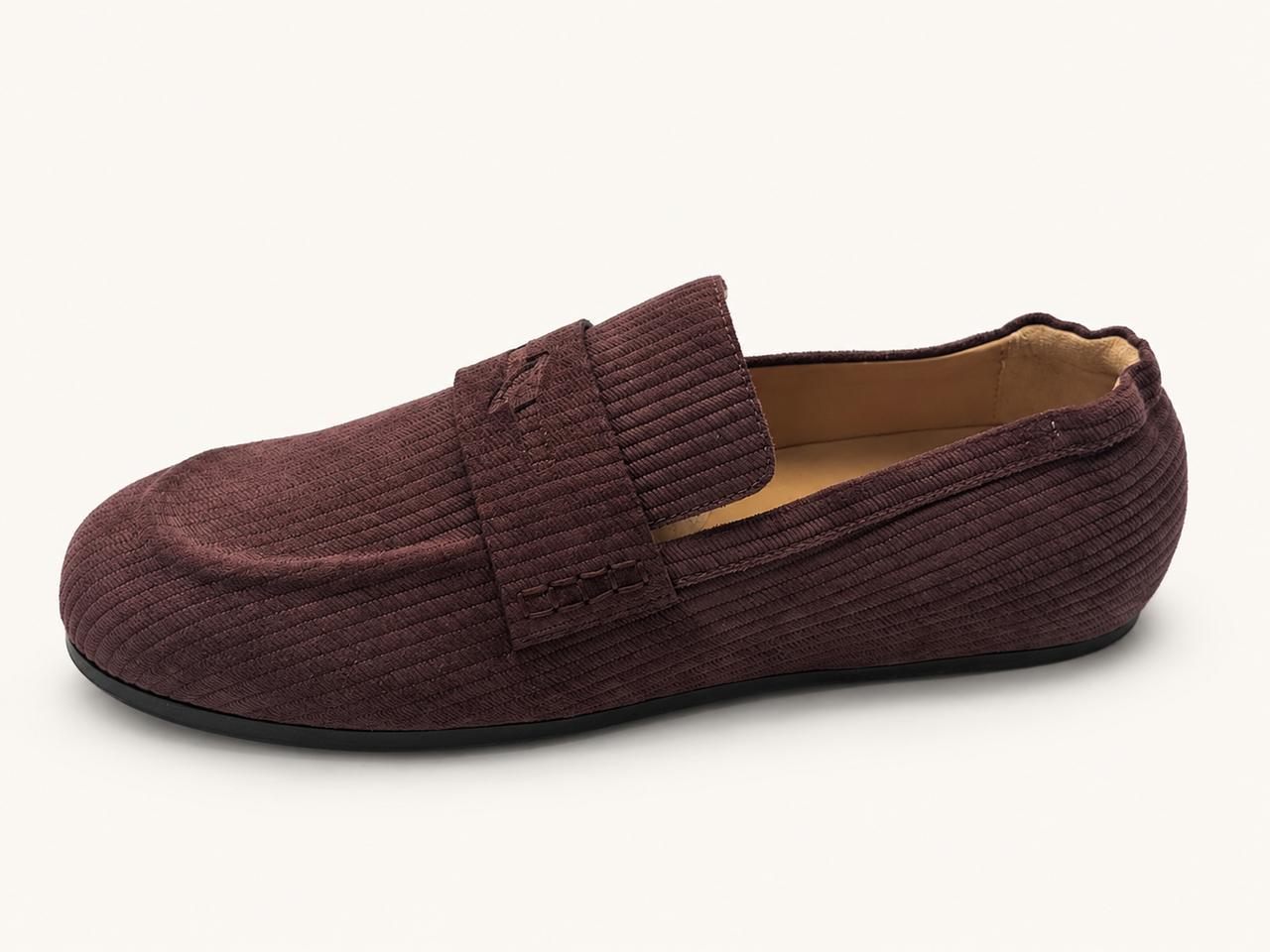
The brand, founded between Italy and Dubai, ventures beyond the world of trainers for the first time with ‘Linea’, the first loafer in a collection that redefines the concept of imperfection.
The ZDHC framework covers textiles, leather and plastics, but not metal: for years, the accessories supply chain has been responding to written requests intended for other processes. Led by the Physis Consortium, the first list of restricted substances for electroplating was drawn up at the end of 2025.