The art of Italian shoemaking has been nominated for inclusion on UNESCO’s Intangible Cultural Heritage list
Flash news
June 2026
Giovanna Ceolini, president of Assocalzaturifici, heads the Promotional Committee launching the first UNESCO nomination project for the Italian fashion and lifestyle sector.
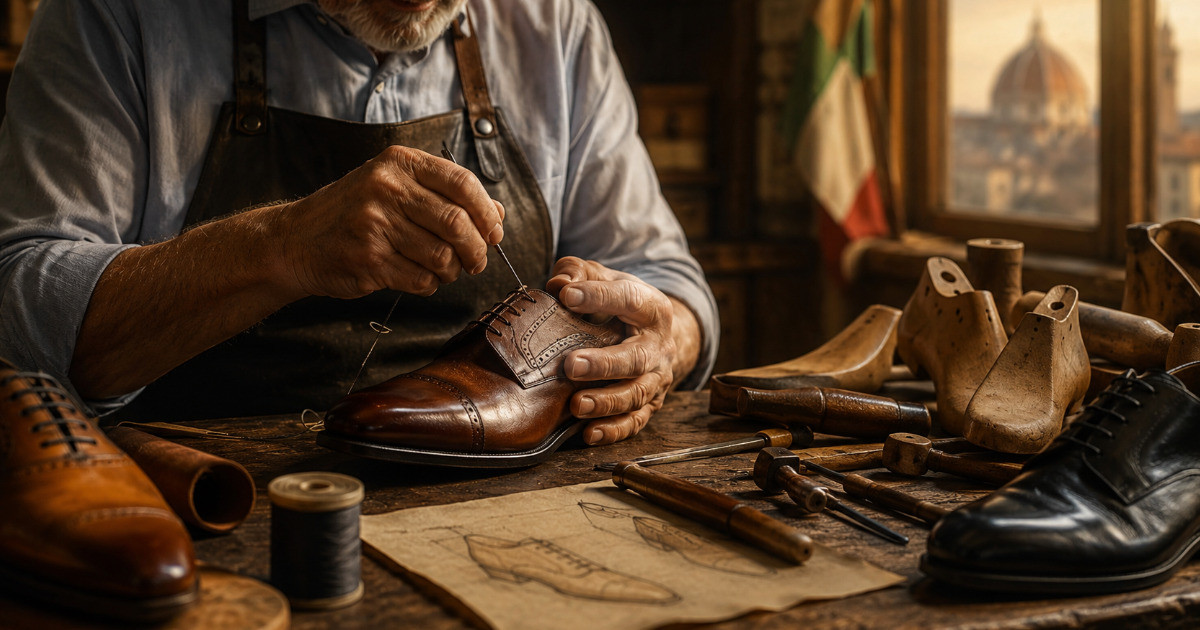
Italian footwear represents not only a supply chain of excellence recognised worldwide, but a living cultural heritage that continues to evolve thanks to its ability to combine tradition and innovation, creativity and manufacturing expertise, quality and research – built up over time through the work, skills and passion of generations of entrepreneurs, technicians, designers and trainers. Building on this premise, the process to nominate the Art of Italian Footwear for inclusion on UNESCO’s List of Intangible Cultural Heritage is now officially underway. An initiative promoted by Assocalzaturifici, Museimpresa, CERCAL and the Politecnico Calzaturiero through the Promoting Committee chaired by Giovanna Ceolini, established with the aim of recognising, promoting and passing on to future generations one of the most representative aspects of Made in Italy. The art of Italian shoemaking would be the first in the world to receive UNESCO recognition.
Supported by the Ministry of Enterprise and Made in Italy, the project is a sector-wide initiative involving the worlds of business, education, culture and research, with the aim of establishing a shared approach capable of promoting the manufacturing, economic and social culture of a key sector in the country.
On 11 June, at the Ministry of Enterprise and Made in Italy, the Promotional Committee for the Safeguarding and Promotion of the Art of Italian Footwear will be officially established; this body will lead the nomination process.
“The UNESCO nomination stems from a desire to recognise and promote a heritage that belongs to the whole country. Italian footwear is an expression of a culture of craftsmanship that combines technical skills, creativity, regional identity and the capacity for innovation. Through this process, we wish to affirm the cultural value of our know-how and strengthen our commitment to passing it on to future generations,” stated Giovanna Ceolini.
The footwear market is cooling, driven by a complex international economic climate and a profound shift in consumer tastes, as people grow weary of mass-produced minimalism. : how loafers and heels are reshaping fashion for the over-30s
In the first half of 2026, turnover fell by 2.5 per cent and production by 4.6 per cent. Europe holds steady, whilst the Middle East slumps. 1,884 jobs were lost in six months – more than in the whole of 2025.
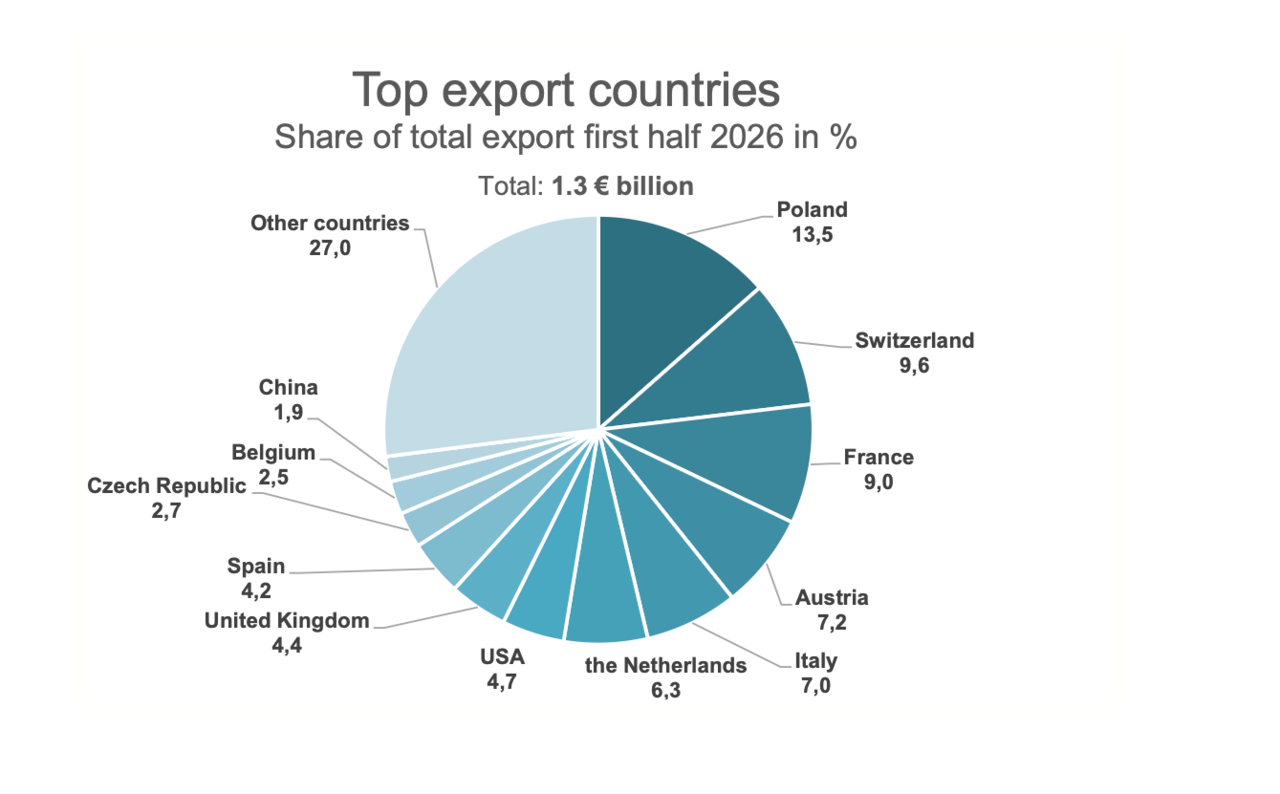
In the first half of 2026, the German footwear and leather goods industry remained stable, albeit at low levels. Amid price rises linked to the war with Iran and new European waste regulations, Italy saw a decline in volumes but maintained its value.