SPOOR and OEKO-TEX® MADE IN GREEN: for full traceability of leather products
The collaboration between the international OEKO-TEX® association and Danish traceability pioneer SPOOR redefines transparency in the leather industry.
Company news Arsutoria
April 2025
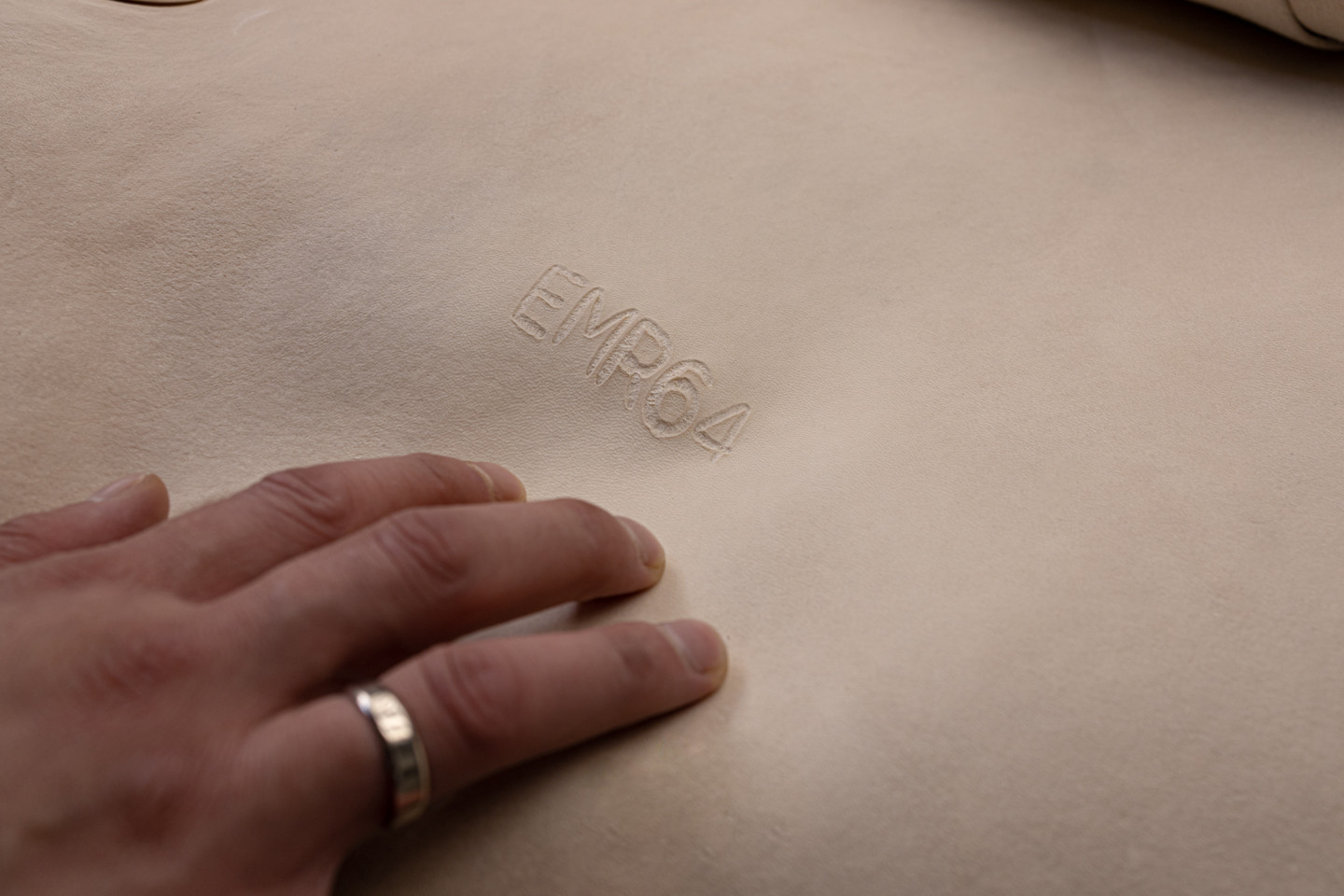
Through this partnership, the two organisations will drive forward a data-based approach that enables full traceability of leather products back to the individual animal farm, setting a new global standard for responsible sourcing. Leveraging SPOOR’s cutting-edge tracking technology, this initiative ensures that every leather hide can be traced from birth through the tanning process to the final product. This traceability data is subsequently digitized within the OEKO-TEX® Label Check, allowing consumers to effortlessly access and visualize the locations and stages immediately. By additionally certifying each involved production facility for environmentally conscious practices, responsible chemical management and the upholding of social responsibility standards, OEKO-TEX® further advances its MADE IN GREEN label as a benchmark for sustainable and transparent leather. This collaboration is a major step toward a more responsible and environmentally conscious leather industry, offering brands the ability to provide consumers with verifiable insights into their leather products’ origins and production processes.
The Jinjiang-based Chinese group, which has been an ODM for GEOX, Skechers and Jack Wolfskin for thirty years, is opening its first customs logistics park in Quanzhou. Two hundred thousand square metres, AI-powered sorting, eighteen European warehouses: the Chinese footwear industry is reinventing itself.
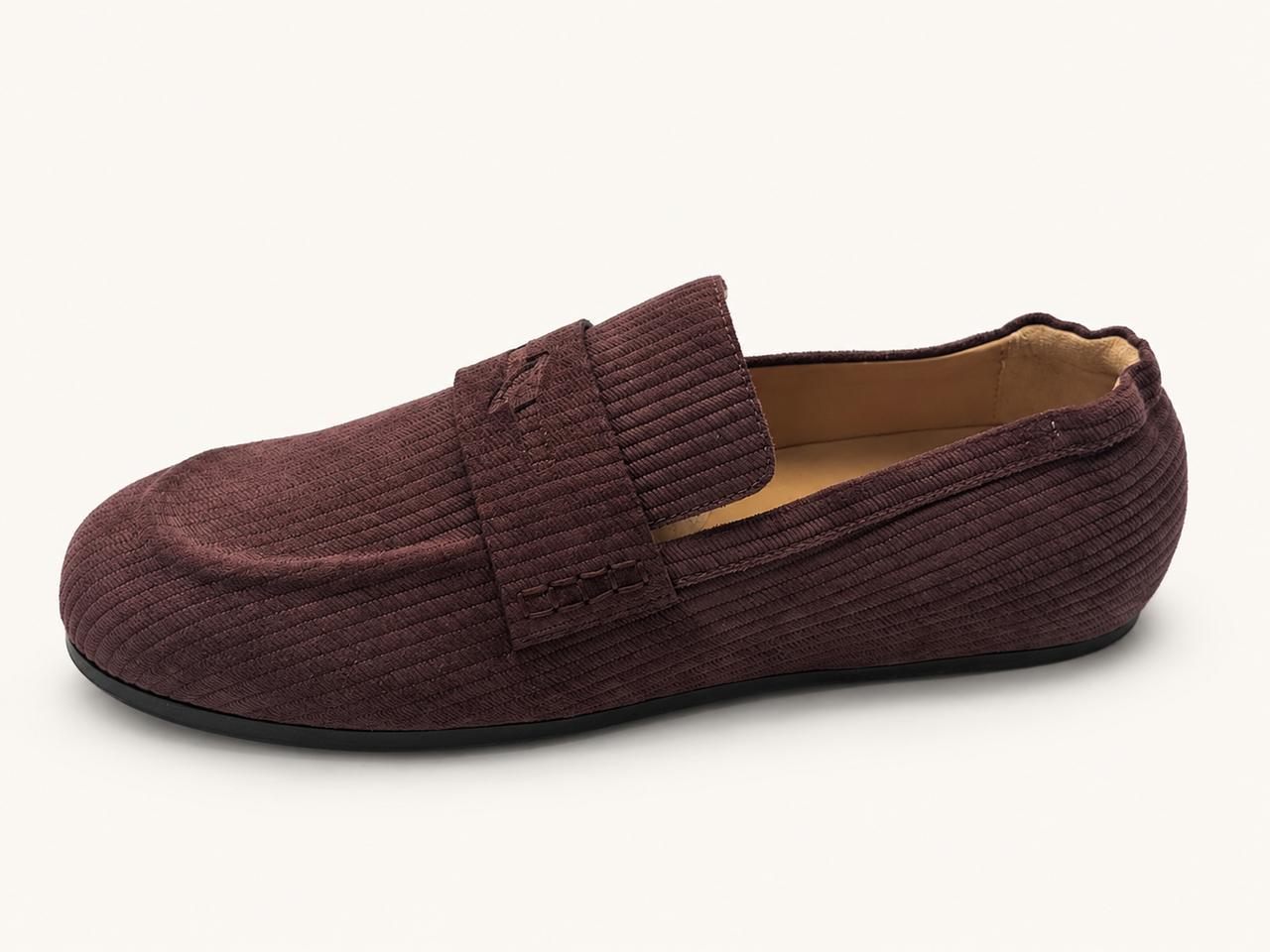
The brand, founded between Italy and Dubai, ventures beyond the world of trainers for the first time with ‘Linea’, the first loafer in a collection that redefines the concept of imperfection.
The ZDHC framework covers textiles, leather and plastics, but not metal: for years, the accessories supply chain has been responding to written requests intended for other processes. Led by the Physis Consortium, the first list of restricted substances for electroplating was drawn up at the end of 2025.