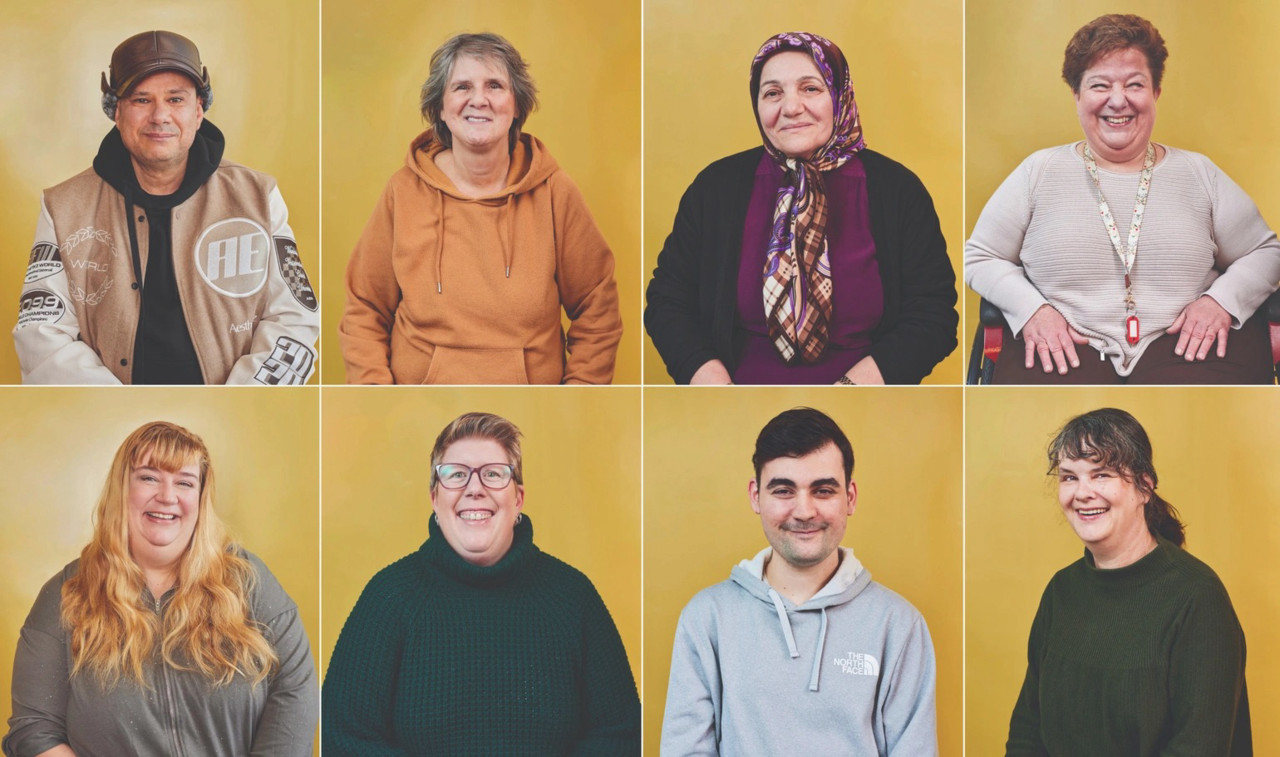
The Dutch brand has launched the #ValuingCapabilities campaign to celebrate those who assemble its products in sheltered workshops. A business model that demonstrates how ethics and profit can coexist.
Company news Arsutoria
January 2026
“Doing business in an ethical and positive way is complex. But it is essential.” This is not the slogan of an advertising campaign, but the operating philosophy of Secrid, the Dutch brand that has transformed the wallet into a manifesto of social sustainability.
In 2024, the company launched #ValuingCapabilities, a campaign that shines a spotlight on those who actually manufacture the products: workers in sheltered workshops. These are employment centres that offer dignified work to people with disabilities, guaranteeing safe conditions and financial stability to those who would otherwise remain on the margins of the labour market.
Design as a force for good. This is not rhetoric. At Secrid, designers design with the people who will assemble the product in mind. Continuous dialogue with the workshop teams allows for the development of tailor-made tools and workflows, enhancing unique skills. Feedback from these employees simplifies designs, eliminating unnecessary components. The result? Better products, made by people who feel they are an integral part of the company’s success.
While many brands talk about sustainability as an accessory to be flaunted, Secrid demonstrates that authentic social impact comes from upstream choices. Choices that transform a simple wallet into a tool for change.
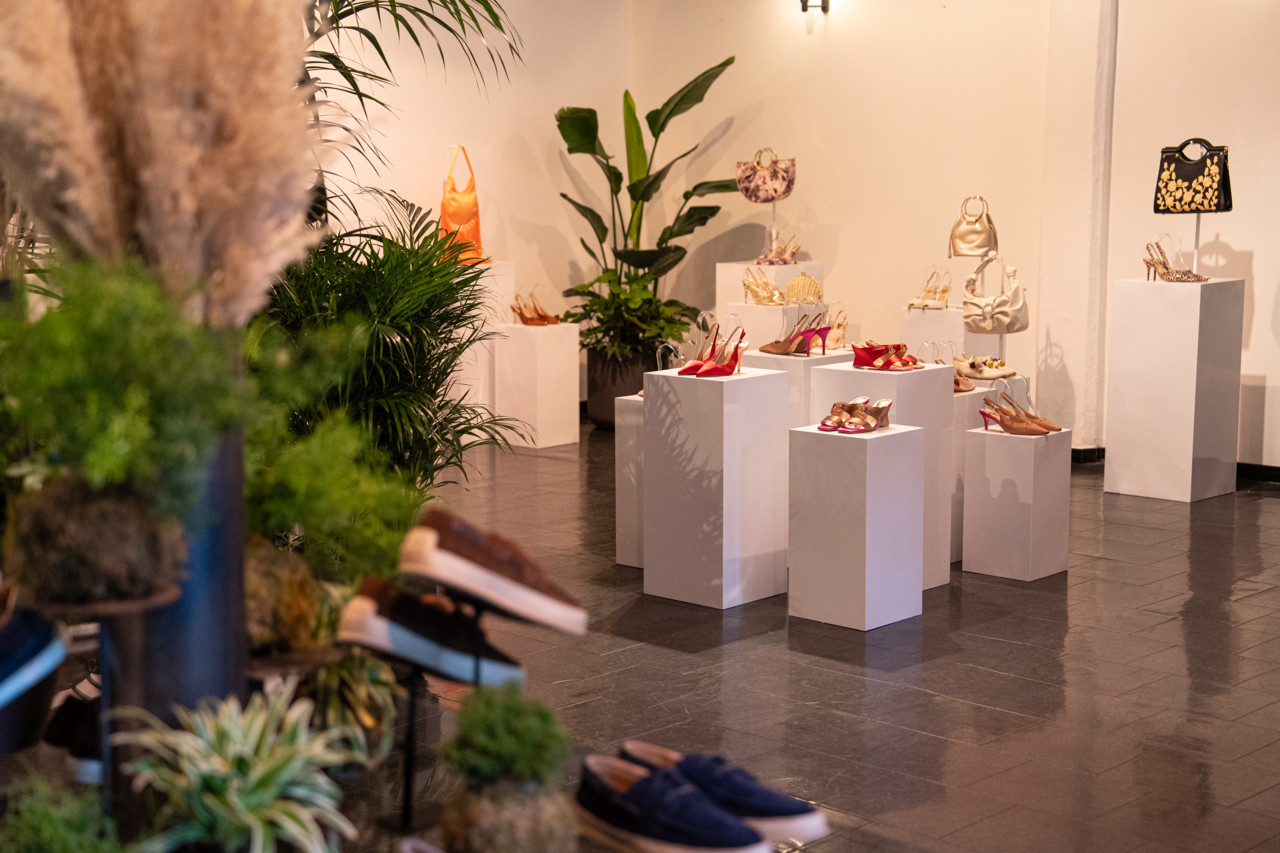
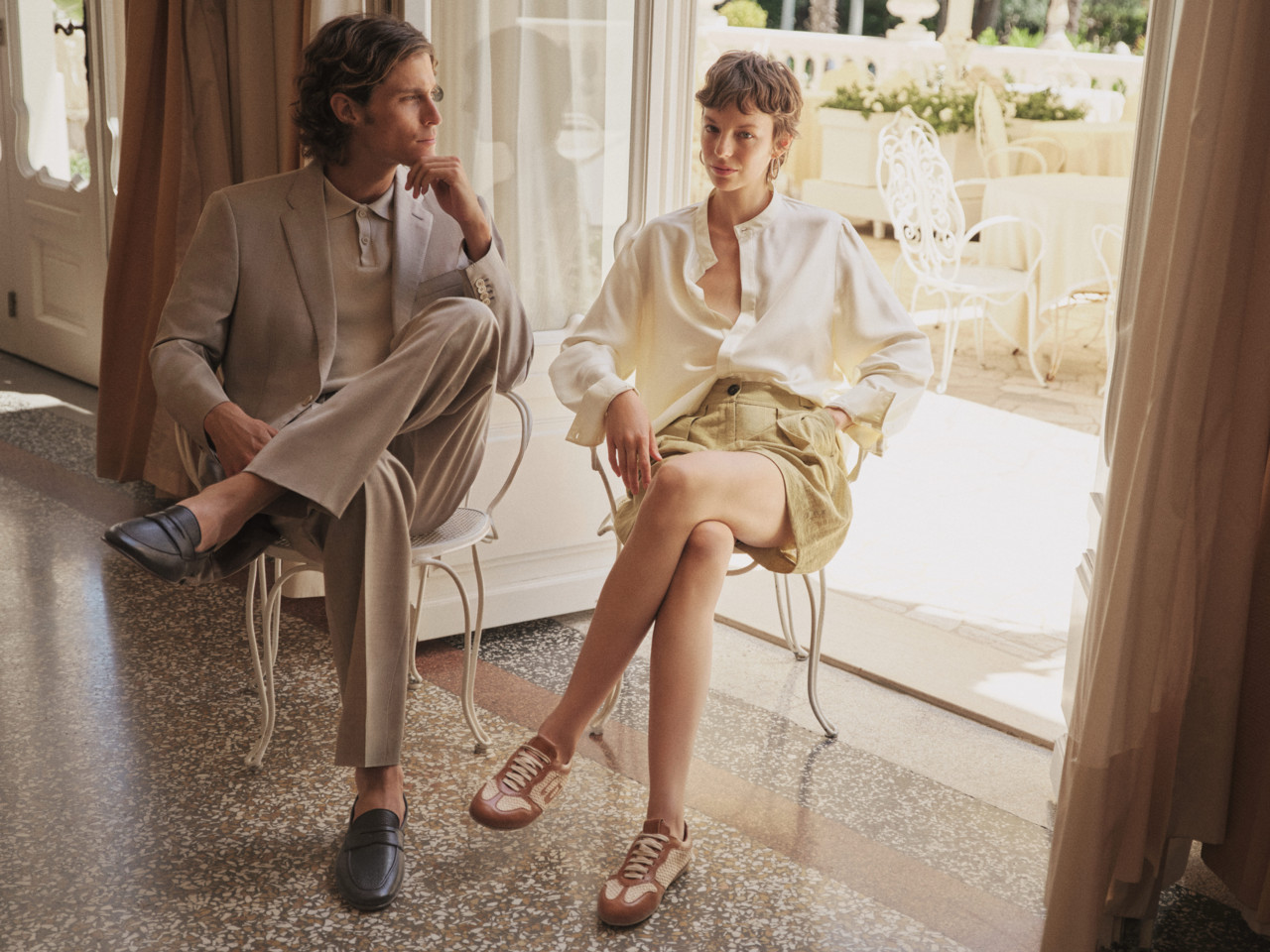
For Spring/Summer 2027, the Women’s Collection focuses on sculptural heels and couture materials, whilst the Men’s Black Label collection embraces a Mediterranean casual style. The collections were presented at the historic Luciano Soprani showroom at 30 Via Morosini in Milan.
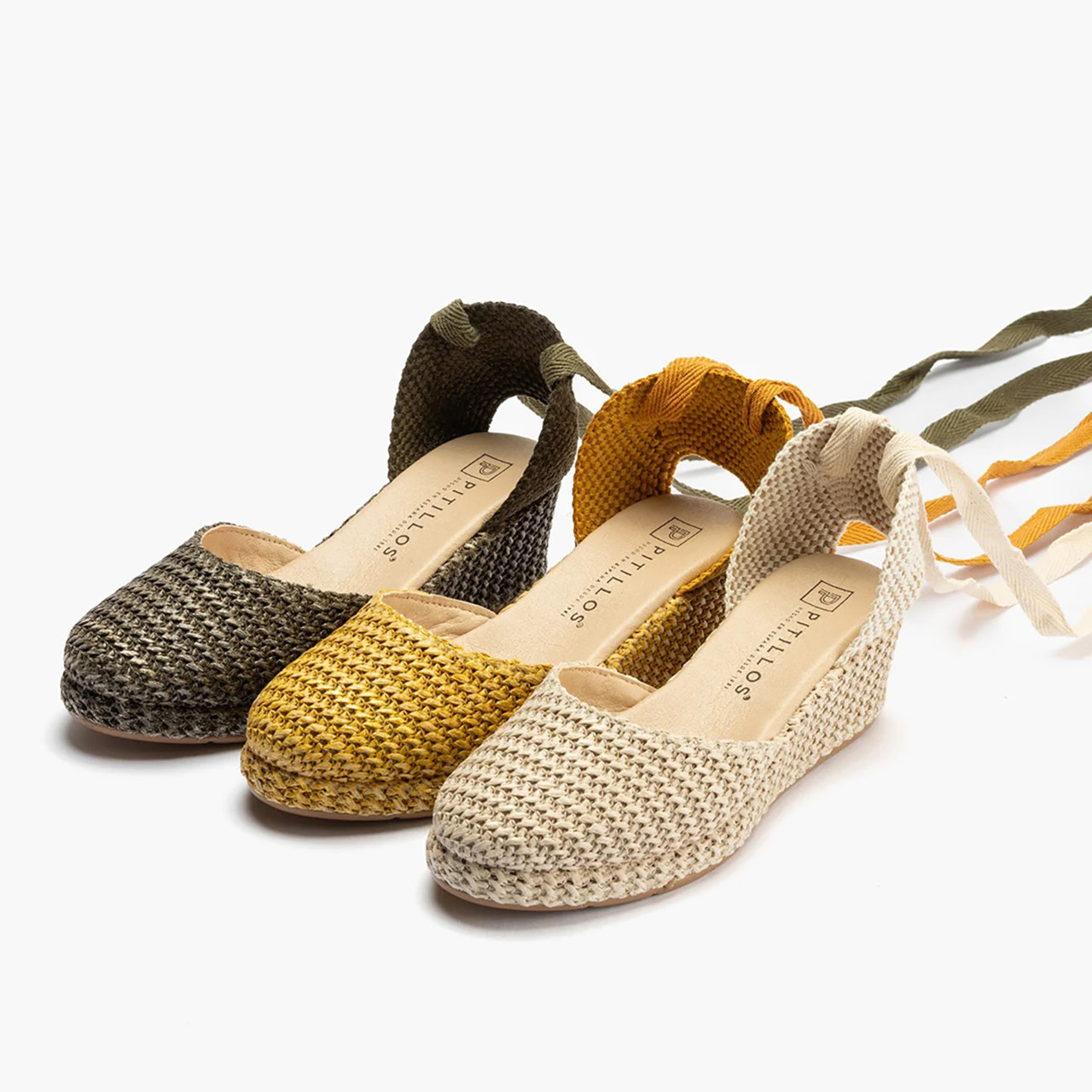
The Spanish brand presents a collection that interprets next season’s trends whilst remaining true to comfort, quality and attention to detail. At the heart of it all is ‘Made in Spain’ craftsmanship.
The Spring–Summer 2027 collection focuses on lightness, soft materials and the Goodyear Reverse construction. Alongside this, Onda: a trainer with an ultra-light, voluminous sole and a multi-layered upper.