The future of leather lies in saving 7.5 million litres of water – an impressive amount equivalent to three Olympic-sized swimming pools or the load of 250 large industrial tankers. This is the calling card of ‘Hearth’, the new sustainable production line launched by Rino Mastrotto with an innovative tanning process capable of reducing water consumption by 91%, chemical use by 23% and CO₂ emissions by 22%.
‘Origini’: the S/S27 collection
Alongside technical innovation, Rino Mastrotto presented the “Origini” collection at Lineapelle. In an era dominated by the artificial and the digital, Origini stems from the need to rediscover the beauty of everyday life and the tangibility of touch. The textures are light, designed to play with light and offer a timeless elegance that invites authentic human connections.
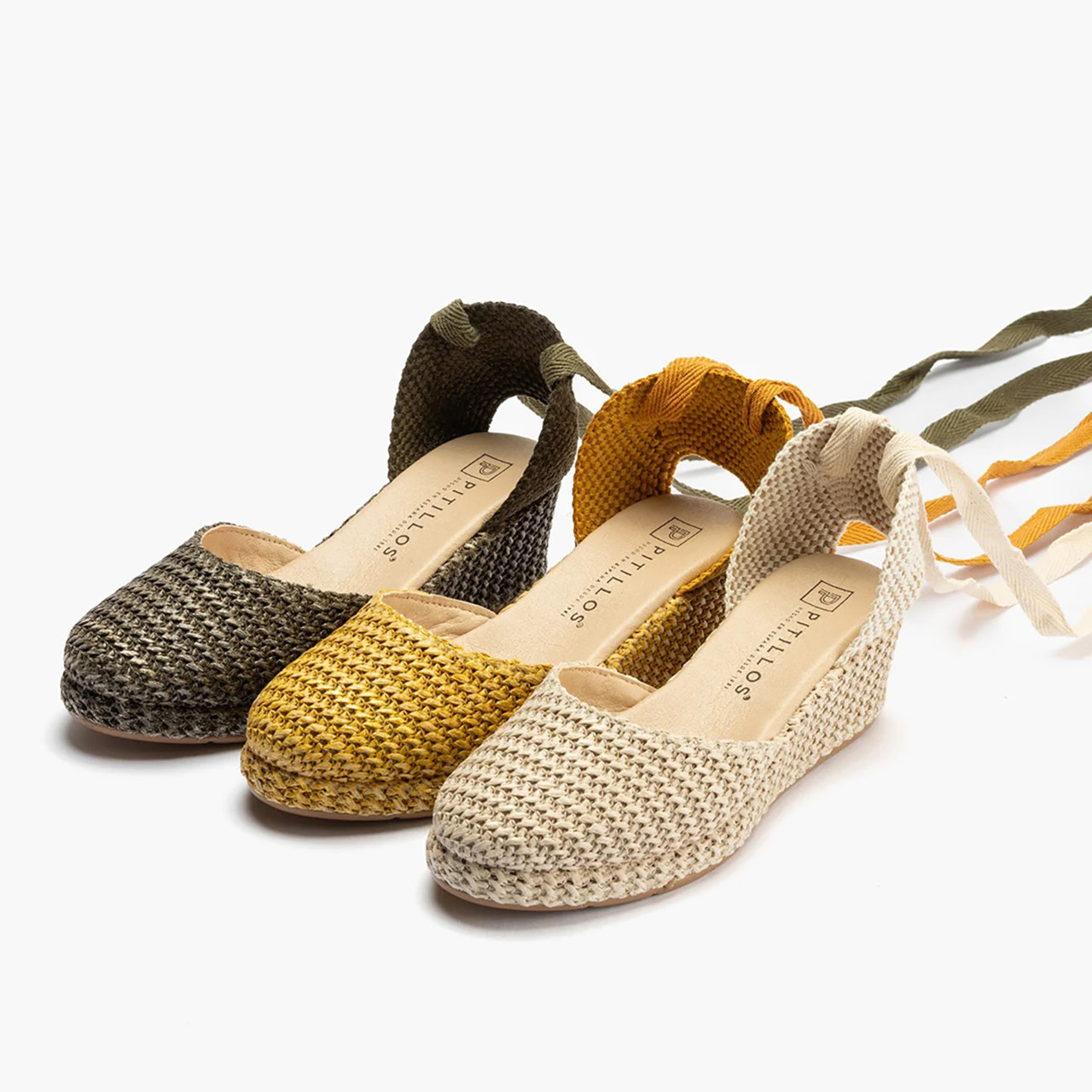
In ‘Origini’, colour becomes a true emotional language: the palette ranges from whites and bleached tones to blues, light blues and greens that represent water. Beige, pink and khaki combine nature with metropolitan dynamism. Browns, traditionally associated with winter, acquire a new softness and sensuality thanks to the summer light, whilst yellows and oranges give the season a vital charge.