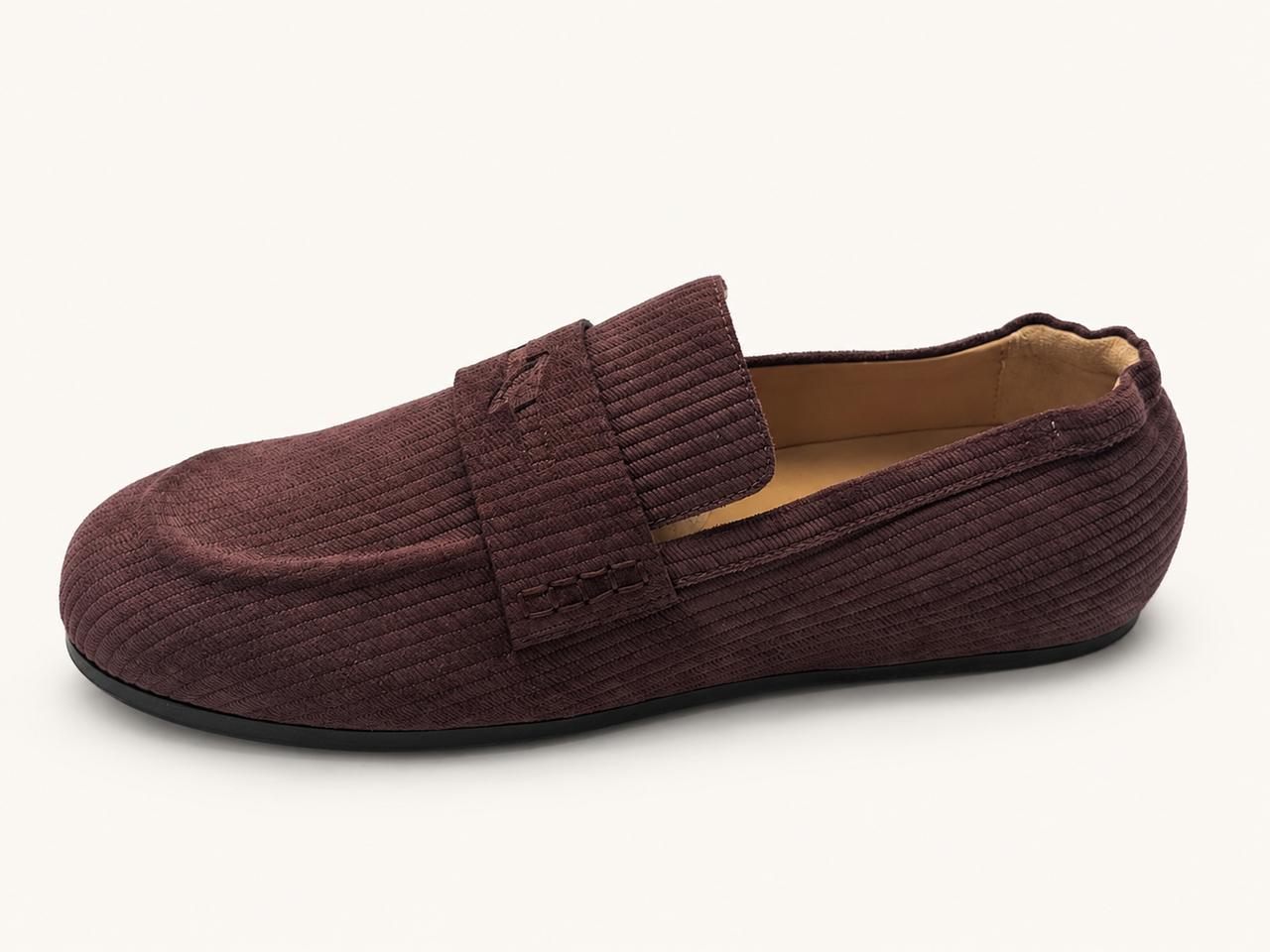
Nike and Hyperice have joined forces to create a wearable technology designed to help every athlete perform at their best during training and competition. Nike, with its expertise in footwear and apparel, and Hyperice, with its expertise in recovery technologies, are pioneering new innovations that push the boundaries and enable every athlete to achieve high performance in warm-up and recovery. The shoe contains a system of Normatec double air chambers connected to heating elements that distribute heat evenly throughout the upper. This combination is designed to bring warmth deep into the muscles and tissues of the foot and ankle to aid movement, performance and recovery naturally and much faster. To this end, athletes who have tested the boot report feeling lighter and freer moving feet and ankles, as if they had already completed the warm-up even before actually starting their usual routine.The warm-up and compression function is initiated at the push of a button and can be activated simultaneously for both boots, or operated independently. Three different levels of compression and warm-up are available, powered by a battery pack located in the midsole of each shoe.