Monkuniverse reimagines walking with its Monk (bare) Foot
Born in the heart of the Veneto footwear district, the project combines high-quality Italian craftsmanship with the deepest Zen philosophy.
Company news Arsutoria
August 2026
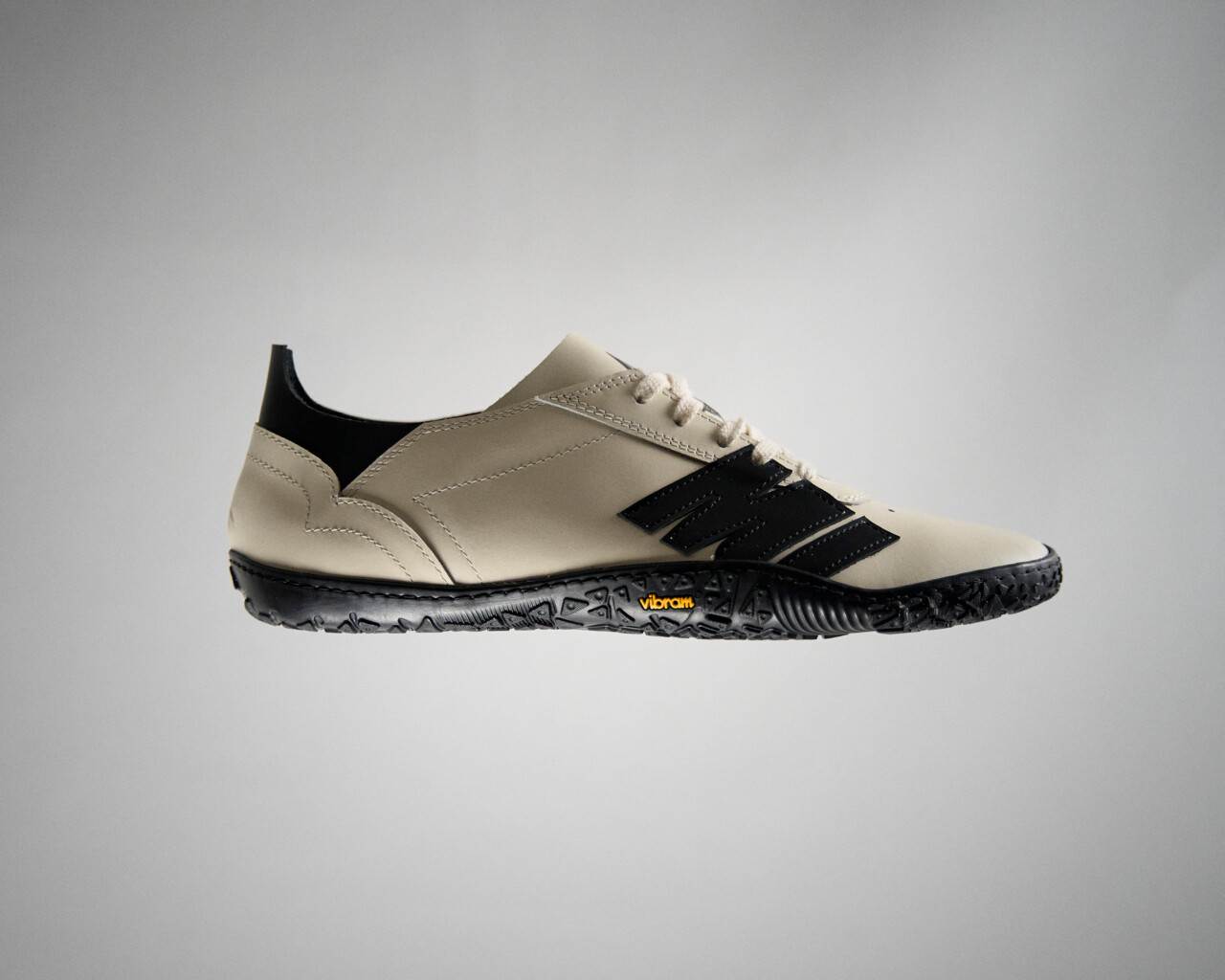
The brainchild of Giacomo Gallina, a fashion and footwear designer with nearly twenty years’ experience in the luxury sector, the launch of the Monk (bare) Foot project sees the brand introduce a lightweight, high-quality shoe, designed to revolutionise the concept of walking in line with the philosophy of emptiness and meditation in motion.
The brand name encapsulates its very essence: ‘Monk’ evokes the figure of the monk, whilst the concept of ‘Mu’ – the answer to an ancient Japanese koan meaning ‘nothing’ or ‘emptiness’ – manifests as a creative force, the true origin of every generative process.
The Monk (bare) Foot project translates this philosophy into a physical experience that simulates walking barefoot, an ancient Zen meditation practice. To recreate the sensation of natural contact with the ground, the shoe features the Vibram FF Cup sole: an ultra-thin shell, just a few millimetres thick, made of ‘zero-drop’ rubber (with no height difference between heel and toe). The extraordinary flexibility of this component is combined with the excellence of Italian craftsmanship. The upper, made from genuine full-grain leather, is stitched directly to the rubber sole, whilst the insole is made from genuine leather. Production is entirely entrusted to a small artisanal shoe factory in the Veneto region, a guardian of the ‘Made in Italy’ tradition.
The Jinjiang-based Chinese group, which has been an ODM for GEOX, Skechers and Jack Wolfskin for thirty years, is opening its first customs logistics park in Quanzhou. Two hundred thousand square metres, AI-powered sorting, eighteen European warehouses: the Chinese footwear industry is reinventing itself.
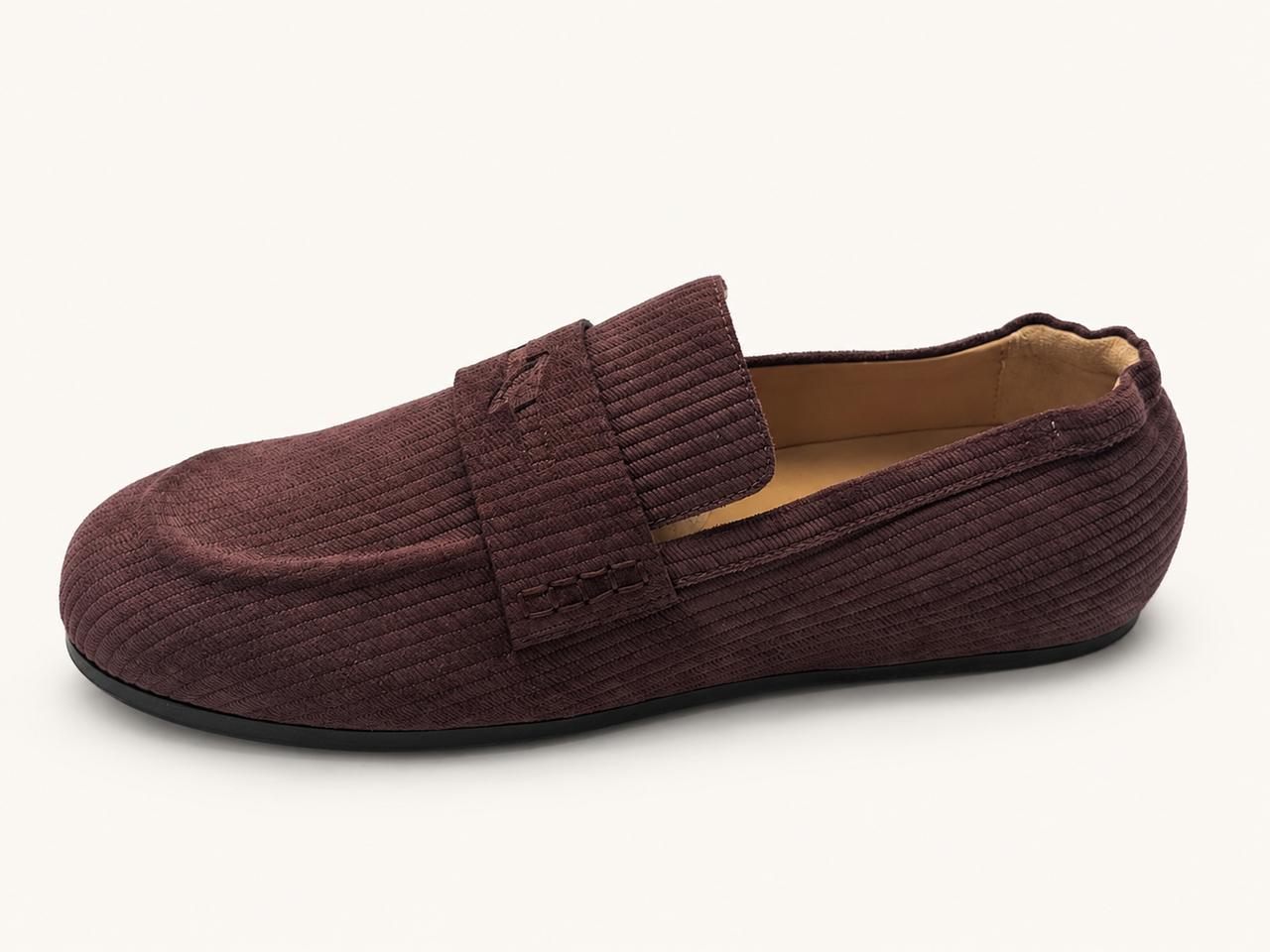
The brand, founded between Italy and Dubai, ventures beyond the world of trainers for the first time with ‘Linea’, the first loafer in a collection that redefines the concept of imperfection.
The ZDHC framework covers textiles, leather and plastics, but not metal: for years, the accessories supply chain has been responding to written requests intended for other processes. Led by the Physis Consortium, the first list of restricted substances for electroplating was drawn up at the end of 2025.