


The future of supply chains is autonomous
According to a study by Accenture, a leading mutinational in strategic consulting and technology services, artificial intelligence is redesigning efficiency, resilience, and sustainability.
Keep reading...
April 2026
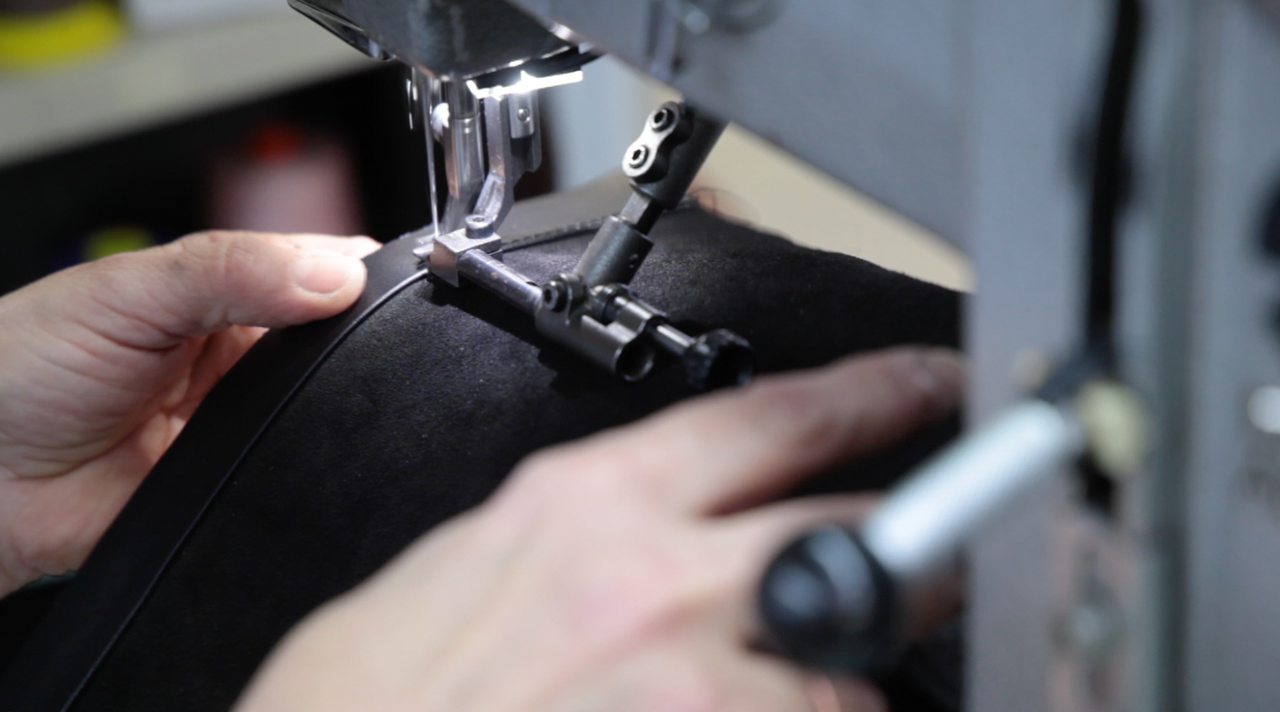
The first international project, which brings the three most promising talents to Italy for an immersive internship at the Tuscan companies Tamerice and Sapaf, has been successfully completed.
The first international strategic partnership project between Assopellettieri and MITA Academy, created to promote artisanal excellence and specialist training in the leather goods sector, has entered its final phase. Following training in Nairobi, which involved 38 young aspiring artisans, the three most deserving students arrived in Italy to undertake a three-week internship, running until the end of April, in the Tuscan leather goods district.
Conceived by Assopellettieri and managed from a technical and educational perspective by MITA, the programme took place between August and December 2025 at the Salesian Technical Institute ‘Don Bosco Boys Town’ in Nairobi, involving 38 participants in 13 training modules covering all stages of the leather goods development and production process: from design to cutting, from skiving to dyeing, right through to quality control. Fundamental to the project’s success was the contribution of Vivienne Westwood, who has been collaborating with the Ethical Fashion Initiative in Kenya since 2010 on the establishment and development of an ethical supply chain for the production of accessories, involving over 2,600 artisans.
As envisaged from the very launch of the initiative, the programme does not stop at on-site training, but extends to Tuscany, where the three most deserving students undertook a training placement at two companies affiliated with Assopellettieri, both characterised by a highly artisanal approach and a fully integrated production process: Tamerice and Sapaf.
“With this initiative, we wish to reaffirm that training is the beating heart of the future of Italian leather goods,” says Claudia Sequi, President of Assopellettieri. “Passing on skills means ensuring continuity, but also innovation and inclusion. The experience in Kenya demonstrates how Italian know-how can engage with new contexts, enriching itself and generating concrete opportunities for sustainable development.”
“The experience in Kenya represents an innovative and highly valuable model,” comments Riccardo Braccialini, Director and Past President of Assopellettieri. “We have transferred skills to highly motivated young people and are now ready for the next step. These internships are a true bridge between cultures and an investment in the future of leather goods as a driver of sustainable development.”
According to a study by Accenture, a leading mutinational in strategic consulting and technology services, artificial intelligence is redesigning efficiency, resilience, and sustainability.
Keep reading...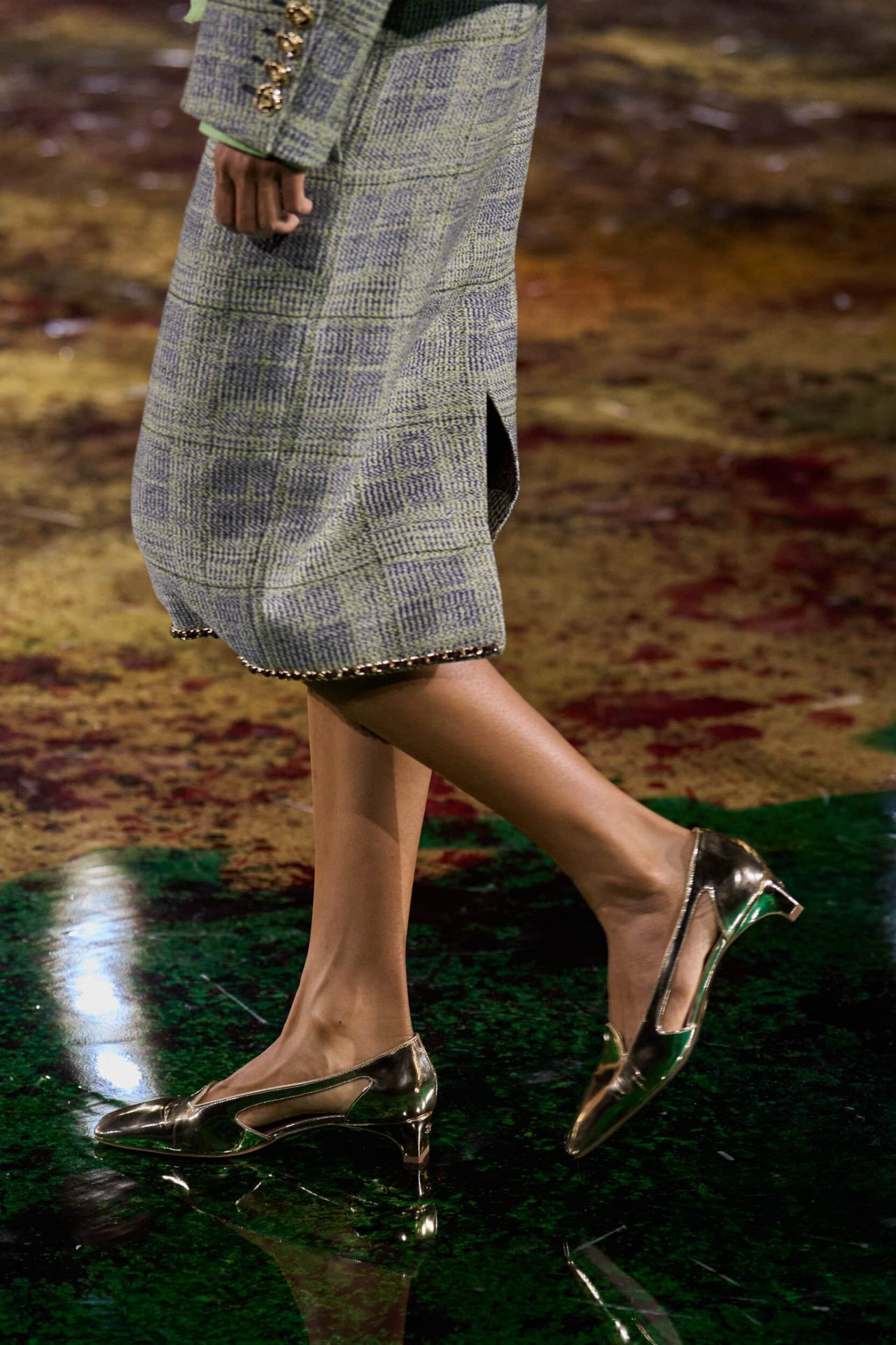
The global high-end market is holding at €1.5 trillion, but production volumes are declining, unit values are rising, and the pursuit of durability is gaining ground. The cross-analysis between the 25° Altagamma Observatory and the surveys of Assocalzaturifici and Assopellettieri outlines the route for Italian manufacturing towards 2027.
Keep reading...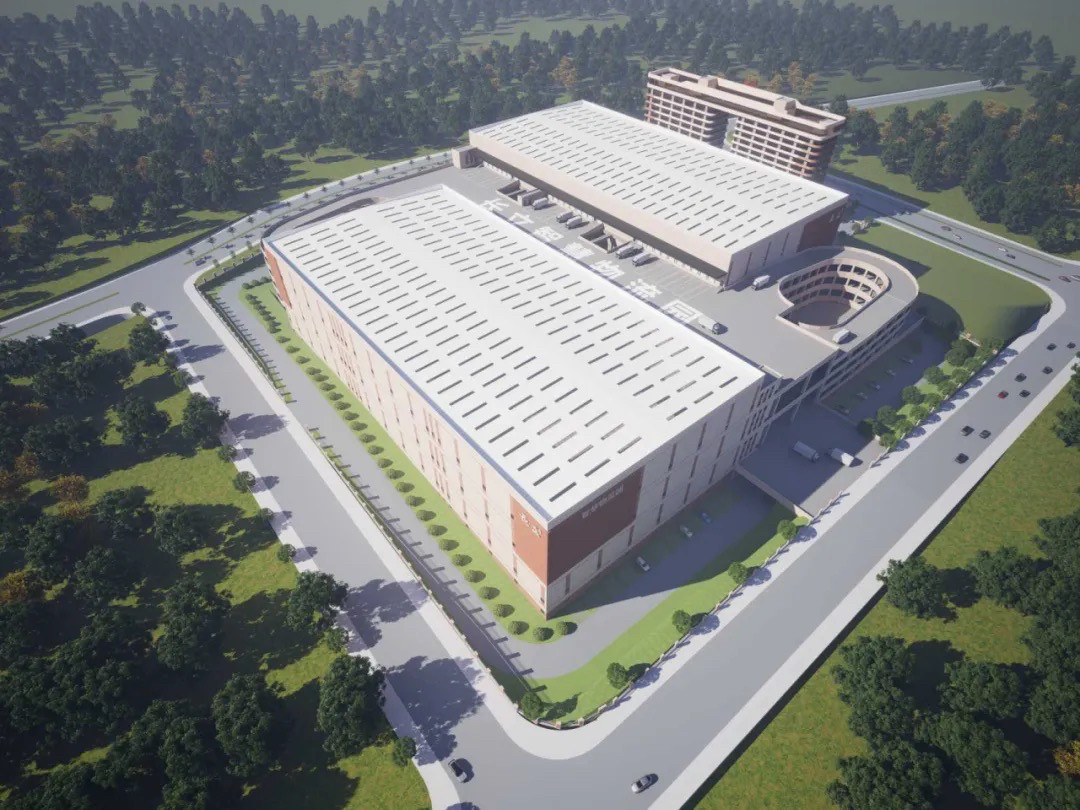
In Jinjiang, during the 14th Global Footwear Sustainability Summit, Changli Group unveiled its 200,000-square-metre logistics complex, due to become operational in 2027, and signed an agreement with SF International to measure the emissions of every footwear consignment.
Keep reading...You must login to read this free content
This content requires a subscription to view. Are you already a subscriber? Sign in