Kyaia, Portuguese tradition and circular vision: contributing to the BioShoes4All project
The Guimarães-based group, with its six brands and an integrated supply chain ranging from production to retail, is participating in a large consortium of 70 partners to accelerate the transition of footwear towards the bioeconomy.
Company news Arsutoria
December 2025
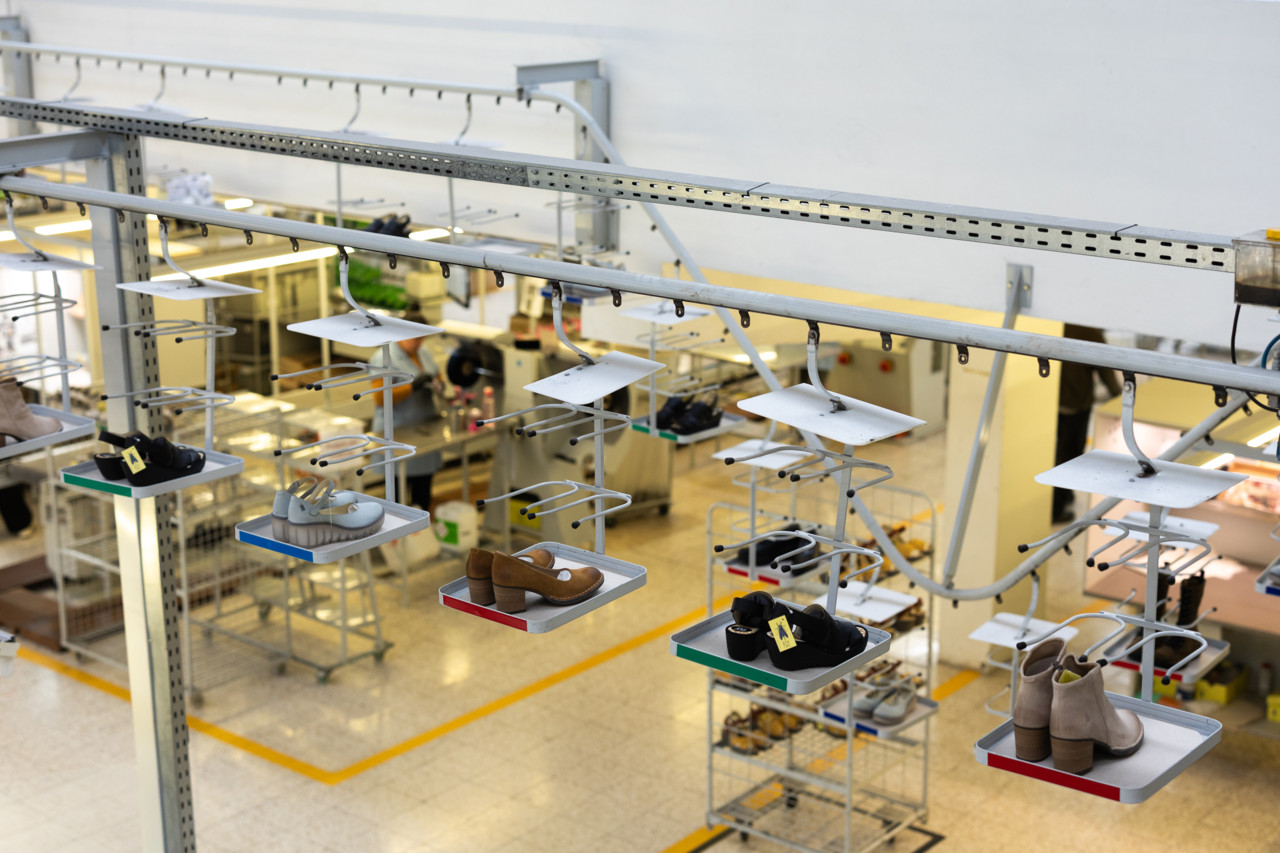
During the “Welcome to the industry of the future!” conference promoted by APICCAPS, a visit was also made to Kyaia, one of Portugal’s leading footwear groups. Although it did not take part in the FAIST project, Kyaia was part of the Bioshoes4all programme, another important project, which has just been completed, that aimed to revolutionise the world of Portuguese footwear production by promoting the adoption of sustainable materials.
It is fair to say that there is a common thread linking the cork used in Asportuguesas flip-flops to the robotisation of a pilot line for eco-products: it is called strategic consistency. The Kyaia Group seems to have turned it into a method. Founded in 1984 in Guimarães, the company has built an ecosystem that goes far beyond shoe production, integrating distribution, retail, real estate and information technology. Today, it exports to over 70 countries with brands such as Fly London, Softinos, Foreva and Fred & Frederico.
Participation in the BioShoes4All project represents the natural evolution of this vision. The programme, coordinated by CTCP and led by APICCAPS, brings together 70 partners, including companies, research centres and universities, with a total investment of €72.7 million and €41 million in funding. The goal is ambitious: to steer the entire Portuguese footwear supply chain towards the bioeconomy and the circular economy.
For Kyaia, involvement has meant working on biomaterials and solutions for the valorisation of production residues. It is not just theory: the project involves the implementation of industrial pilot lines and the development of advanced technologies such as automation, robotisation and recycling. A process that will be completed by the end of 2025, but whose effects promise to redesign the very way we conceive of shoes.
The Trissino-based group presents a production process that drastically reduces water consumption and a new S/S 2027 collection that celebrates the authenticity of the material.
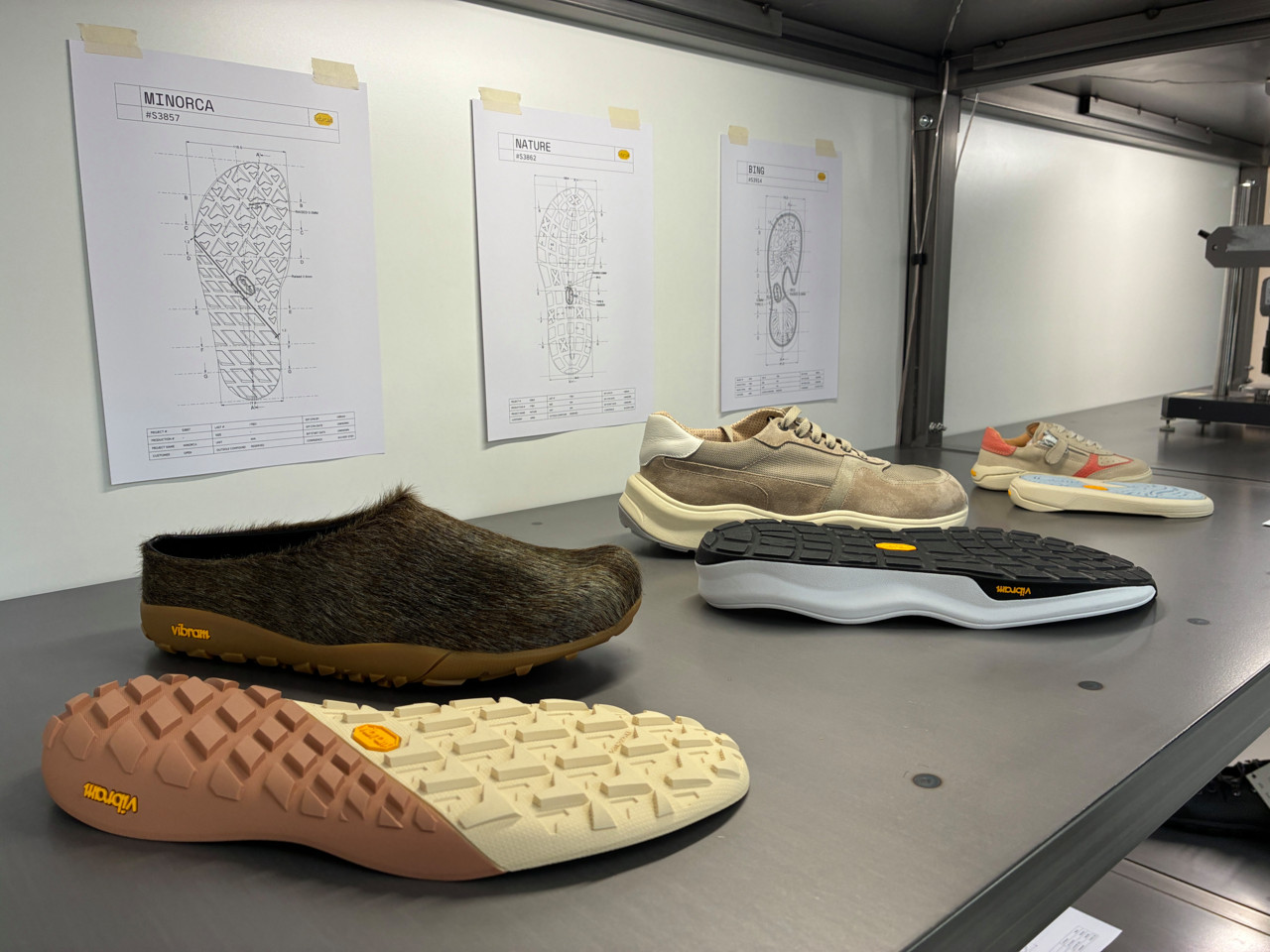
With its SS27 collection, Vibram redefines the concept of the minimalist sole: less structure, more freedom. Barefoot living leaves the mountain trails behind and takes to the city streets.