
The latest from Fainplast. Circularity for EVAtech, injector efficiency with Screwshine 101
The development of Fainplast’s solutions for the footwear sector focuses on its flagship product and a brand-new innovation.
Keep reading...
EVA and TPU together in cutting-edge soles thanks to innovative moulding technologies.
April 2025
Gruppo Meccaniche Luciani specialises in the moulding of EVA products, the design and production of moulds, dies and technical tools for footwear and leather goods. Some of the innovations that the company from Corridonia (MC) presented at the last edition of Lineapelle were very interesting.
Such as the DENZEL shoe, which originated as a project of the NON METAL Business Unit of the Minerva Hub group, also present at the fair in Milan.
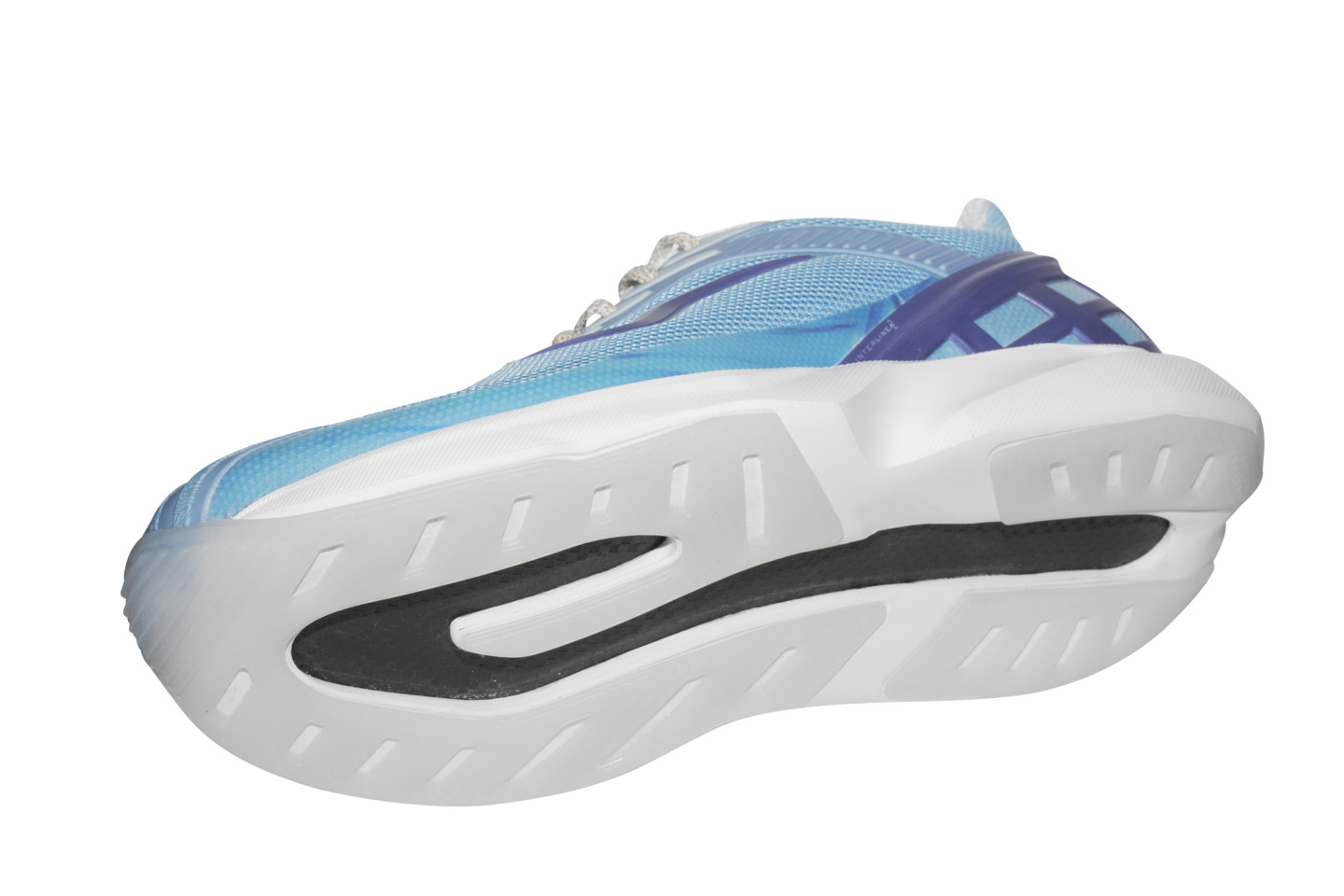
Designed for running, it has an upper moulded using controlled TPU casting technology made by the company Interlinea 2 of Altivole (TV), flanked by other models in TPU by SP Plast of Grottazzolina (FM) and in High Frequency made by New and Best of Barletta.
The sole – designed by Gruppo Meccaniche Luciani, which has specialised in moulding EVA and TPU in recent years – is moulded in ultra-light and ultra-soft EVA, to which a thin layer of TPU is added, thanks to cutting-edge moulding technologies. In the centre, a nylon shank from SP Plast guarantees elastic return during the athlete’s stride.
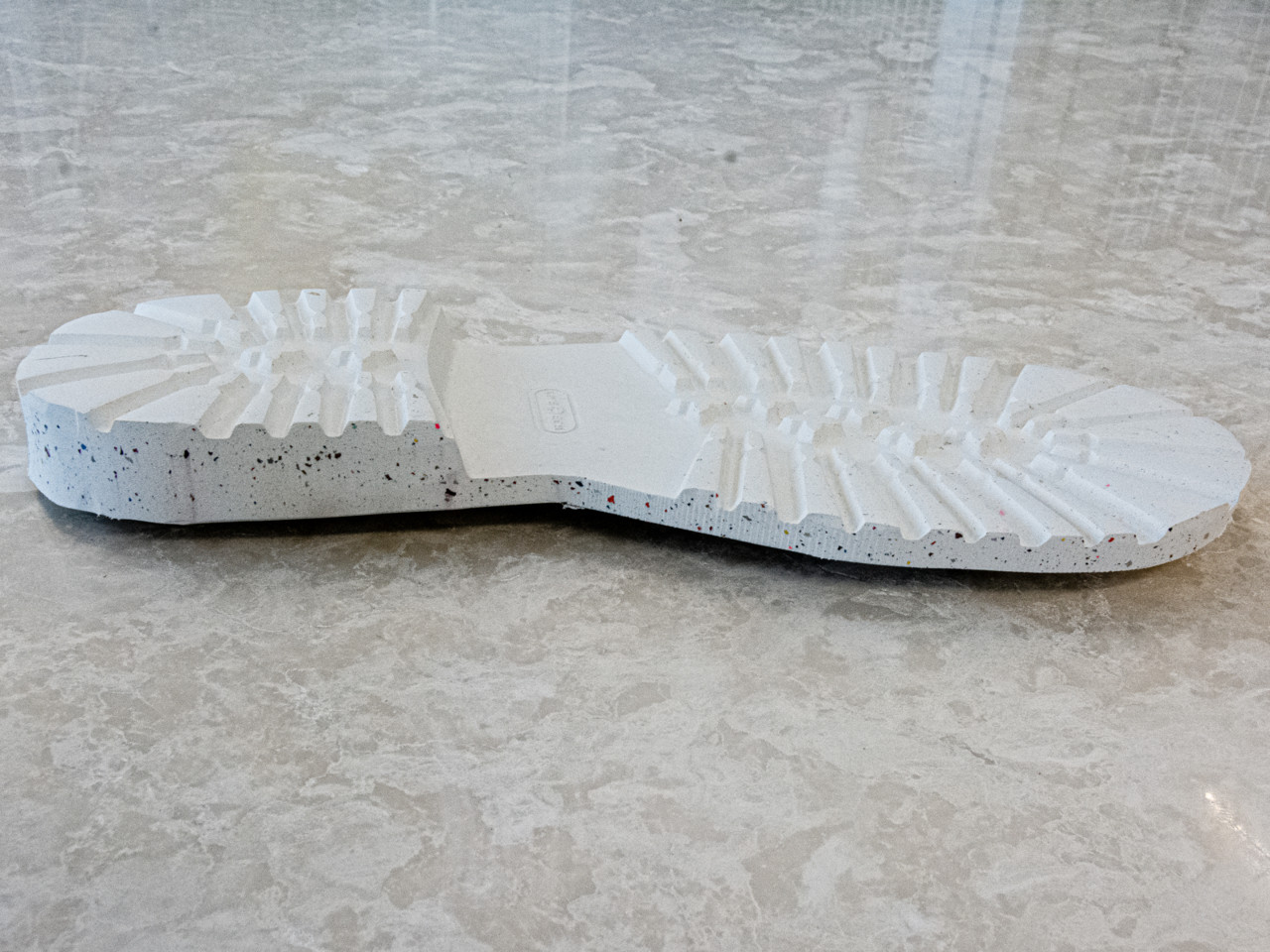
The photo showing only the sole displays TRAVIS, a simplified version of the DENZEL, again in super-light EVA and with thin orange, honey and milk TPU inserts.
It is the mix of innovative materials that makes DENZEL and TRAVIS truly interesting and technologically advanced products.
The development of Fainplast’s solutions for the footwear sector focuses on its flagship product and a brand-new innovation.
Keep reading...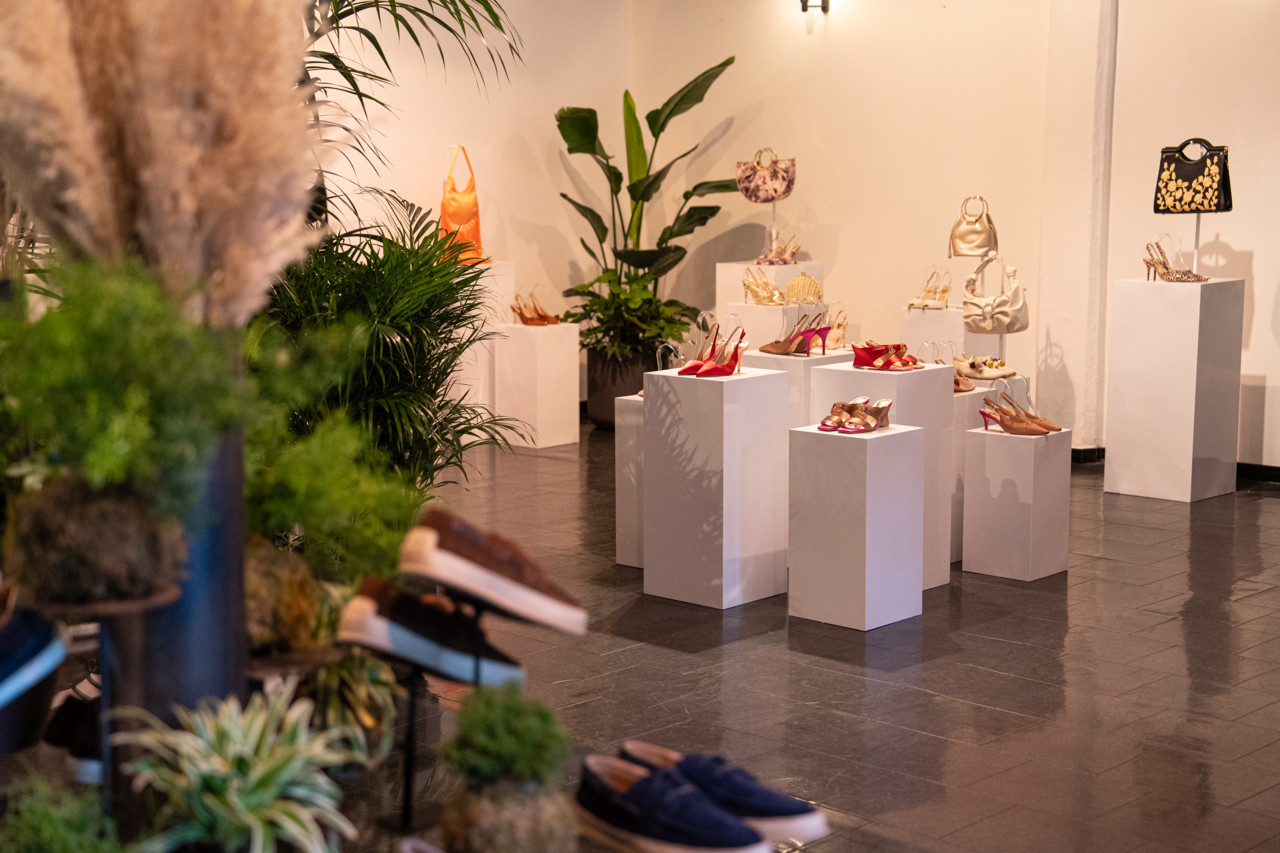
For Spring/Summer 2027, the Women’s Collection focuses on sculptural heels and couture materials, whilst the Men’s Black Label collection embraces a Mediterranean casual style. The collections were presented at the historic Luciano Soprani showroom at 30 Via Morosini in Milan.
Keep reading...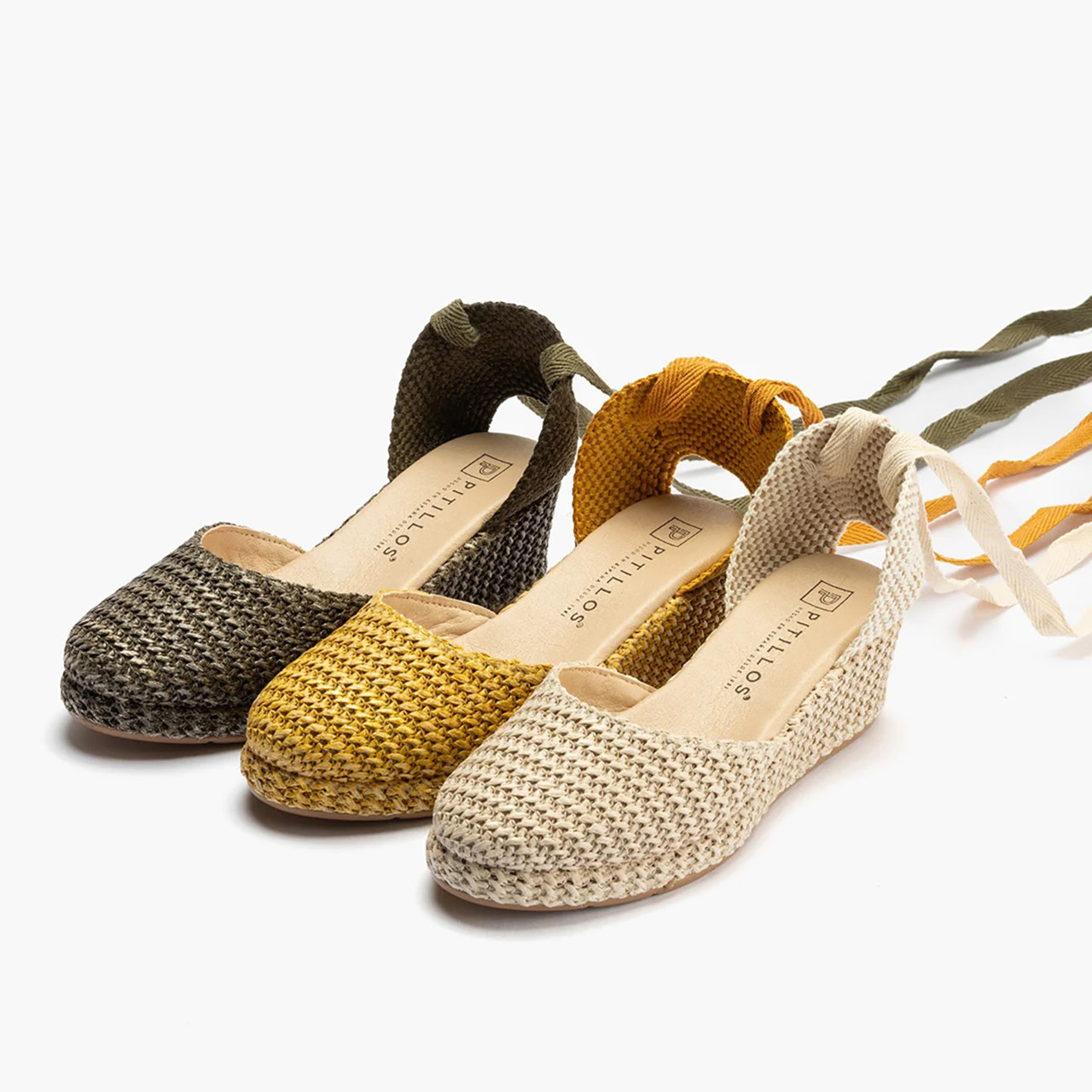
The Spanish brand presents a collection that interprets next season’s trends whilst remaining true to comfort, quality and attention to detail. At the heart of it all is ‘Made in Spain’ craftsmanship.
Keep reading...You must login to read this free content
This content requires a subscription to view. Are you already a subscriber? Sign in