Innovating together, the watchword for the future of Italian technology
Flash news
June 2025
Aggregation, innovation and resilience: Assomac's general assembly scheduled for 20 June aims to launch an appeal for a common European strategy. A clear message from Bergamo's Kilometro Rosso to face global challenges.
Cristiano Paccagnella
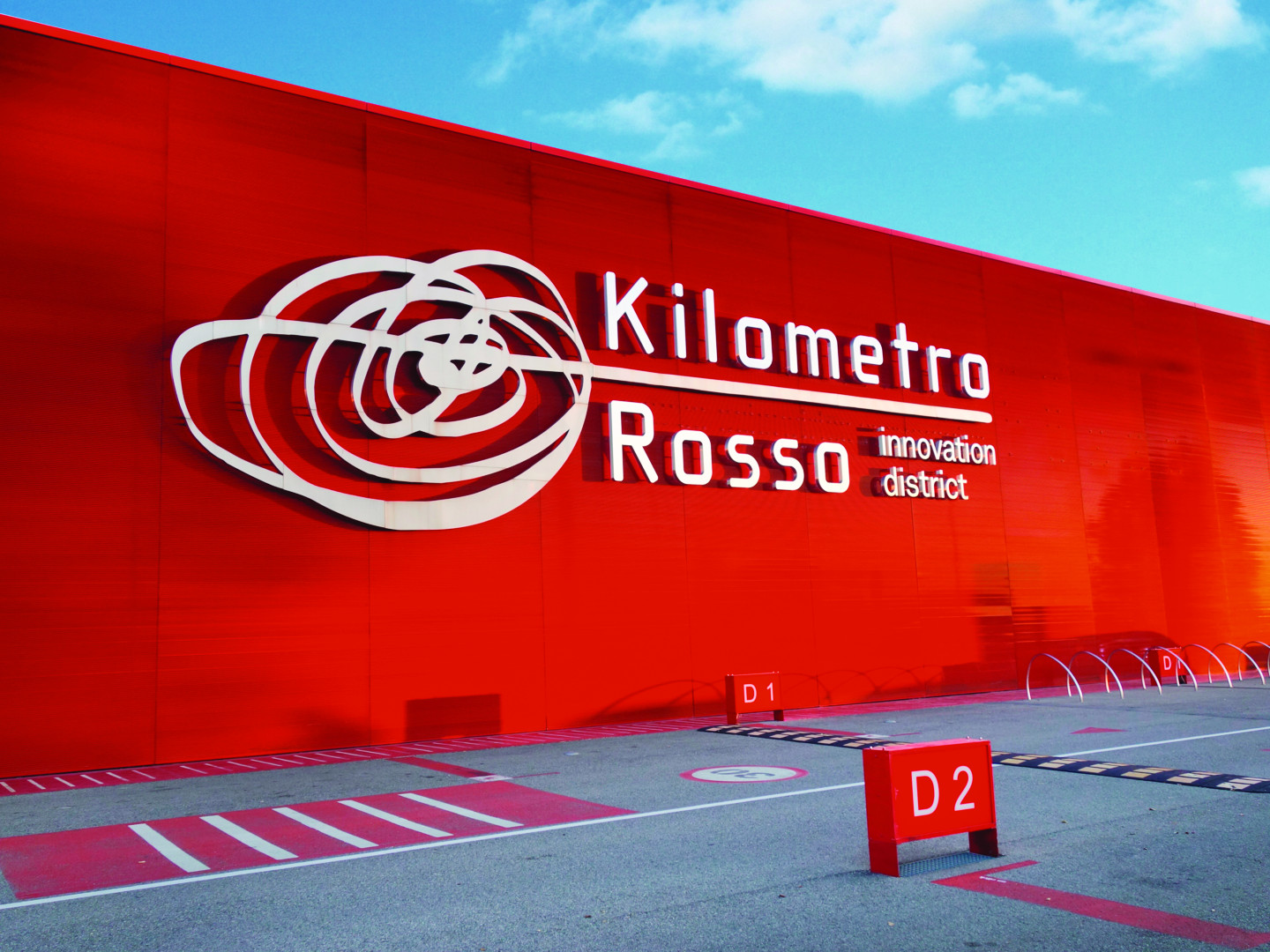
“Kilometro Rosso is not simply a place, it is a metaphor for innovation”. This is how Cristiano Paccagnella, vice-president of Assomac, opens his thoughts on the future of Italian manufacturing in the footwear, leather goods and tanning technology sector. Assomac’s general assembly, scheduled for 20 June 2025 (the program) and entitled ‘Growth, collaboration and innovation for the European fashion industry’, will be held in a highly symbolic location to talk about growth, collaboration and innovation.
In a complex and competitive international scenario, the ability to anticipate changes and interpret market dynamics becomes crucial. “We technology manufacturers have always been involved in innovation,” says Paccagnella, emphasising how Kilometro Rosso represents this vocation for research and technological progress.
However, Italian manufacturing, recognised globally for its ability to innovate, now faces new challenges: the international economic context requires a shared and structured strategy more than ever. Internationalisation, innovation and strategic alliances become essential keywords. “It is time to look beyond the personal interests of individual companies. What is needed is a strong and integrated network between companies,” Paccagnella continues, pointing out that collaboration is not only desirable, but necessary.
The average size of Italian companies, while excellent in production and innovation, remains small globally. This condition, explained the Vice President, “does not allow us to tackle all the challenges we face effectively. Hence the importance of collaboration and co-innovation, central themes of the Assomac assembly.”
Indeed, aggregation between companies allows access to new skills, advanced technologies and emerging markets. It is imperative to reiterate the urgency of creating structured groups: “In addition to innovative and quality products, today our customers expect services that are more timely, more precise, and capable of grasping new trends, from artificial intelligence to big data.” All this, adds Paccagnella, “can only be achieved with true collaboration, a business network between associates.”
Assomac, which represents more than 130 companies operating in more than 130 countries, is an active spokesperson for these instances, committing itself to promoting and enhancing Made in Italy technological excellence at European decision-making tables. “Our role,” Paccagnella concludes, “is to advance the concept of aggregation and innovation as strategic levers to ensure resilience and sustainable growth.”
The assembly on 20 June therefore represents a long-awaited and crucial moment to define new strategies and strengthen the dialogue between companies, institutions, stakeholders and the academic world. At the heart of the discussion is the clear and determined will to face global challenges with a united and authoritative voice, thus guaranteeing the future of Italian manufacturing in the global competitive landscape.
The global high-end market is holding at €1.5 trillion, but production volumes are declining, unit values are rising, and the pursuit of durability is gaining ground. The cross-analysis between the 25° Altagamma Observatory and the surveys of Assocalzaturifici and Assopellettieri outlines the route for Italian manufacturing towards 2027.
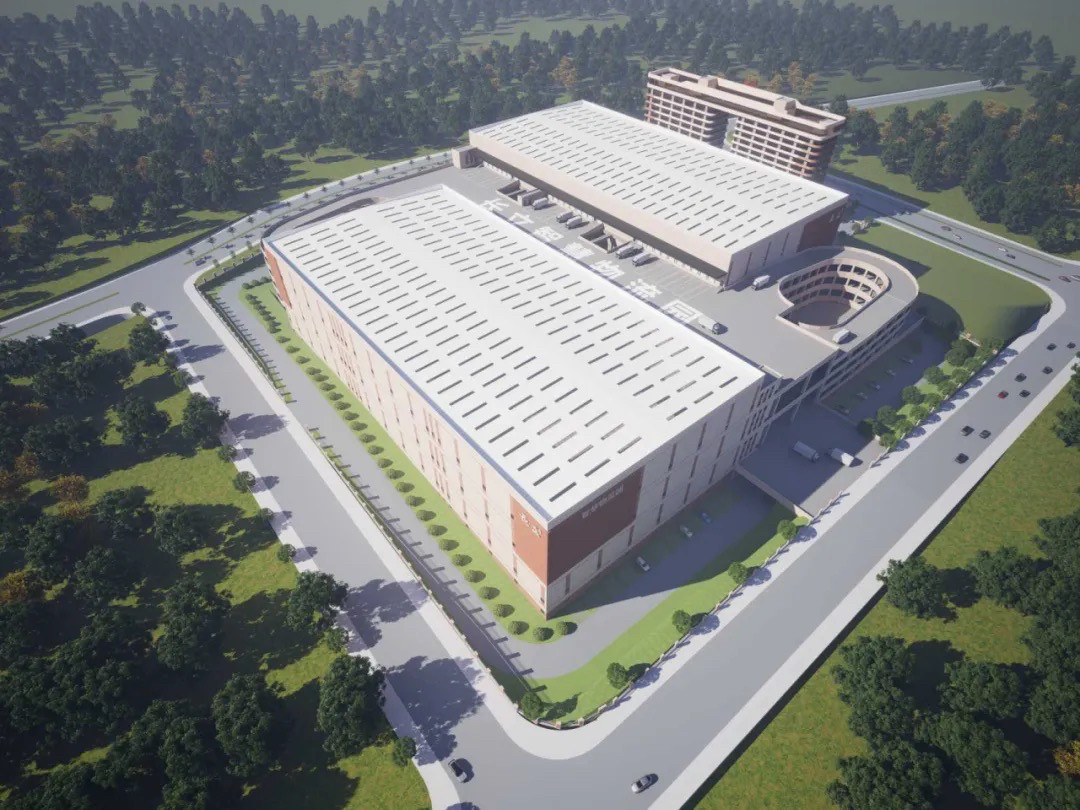
In Jinjiang, during the 14th Global Footwear Sustainability Summit, Changli Group unveiled its 200,000-square-metre logistics complex, due to become operational in 2027, and signed an agreement with SF International to measure the emissions of every footwear consignment.
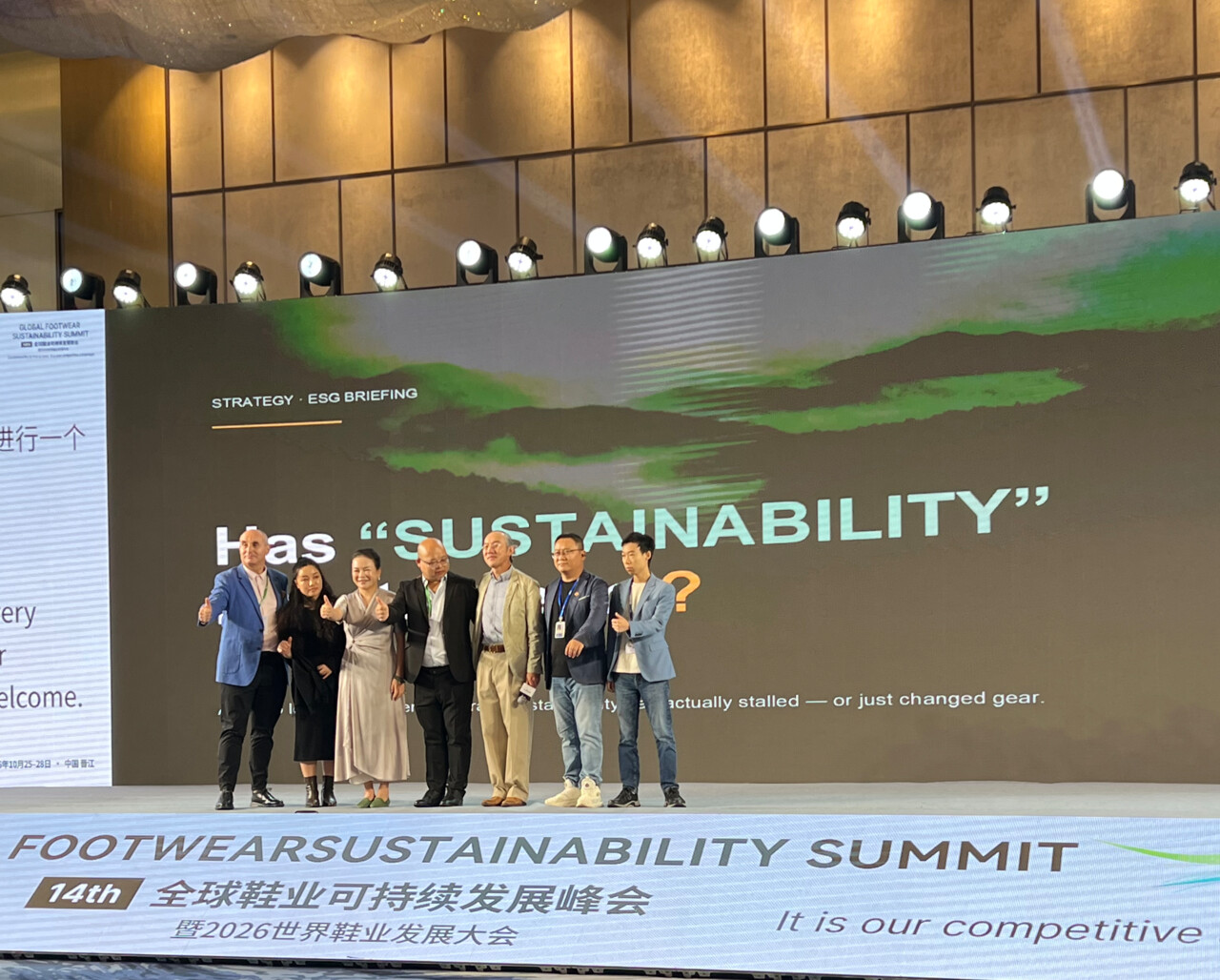
At the 14th Global Footwear Sustainability Summit, it became clear that sustainability is measured in terms of costs, industrial scale, data and the ability to collaborate. Materials, digital technology and the dialogue between Europe and Asia were among the key themes.