Geoff Holmes appointed new IULTCS President for 2026–2027
Flash news
January 2026
The Director of the New Zealand Leather and Shoe Research Association has been appointed to head the international association of leather chemists (LASRA)
The International Union of Leather Technologists and Chemists Societies (IULTCS) has appointed Geoff Holmes as its new President for the two-year period 2026–2027. Holmes has worked for over twenty years at the New Zealand Leather and Shoe Research Association (LASRA), the New Zealand leather and footwear research association, where he is currently Director.
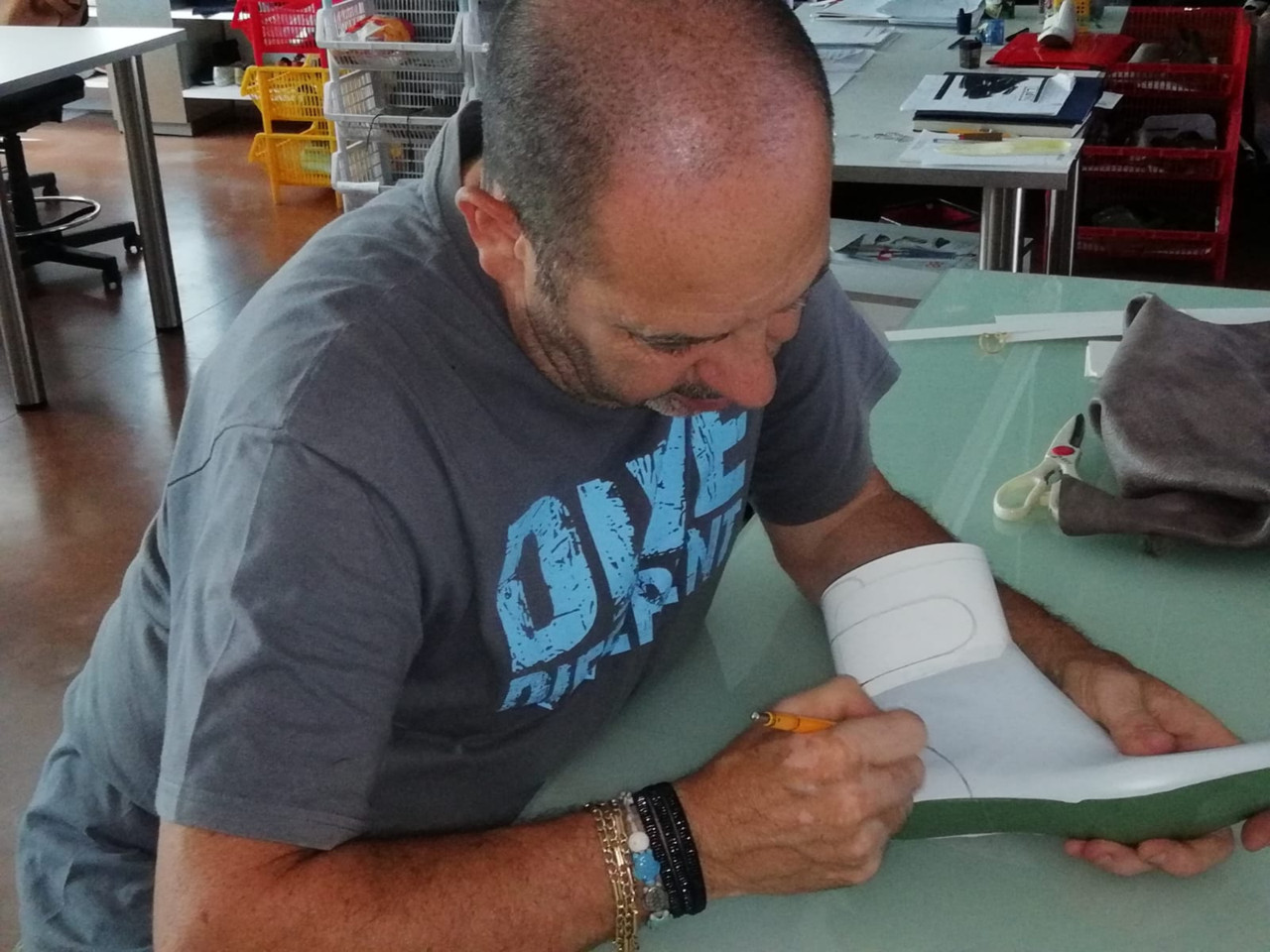
Geoff Holmes
In his inaugural message, the new President of the international body, which brings together around 3,000 chemists and leather researchers from 25 different national associations, described the role as an honor and a great responsibility, reiterating the central role of national associations in ensuring the strength and credibility of the IULTCS globally. According to Holmes, training, scientific research, publications, communication, and promotion of the tanning industry remain the pillars of the Union’s activity.
Holmes thanked outgoing President Dr. Joan Carles Castell for his contribution, particularly in the field of ISO and CEN standardization, and welcomed new Vice President Dr. Giancarlo Lovato. Looking ahead, Geoff emphasized the importance of open and scientifically rigorous debate to maintain the IULTCS as an authoritative and forward-looking voice.
The footwear market is cooling, driven by a complex international economic climate and a profound shift in consumer tastes, as people grow weary of mass-produced minimalism. : how loafers and heels are reshaping fashion for the over-30s
In the first half of 2026, turnover fell by 2.5 per cent and production by 4.6 per cent. Europe holds steady, whilst the Middle East slumps. 1,884 jobs were lost in six months – more than in the whole of 2025.
In the first half of 2026, the German footwear and leather goods industry remained stable, albeit at low levels. Amid price rises linked to the war with Iran and new European waste regulations, Italy saw a decline in volumes but maintained its value.