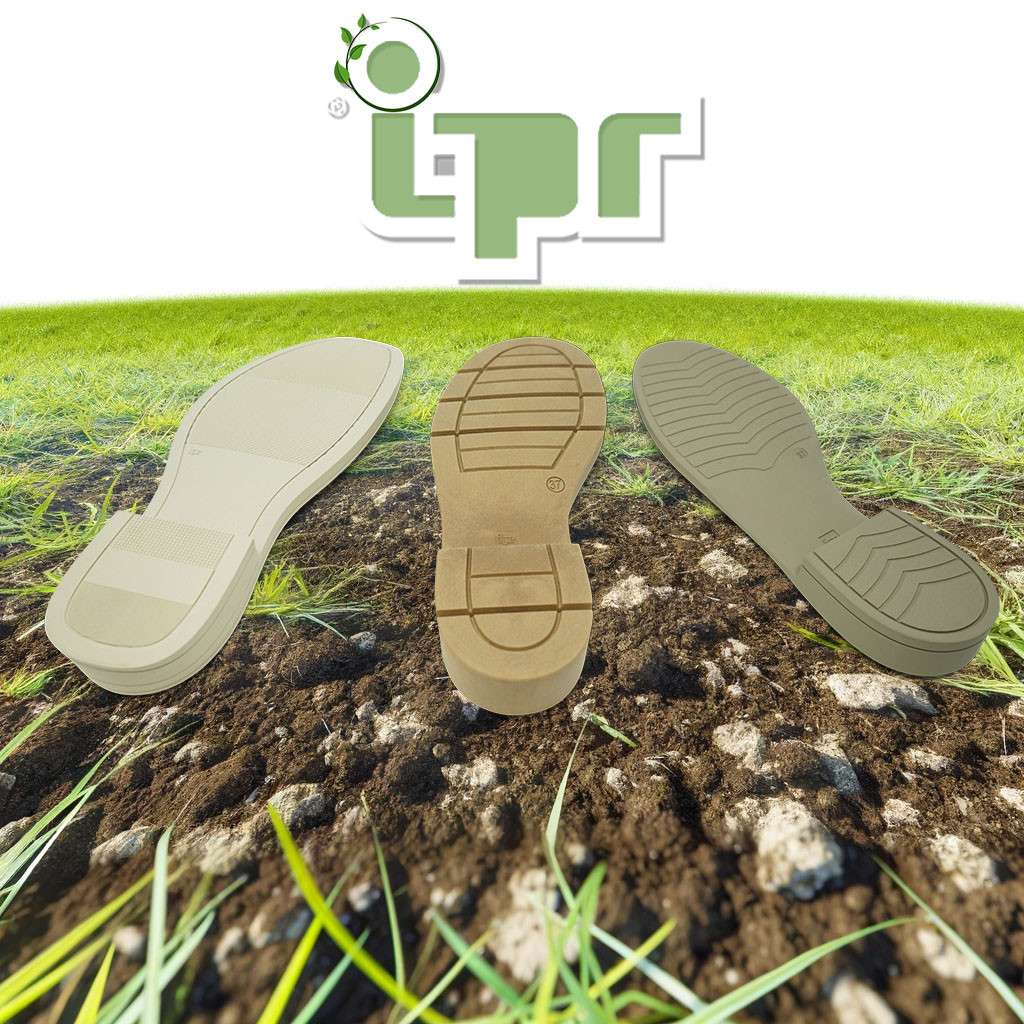
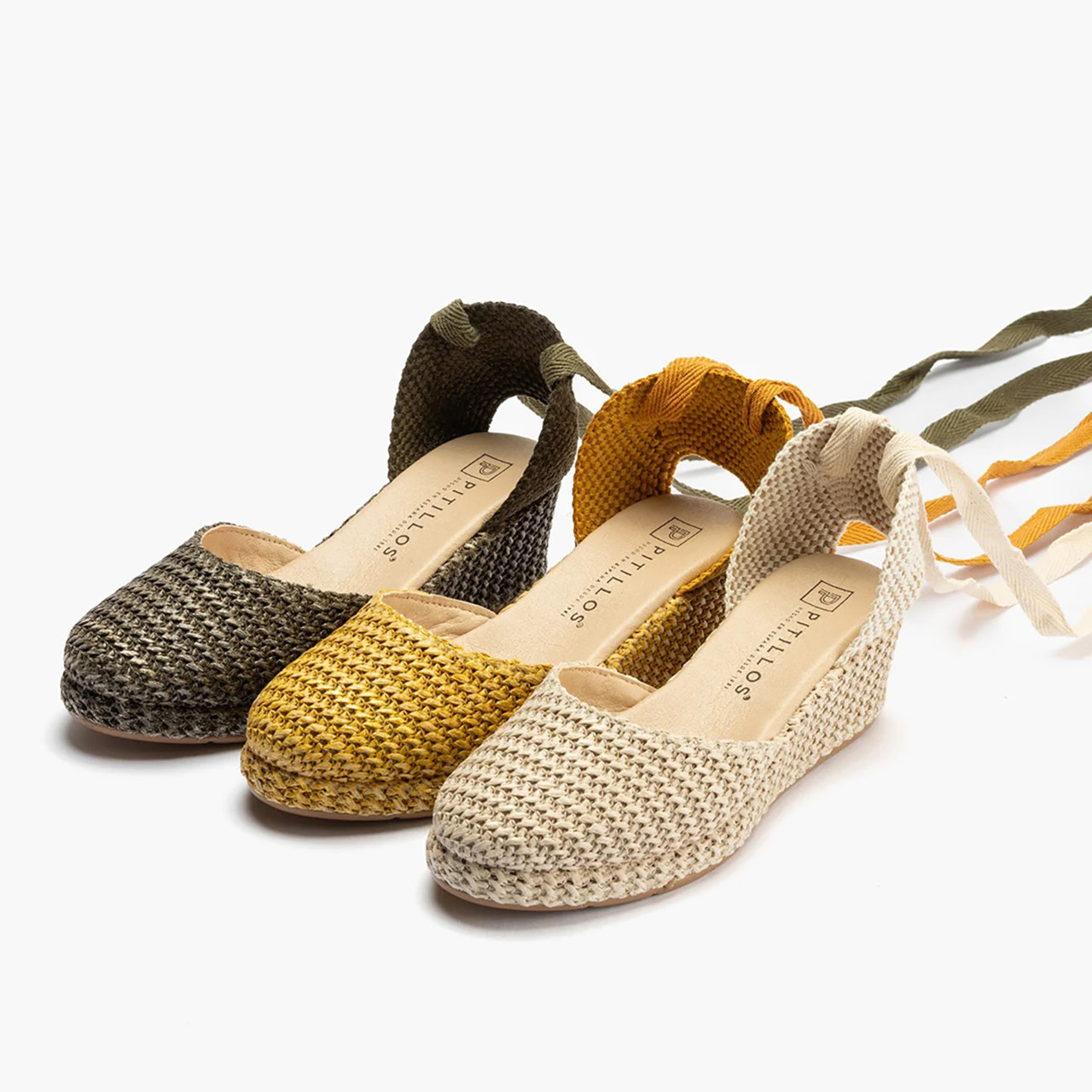
In the footwear industry, the adoption of innovative materials such as TPU, PU and recycled materials is revolutionising the market. These materials not only improve the quality of footwear, ensuring durability, flexibility and lightness, but also promote environmental sustainability. IPR is distinguished by the use of these advanced technologies, which allow for more efficient and customised production, contributing significantly to the reduction of environmental impact.
Innovative technologies and materials such as TPU (thermoplastic polyurethane) offer excellent durability and deformation resistance and are ideal for soles and other critical components. PU (polyurethane) is known for its lightness and strength, so it is used to create comfortable and durable shoes. In addition, the use of recycled materials from industrial or post-consumer waste helps reduce the overall environmental impact of the shoe production cycle.
Sustainability is not only an environmental necessity, but also a competitive advantage. IPR S.p.A. knows this and invests in sustainable materials and environmentally friendly production processes that meet the growing expectations of consumers and contribute to raising the value of a brand.