

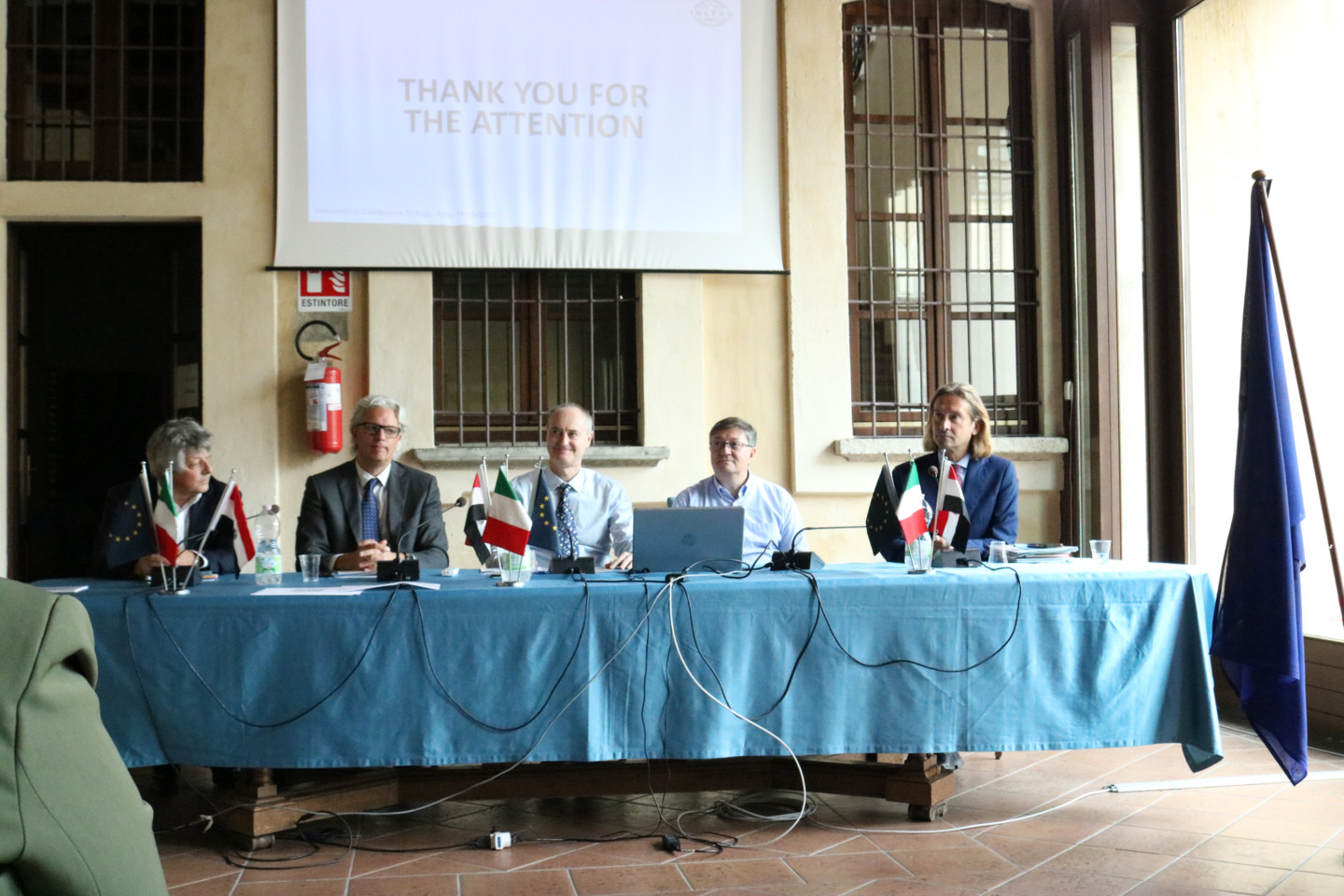
Robbiki Leather City: the Egyptian mission concludes in Turbigo
A Conference and the Signing of a “Memorandum of Understanding” to strengthen collaboration between Italy and Egypt in the leather industry
Keep reading...
April 2025

Values being developed for clothing and footwear do not take into account the durability of leather and end up favoring synthetics
On April 9, COTANCE officially announced its withdrawal from the Technical Secretariat (TS) for the definition of the Category Rules on the Environmental Footprint of Apparel and Footwear Products (PEFCR). A decision, that of the European tanning federation, motivated by the fact that the rules the table is developing to calculate the carbon footprint do not take into account the durability parameters of natural materials and end up favoring synthetics.
Despite months of engagement with the TS —presenting fact-based arguments, proposing solutions, and forming a global coalition of natural material stakeholders—COTANCE regrets that no revision was permitted to the default durability values adopted in the Apparel & Footwear PEFCR. They disproportionately impact slow-fashion products made with natural materials—such as leather, wool, and cotton—ultimately encouraging brands to deselect them in favour of less sustainable alternatives.
The COTANCE Board has therefore decided to disengage the European leather industry from the A&F PEFCR.
“We joined this process in good faith to build a fair and science-based environmental framework for fashion – explains Gustavo Gonzalez-Quijano, Secretary-General of COTANCE -. Instead, we’ve witnessed a system that punishes durable, natural materials like leather—exactly the kind of products the circular economy should be encouraging. We cannot stand behind a methodology that promotes fast fashion over long-lasting quality. That said, we remain committed to dialogue and hope to convince the European Commission to review this aspect in the forthcoming revision of the PEFCR.”
A Conference and the Signing of a “Memorandum of Understanding” to strengthen collaboration between Italy and Egypt in the leather industry
Keep reading...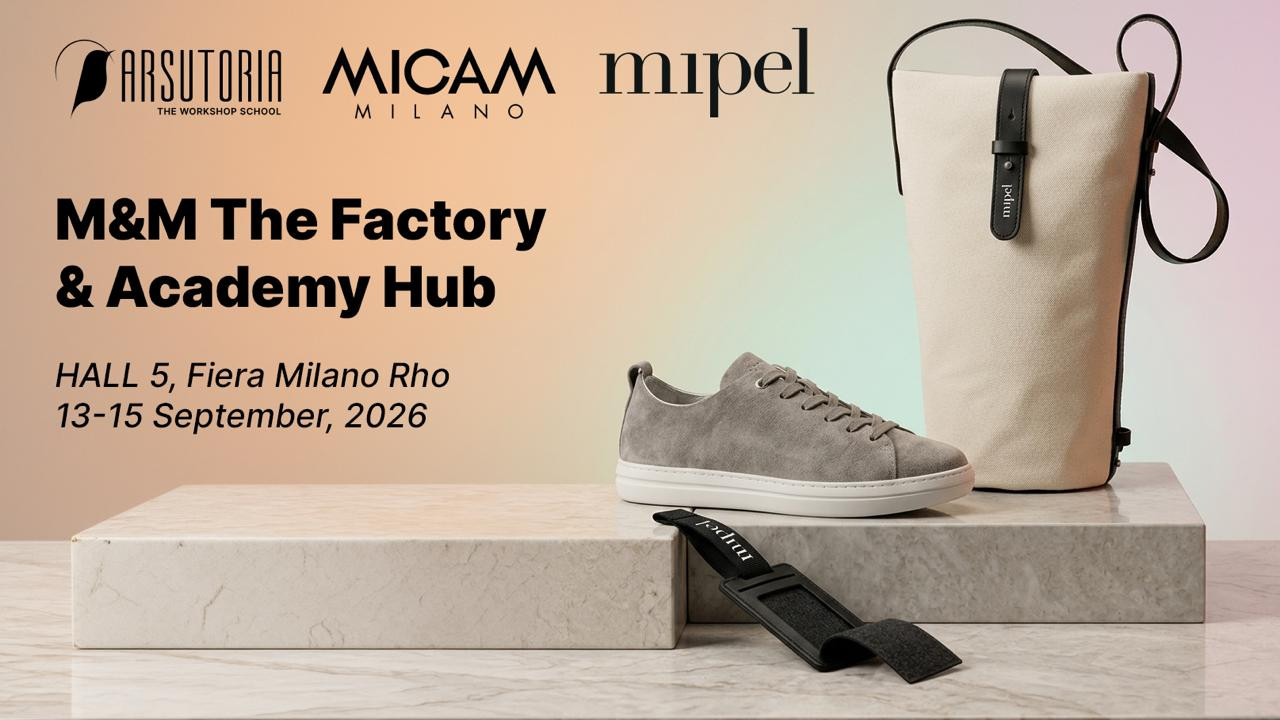
From 13 to 15 September 2026, in Hall 5 at Fiera Milano Rho, the M&M – The Factory & Academy Hub builds a luggage tag, a sneaker and a bag live. Almost 30 material and technology companies involved, and an educational programme developed by Arsutoria.
Keep reading...
At the helm of Riva del Garda Fierecongressi since 2007, he propelled the fairs beyond national borders. A tribute to a leader who foresaw the future by looking back.
Keep reading...You must login to read this free content
This content requires a subscription to view. Are you already a subscriber? Sign in