Design a Bag 2025 awards the Argentine Eliane Yahari
The international jury has selected three projects worthy of interest
Company news Arsutoria
April 2025
The Design a Bag-DAB 2025 Competition found its conclusion during APLF, the Hong Kong leather fair that hosted the final award ceremony on March 13. The winner of the ‘overall’ award was the Argentine Eliane Yahari with her original Yvoty Bag that earned the opportunity to attend a 4-week design course at the Arsutoria School in Milan. The other two finalists were: Uthra S Ganesh from India with the Kolangal project and Jiang Si Mi from China with her DoDo Bag.
Eliane’s project impressed the jury for the originality of her creation that is inspired by the artisan culture of Paraguay where the young designer grew up and boasts her roots. Her bag is made with scraps of recycled leather assembled together with a particular artisanal technique that come to life like buds in bloom. The Kolangal project by the Indian Uthra S Ganesh also celebrates craftsmanship and is inspired by an ancient Indian tradition of floor decoration. The DoDo Bag by the Chinese Jiang Si Mi stands out for its peculiar bean shape.
Winner Eliane Yahari with Stefano Migliavacca, member of the jury and responsible of Arsutoria School in MilanThe Ivoty Bag project that won the overall DAB 2025 awardThe Ivoty BagThe Kolangal Project by Uthra S GaneshJiang Si Mi’s DoDo Bag Project
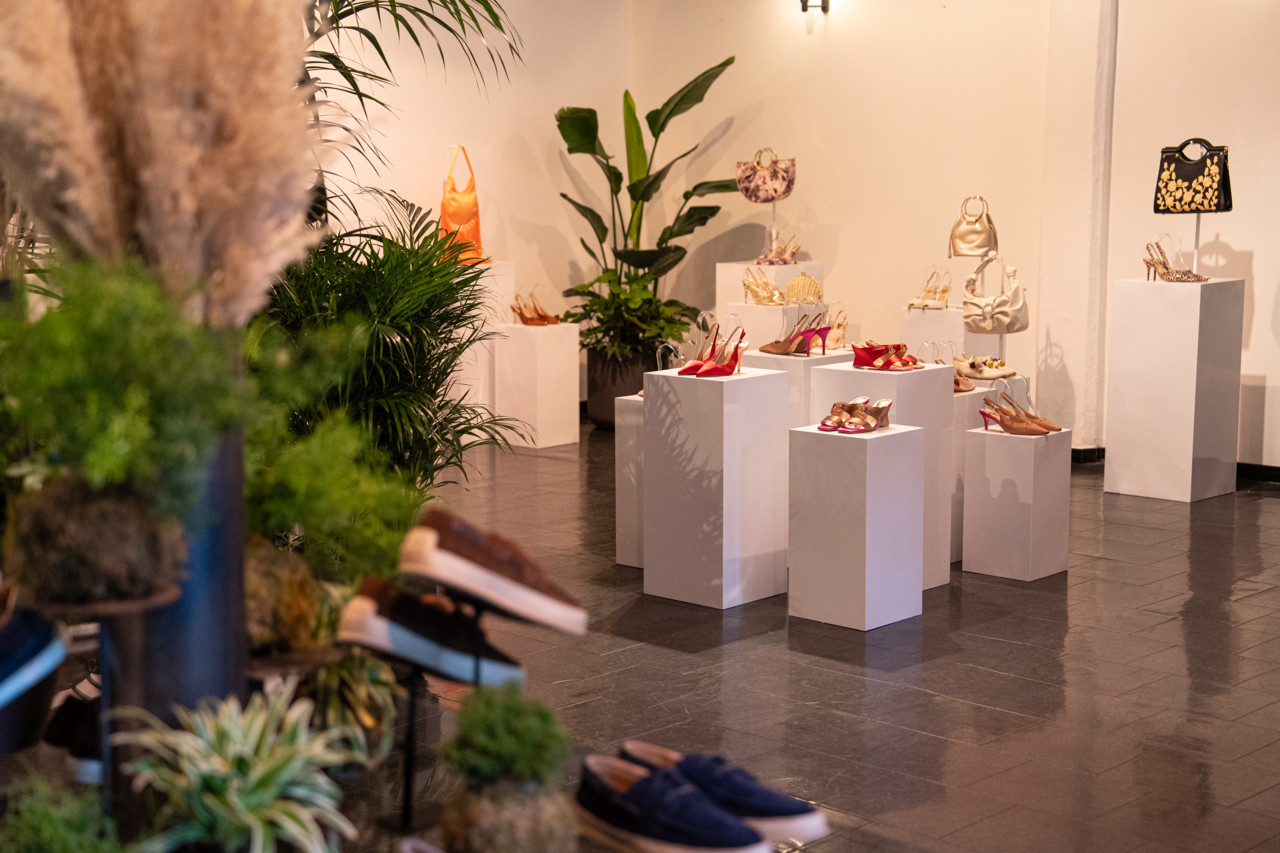
For Spring/Summer 2027, the Women’s Collection focuses on sculptural heels and couture materials, whilst the Men’s Black Label collection embraces a Mediterranean casual style. The collections were presented at the historic Luciano Soprani showroom at 30 Via Morosini in Milan.
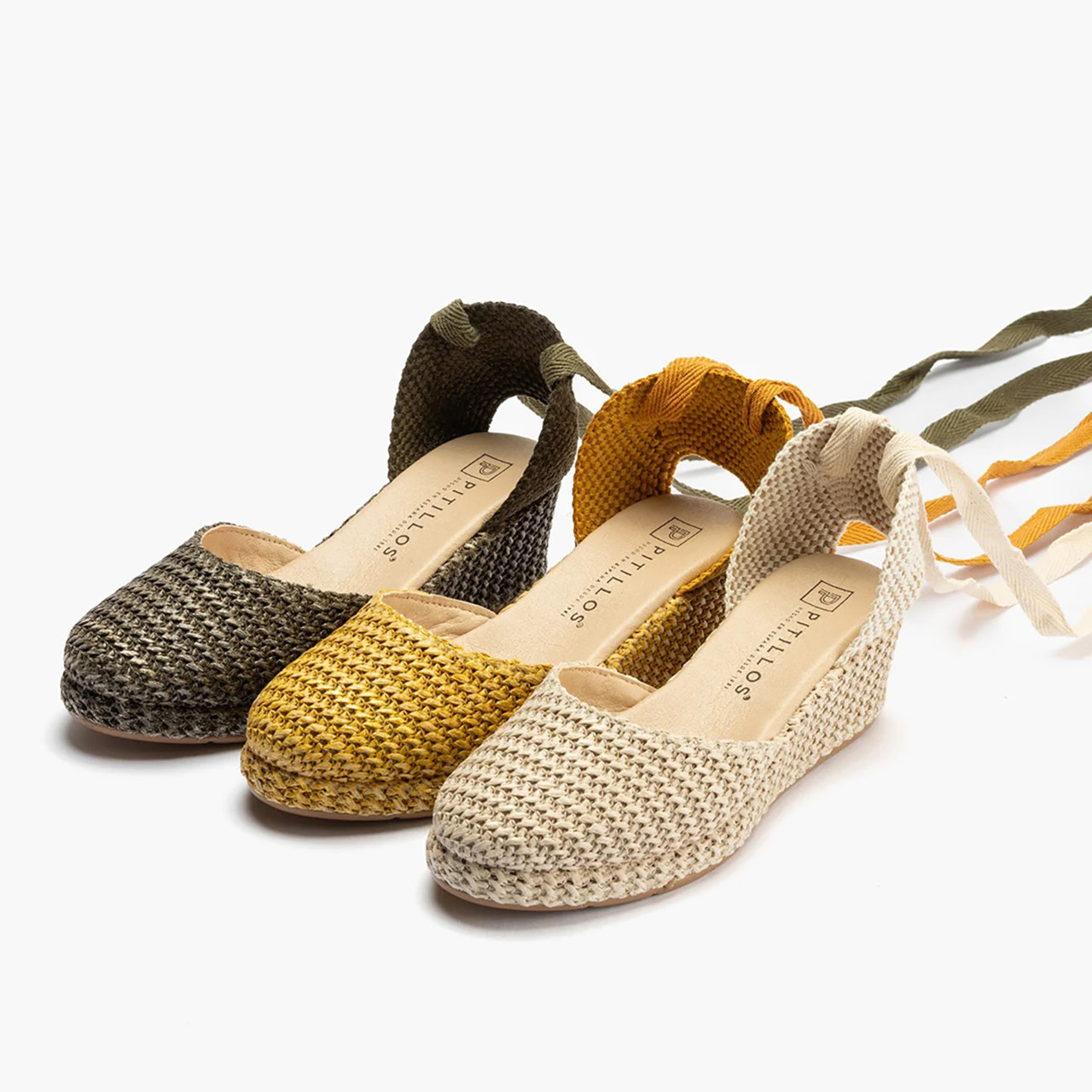
The Spanish brand presents a collection that interprets next season’s trends whilst remaining true to comfort, quality and attention to detail. At the heart of it all is ‘Made in Spain’ craftsmanship.
The Spring–Summer 2027 collection focuses on lightness, soft materials and the Goodyear Reverse construction. Alongside this, Onda: a trainer with an ultra-light, voluminous sole and a multi-layered upper.