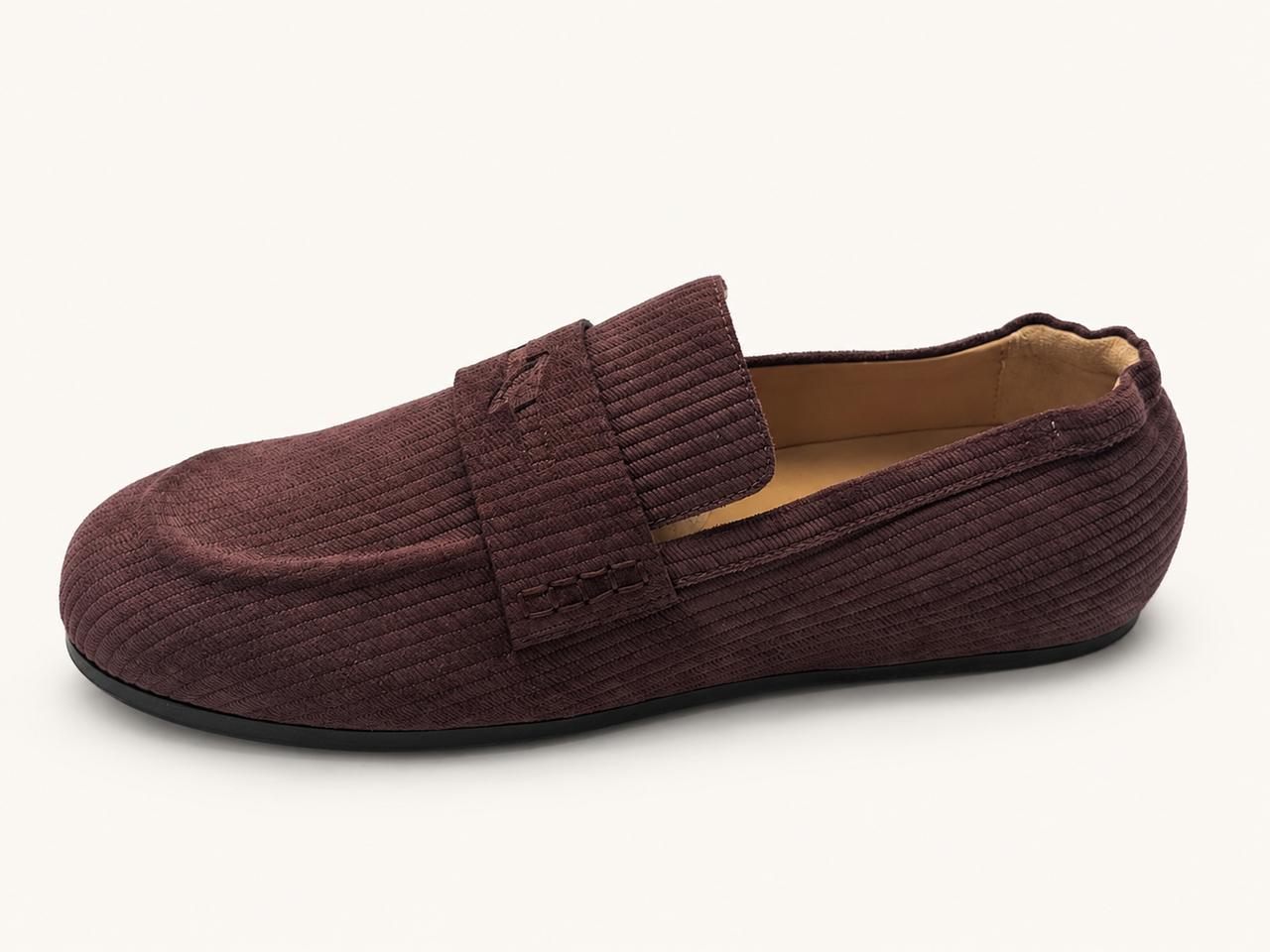
Cuoio di Toscana’s new Limited Edition insoles presented at Pitti Uomo
Two of the most talented designers of the young Italian creative generation, Federico Cina and Marco Rambaldi, signed the new leather insoles presented at Pitti Uomo 105 with the event 'In Soul cares about your health'.
Company news Arsutoria
April 2024
Cuoio di Toscana, the leading international consortium in the production of sole leather obtained by slow vegetable tanning, presented, with an exclusive event at Pitti Uomo, the two new insoles designed to protect the health of consumers and the environment. Thanks to the processing of the vegetable tanning in the tank and the use of tannins, in fact, the shoe with vegetable leather insole and lining maintains a fresh and dry environment that inhibits the development of bacteria responsible for bad odour. The new insoles are also biodegradable, low environmental impact, metal free, breathable and 100% natural, in keeping with the tradition of the tanning consortium.
“The principles of sustainability and traceability constitute the heritage of the Cuoio di Toscana brand, which today adds a further piece to the consortium’s green values and does so with the talent of two young Italian designers, Federico Cina and Marco Rambaldi, and in collaboration with the Italian Podiatrists’ Association,” said Antonio Quirici, president of the consortium.
Reinforcing the consortium’s lifestyle concept was a fashion show featuring the iconic green sole Cuoio di Toscana total looks by Don The Fuller, a Made in Italy excellence that espouses the same principles of sustainability.
The Jinjiang-based Chinese group, which has been an ODM for GEOX, Skechers and Jack Wolfskin for thirty years, is opening its first customs logistics park in Quanzhou. Two hundred thousand square metres, AI-powered sorting, eighteen European warehouses: the Chinese footwear industry is reinventing itself.
The brand, founded between Italy and Dubai, ventures beyond the world of trainers for the first time with ‘Linea’, the first loafer in a collection that redefines the concept of imperfection.
The ZDHC framework covers textiles, leather and plastics, but not metal: for years, the accessories supply chain has been responding to written requests intended for other processes. Led by the Physis Consortium, the first list of restricted substances for electroplating was drawn up at the end of 2025.