Africa calls, Italy responds: machinery and technology for a continent in turmoil
With €46 million in imports and an Italian share of over 42%, the African market for leather and footwear technology continues to be a strategic growth area. To further strengthen it, Assomac and Simac Tanning Tech are building commercial and industrial bridges from Senegal to Ethiopia.
Fairs newsFlash news
December 2025
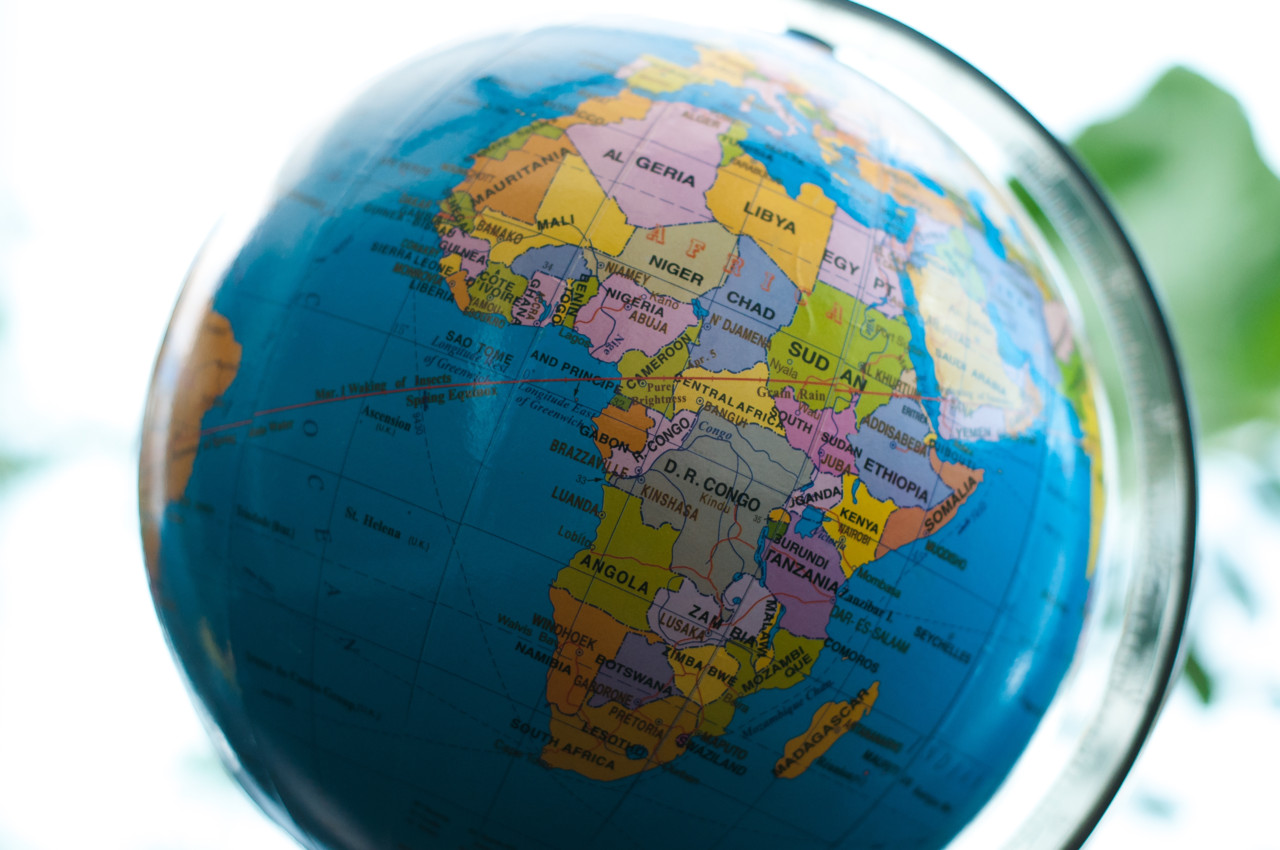
There is a continent that has abundant raw materials but still struggles to transform them into value. Africa has endless herds, high-quality hides and an increasingly clear political will to industrialise its production processes. Yet without technology, all this potential risks remaining an unfulfilled opportunity.
The figures for 2024 paint a picture of a changing reality: Africa imported leather processing, footwear and leather goods machinery worth €46 million, 6% of global imports in the sector. Some might say that is not much. A market under construction, say the forward-thinkers. And above all: a market where Italy leads the way.
The main African importing countries were: Tunisia, Nigeria, Egypt, South Africa, Algeria, Morocco, Kenya, Uganda, Ethiopia and Tanzania. These are economies characterised by a strong manufacturing tradition or a growing interest in the leather and fashion industry, with expanding domestic markets and a growing focus on exports.
ITALIAN TRICOLOUR IN POLE POSITION
With a share of 42.40% of total African imports, Italy remains the main supplier of technology for the sector. But the aggregate data hides even more significant nuances. In the tannery machinery sector, Italy’s share soars to 59.71%, with destinations ranging from Egypt to South Africa, Uganda to Namibia. In the spare parts segment – a barometer of long-term confidence – the figure reaches 61.47%, a sign that those who choose Italian machines continue to invest in their maintenance.
The picture is more complex for machinery forfootwear and leather goods, where Italy holds a 25.45% share: here, Chinese competition is making itself felt, focusing on aggressive pricing. Yet in countries such as Tunisia and Morocco – districts oriented towards exports to Europe – Italian technology maintains solid positions, built on quality and reliability.
ASSOMAC’S STRATEGY: COOPERATION
It is in this scenario that Assomac, with its network of companies in the sector, and Simac Tanning Tech come into play. As part of its mission to promote Italian technologies for footwear, leather goods and tanning internationally, Assomac has embarked on a structured process of cooperation with several African countries.
During the Simac Tanning Tech event, attention to Africa’s potential was expressed by the presence of institutional and industrial delegations from Egypt, Kenya, Morocco, Tunisia, South Africa, Ethiopia and Tanzania, among others, thanks in part to the activities of the ICE Agency’s foreign network.
The Association promotes a model based on technology transfer, professional training and support for the creation of modern industrial districts.
In Senegal, an invitation from the Municipality of Dalifort-Foirail paved the way for a feasibility study to strengthen the local leather district. The Italy-Senegal Business Forum in Dakar allowed for direct discussions with local institutions and tanneries.
In Kenya, collaboration with the Kenya Association of Manufacturers is aimed at a structural agreement to modernise the supply chain, while dialogue with Equity Bank aims to facilitate access to credit for those investing in Italian technologies.
In Egypt, support continues for Robbiki Leather City, the new industrial district 40 km from Cairo. The transfer of tanneries to the new production area will be completed by the end of 2025.
In Tunisia, the AICS credit line of €55 million supports the purchase of Italian machinery by local SMEs. In Niger, the PISIE project provides technical assistance in the districts of Tahoua and Tamaské. Finally, in Ethiopia, a direct channel with the government has been established to explore industrial development paths and future B2B missions.
AN INVESTMENT IN THE FUTURE
Italy’s presence in Africa is not the result of improvisation, but of a long-term strategy. A strategy that the Mattei Plan, developed by the Italian government, frames as a national priority and which finds one of its most credible assets in leather and footwear machinery. Because selling technology also means exporting an industrial model: the Italian model, based on expertise, relationships and vision.
The fashion, luxury and design sectors, together with the creative manufacturing industry, gathered at Fiera Milano Rho from 11 to 13 February for the presentation of the 2027 summer season.
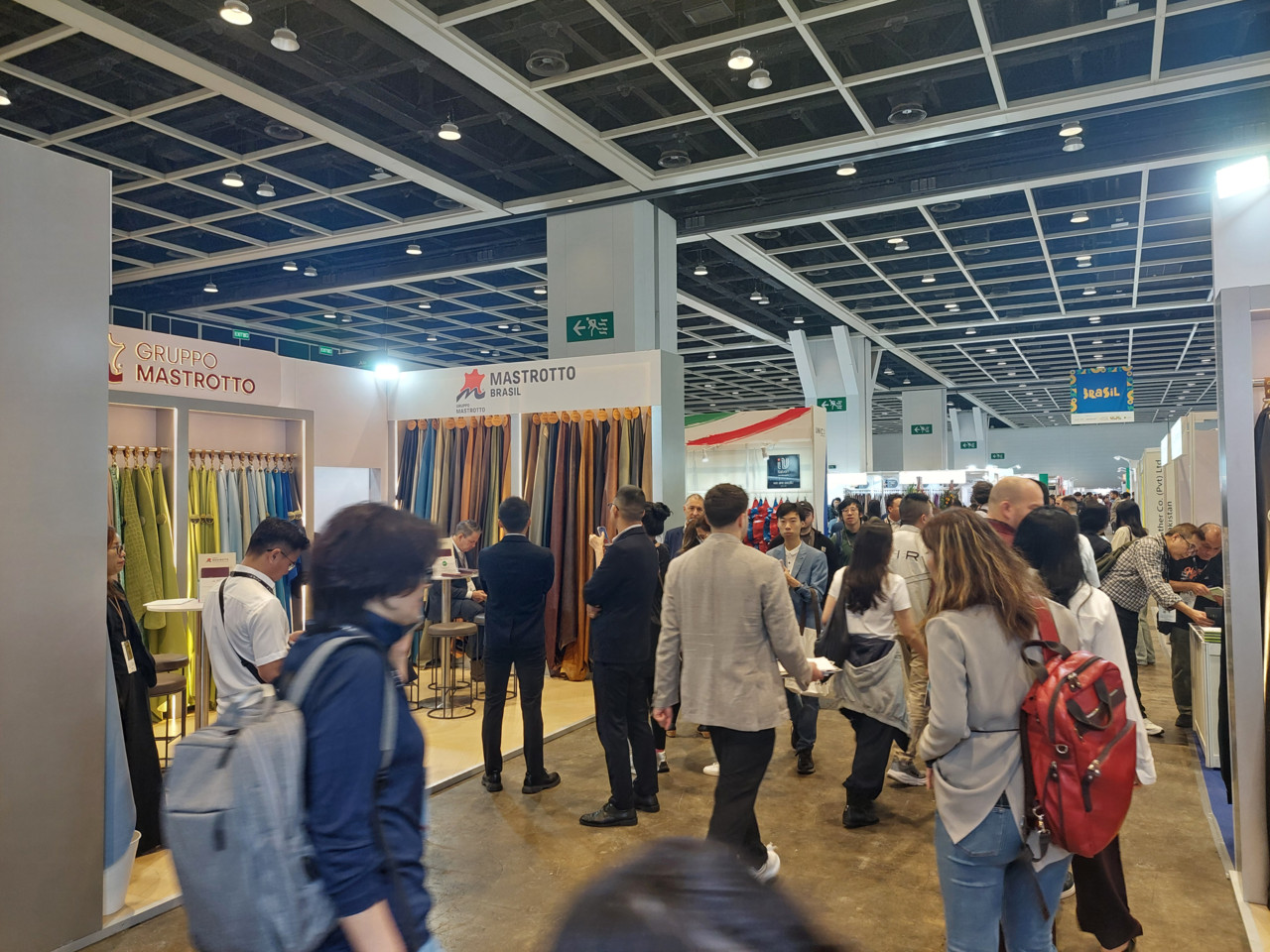
Despite the challenging geopolitical context, Hong Kong is strengthening its role as a global hub: the leather industry is looking toward a recovery in 2026
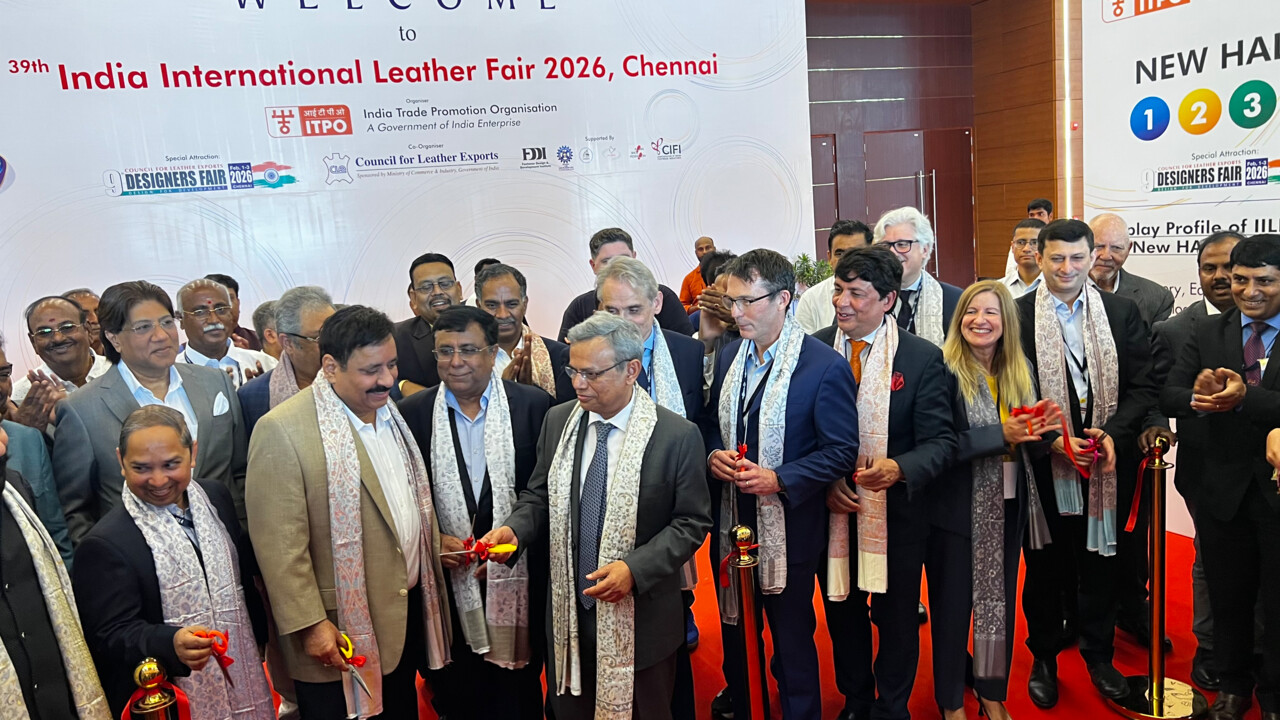
India International Leather Fair took place from 1 to 3 February in the new, larger exhibition halls of the Chennai Trade Centre, reaffirming its status as the leading event for India’s leather and accessories industry.