Sneakers made from food industry waste and recycled materials: ID.EIGHT
The brand's goal is to create footwear with a low environmental impact, made from innovative and environmentally sustainable materials, unisex, and with a refined design reminiscent of the 1990s.
Company news Arsutoria
March 2024
Dong Seon Lee, Giuliana Borzillo
The project was born from the meeting between Dong Seon Lee and Giuliana Borzillo, both of whom come from the world of footwear: Dong is a Creative Designer Director and Giuliana a Brand Manager. Together they created a collection of sneakers with a refined design and at the same time sustainable and ethical.
From a beautiful love story, a footwear brand was born. The line is officially launched in February 2020 through a crowdfunding campaign, and 320 supporters immediately believe in ID.EIGHT.
Here is how they explain the sustainable aspect of their project: “We mainly use 4 types of bio-based materials for the upper, derived from by-products of agricultural or industrial activities:
– BioVeg: made in Italy with recycled PES and biopolyols, from non-food corn crops.
– Uppeal: made in Italy from apple peels and cores.
– Vegea: made in Italy from grape skins, seeds and stems.
– Piñatex: made in Spain from pineapple leaves from the Philippines.
Recycled synthetic materials (polyester, mesh, Lycra, rubber) and recycled cotton made in Portugal, Spain and Italy complete the other parts of the shoe”.
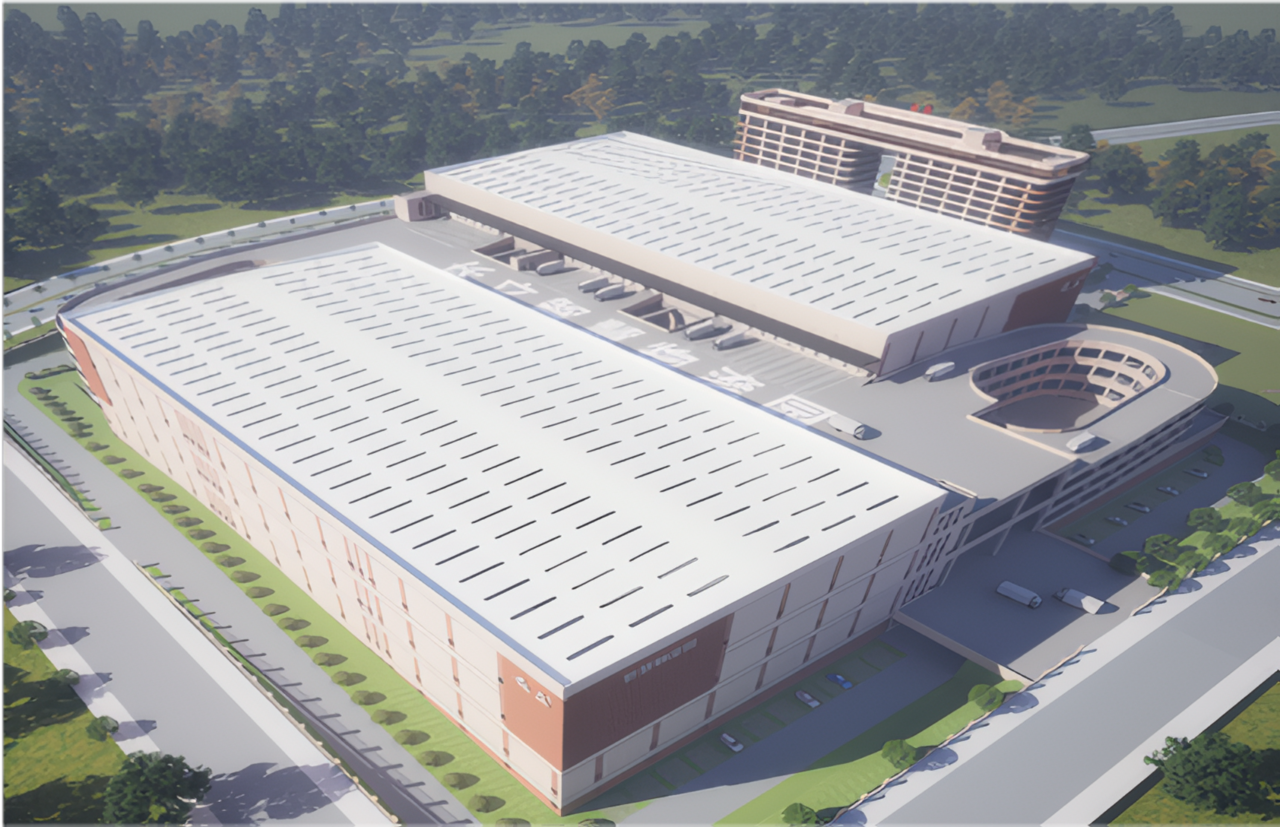
The Jinjiang-based Chinese group, which has been an ODM for GEOX, Skechers and Jack Wolfskin for thirty years, is opening its first customs logistics park in Quanzhou. Two hundred thousand square metres, AI-powered sorting, eighteen European warehouses: the Chinese footwear industry is reinventing itself.
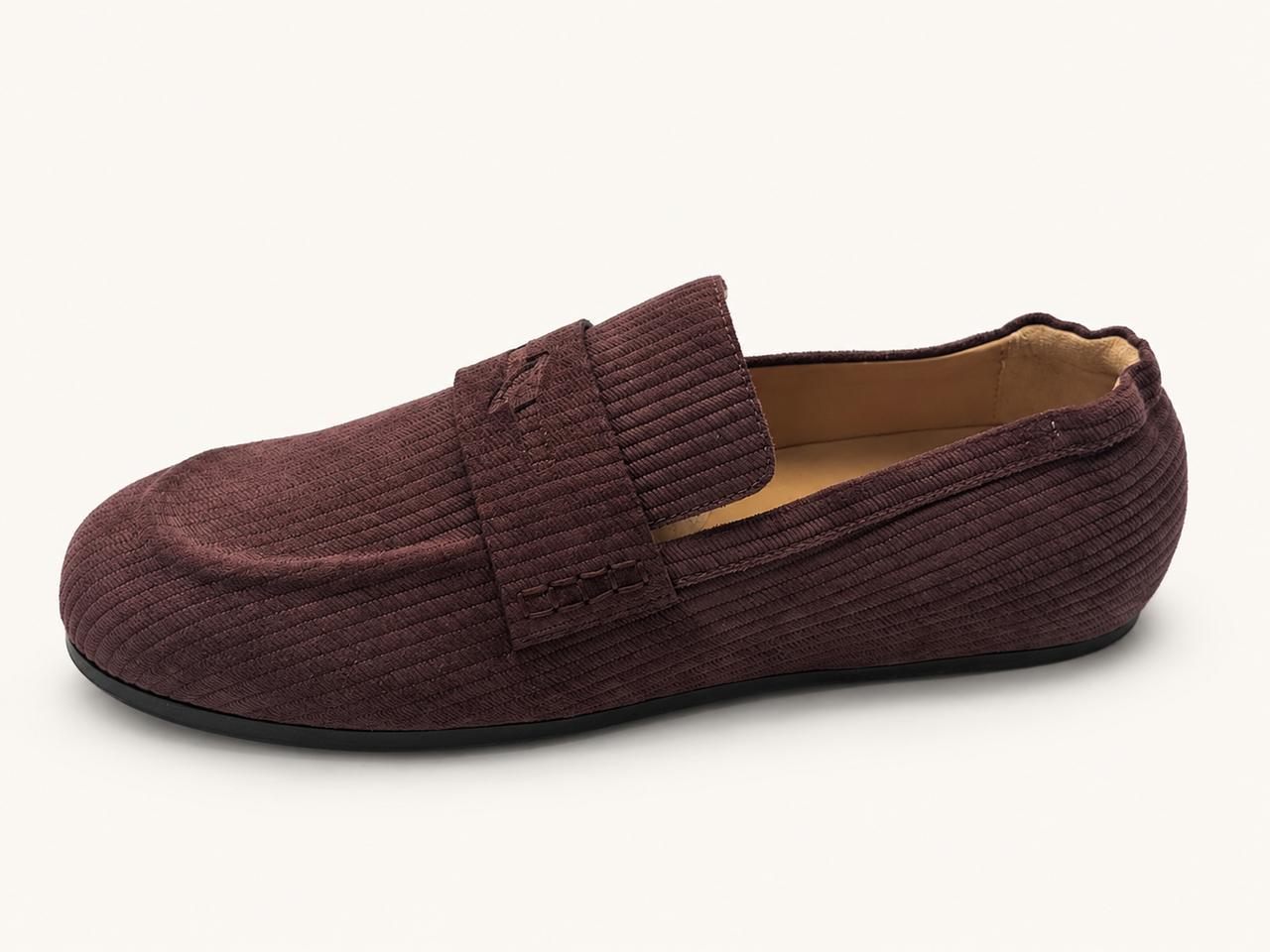
The brand, founded between Italy and Dubai, ventures beyond the world of trainers for the first time with ‘Linea’, the first loafer in a collection that redefines the concept of imperfection.
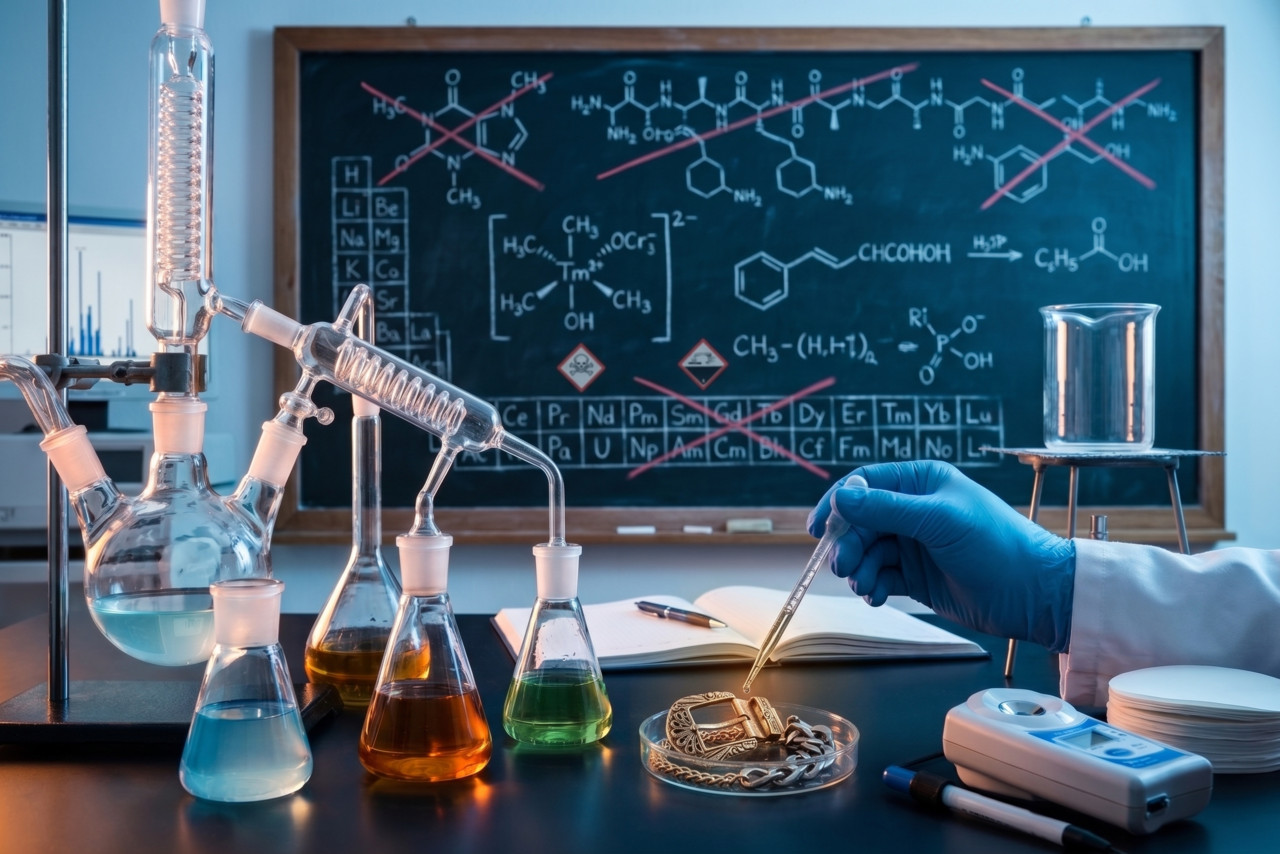
The ZDHC framework covers textiles, leather and plastics, but not metal: for years, the accessories supply chain has been responding to written requests intended for other processes. Led by the Physis Consortium, the first list of restricted substances for electroplating was drawn up at the end of 2025.