For more than 30 years, OEKO-TEX® has worked to enable companies and consumers to make responsible choices that preserve our planet for future generations, a commitment that has become increasingly urgent in recent decades.
Company news Arsutoria
March 2024
To achieve its goal, OEKO-TEX® takes measures to foster scientific insight and innovation within the leather and textile industry, and the international association’s 17 Research and Analytical Institutes work closely with manufacturers to develop high-quality leather products at all stages of the value chain.
OEKO-TEX®’s global industry vision is, therefore, a great added value for brands, manufacturers, retailers and consumers. The association focuses, in particular, on transparency and traceability, which is reflected in the growth rate in 2023 of the OEKO-TEX® MADE IN GREEN product label: in fact, compared to the prescribed period, the labels issued increased by 52 percent. MADE IN GREEN is a traceable product label for all kinds of textiles and leather products that have been manufactured in responsible facilities under safe and socially responsible working conditions. It also reassures consumers that the product is tested for harmful substances.
One prerequisite for MADE IN GREEN is that the product is certified according to the OEKO-TEX® LEATHER STANDARD. This is an internationally standardised testing and certification system for leather and leather goods at all production levels. The certification supports companies along the supply chain with the implementation of high human-ecological product safety. The OEKO-TEX® criteria catalogue is updated annually to comply with international regulations such as REACH.
The Jinjiang-based Chinese group, which has been an ODM for GEOX, Skechers and Jack Wolfskin for thirty years, is opening its first customs logistics park in Quanzhou. Two hundred thousand square metres, AI-powered sorting, eighteen European warehouses: the Chinese footwear industry is reinventing itself.
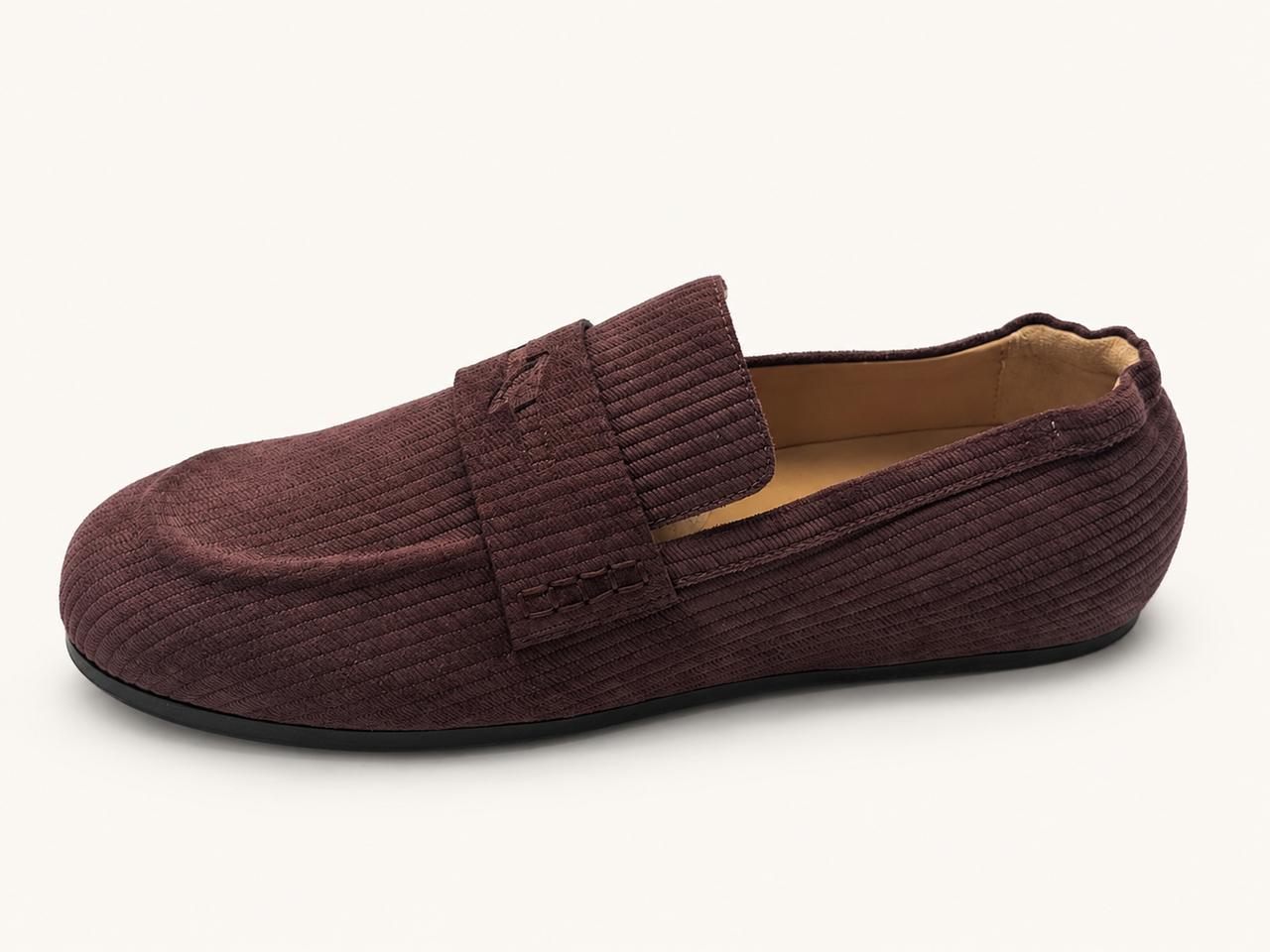
The brand, founded between Italy and Dubai, ventures beyond the world of trainers for the first time with ‘Linea’, the first loafer in a collection that redefines the concept of imperfection.
The ZDHC framework covers textiles, leather and plastics, but not metal: for years, the accessories supply chain has been responding to written requests intended for other processes. Led by the Physis Consortium, the first list of restricted substances for electroplating was drawn up at the end of 2025.