Italian leather goods sector: first half of 2026 still in decline
Flash news
October 2026
In the first half of 2026, turnover fell by 2.5 per cent and production by 4.6 per cent. Europe holds steady, whilst the Middle East slumps. 1,884 jobs were lost in six months – more than in the whole of 2025.
Sales volumes are down, but each item is worth more. In the first five months of 2026, Italian leather goods exports fell by 11.1 per cent in volume and by just 3.4 per cent in value, totalling 3.93 billion euros: the average price rose to 161.33 euros per kilo (+8.7 per cent). Is this a sign that the sector’s position is holding firm? To some extent. But the bottom line is determined by turnover, not by price per kilo.
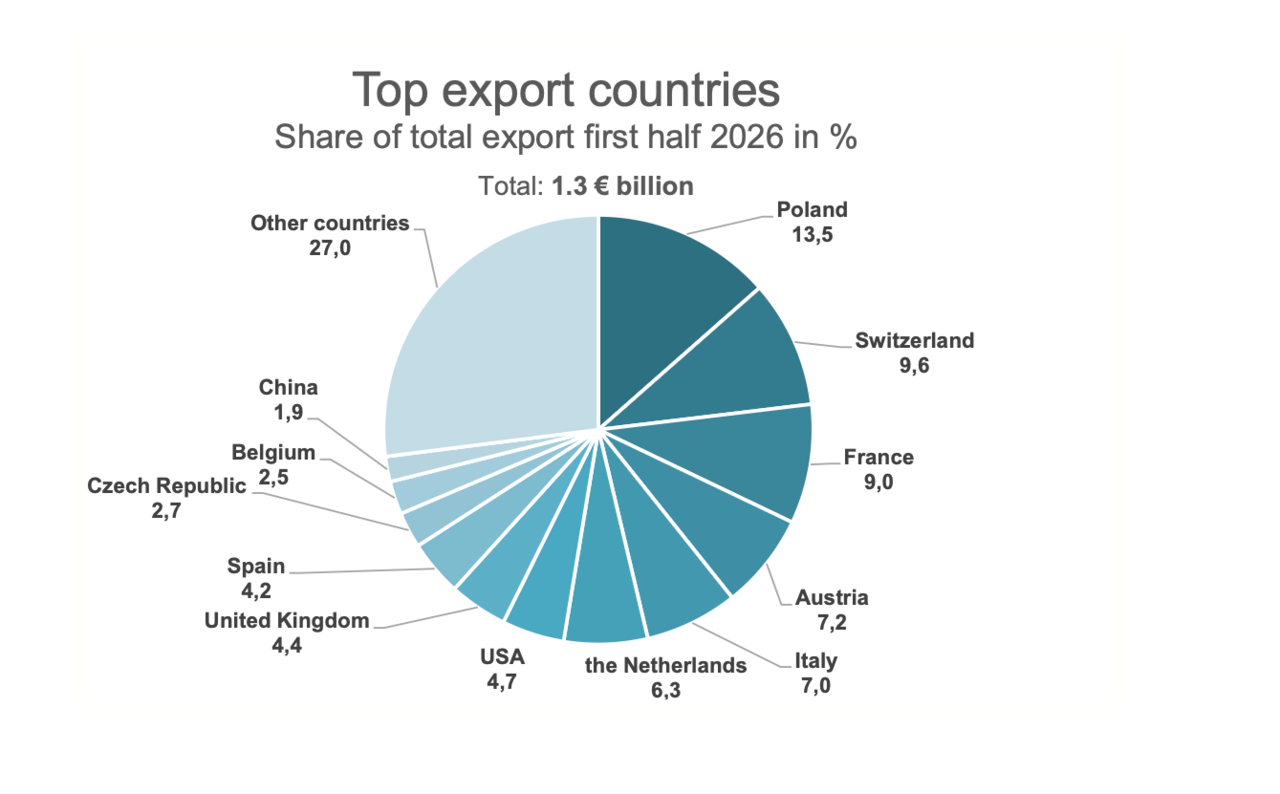
And turnover, according to a report by the Confindustria Fashion Accessories Research Centre on behalf of Assopellettieri, fell by 2.5 per cent in the first half of the year, whilst the National Institute of Statistics (Istat) production index stood at -4.6 per cent. For a sector that generates 85 per cent of its revenue abroad (€11.39 billion in 2025), geography is a crucial factor. The European Union held steady (+1.9 per cent, France +2.8 per cent), the United States grew by 3.3 per cent despite tariffs, and Switzerland rebounded by 10.3 per cent. Outside the EU, however, sales fell by 6.4 per cent: the Middle East slumped by 48 per cent, with the United Arab Emirates down 46.5 per cent, and the former Soviet bloc region declined by 15.9 per cent.
Even within the sector, trends diverged. Handbags account for almost 72 per cent of exports and are the only category above 2019 levels (+7.5 per cent). Items made from alternative materials to leather grew by 3.5 per cent in value, whilst leather goods fell by 6.2 per cent. Small leather goods and belts saw double-digit declines.
The heaviest blow comes from the factories. At the end of June, there were 45,514 employees: 1,884 jobs were lost in six months, more than the 1,316 lost in the whole of 2025. There are 4,189 companies, 108 fewer than before. The number of hours of furlough in the leather sector authorised by the National Social Security Institute (INPS) fell by 24.1 per cent, but rose again in the second quarter (+3 per cent) and remain more than triple the 2019 figure. The war is weighing on costs: 38 per cent of companies report logistics cost increases of over 10 per cent.
The outlook does not appear any brighter than the figures just cited. Only 8 per cent of leather goods manufacturers expect a better third quarter, whilst 58 per cent fear they will end the year with lower revenues than in 2025. 2026 is therefore heading towards a new downturn, moderate but real: prices are holding up, but volumes are not, and it is primarily the labour sector and the areas most exposed to conflict that are bearing the brunt.
In the first half of 2026, the German footwear and leather goods industry remained stable, albeit at low levels. Amid price rises linked to the war with Iran and new European waste regulations, Italy saw a decline in volumes but maintained its value.
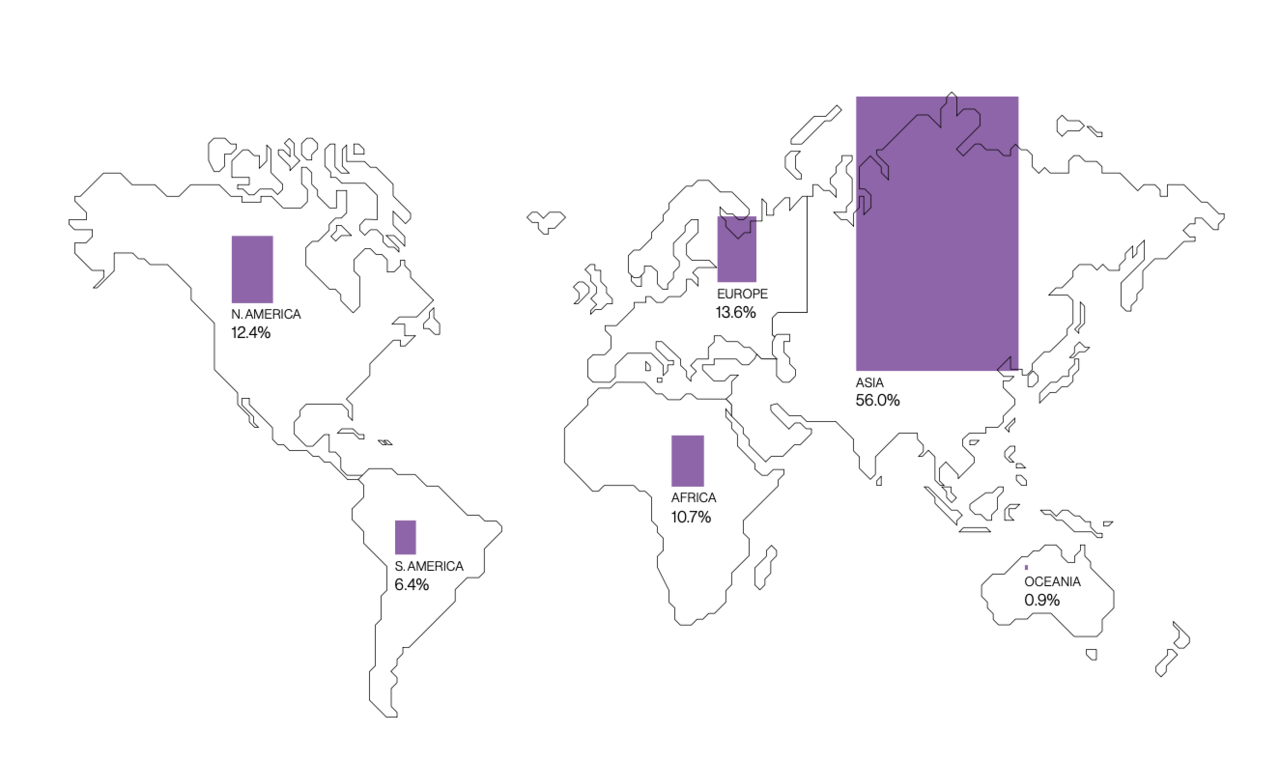
In 2025, global production remains at 24.6 billion pairs (+0.1 per cent), whilst the value of exports rises by 1.6 per cent to 172 billion dollars. Asia produces 88.7 per cent of shoes, whilst China’s share of exports falls to 61.2 per cent.