Winds of war were blowing over APLF, which nonetheless outperformed expectations
Despite the challenging geopolitical context, Hong Kong is strengthening its role as a global hub: the leather industry is looking toward a recovery in 2026
Fairs news
March 2026
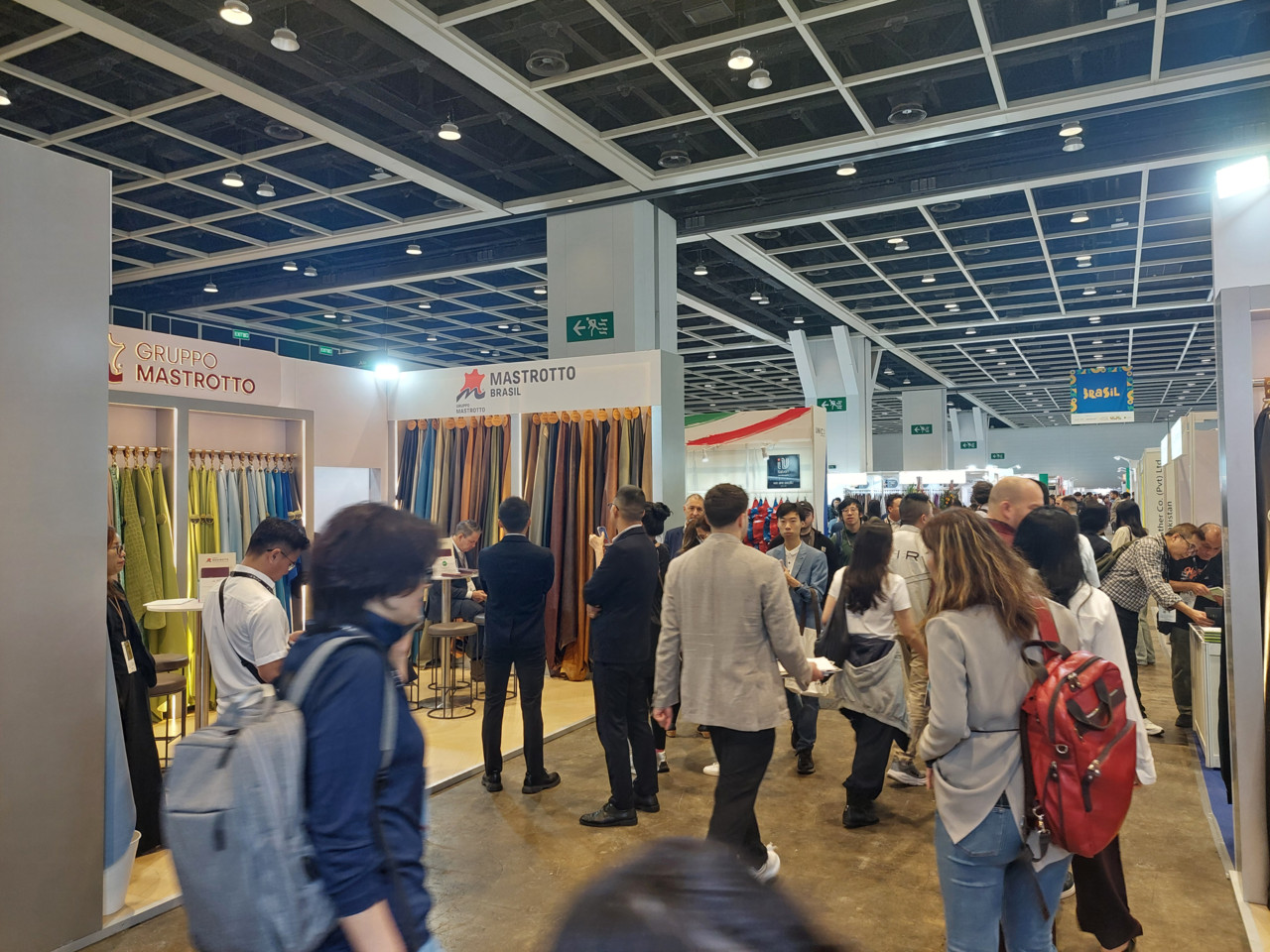
A climate of deep uncertainty characterized the latest edition of APLF in Hong Kong, which opened on March 12, just ten days after the Israeli-American attack on Iran. Against this backdrop, with the Middle East under attack by Pasdaran missiles, numerous flights with stopovers in the Emirates were canceled, forcing many industry professionals to reschedule their trips at the last minute. Despite such a critical geopolitical context, however, the fair recorded decent results, significantly better than expected, confirming its status as the premier meeting place for the global leather industry. International exhibitors participated in strong numbers, and visitors—primarily from Asia—also responded positively, though with some inevitable dropouts, especially from overseas. With 500 exhibitors from 36 countries and regions, APLF 2026 maintained a strong international focus, albeit in a more compact format than in the past. A choice that reflects a particularly complex year for the sector globally, marked by economic slowdowns and adjustments, but which also made it possible to bring all exhibitors together on a single level of the exhibition center.
The 2026 edition also introduced a revamped and more functional exhibition layout: all sections—leather, materials, and fashion accessories—have been consolidated in the Level 1 pavilion. “This decision promotes integration across the various stages of the supply chain, enhancing the visitor experience and fostering more concrete business opportunities,” explain the organizers. In terms of national participation, after China, represented by 113 companies, Italy stood out with 104 firms, followed by France (38), Brazil (33), and Turkey (26). There were two Italian group pavilions in the main Leather section: one for tanners united under the umbrella of UNIC, with 44 participants, and one for tanning machinery manufacturers and chemical auxiliary producers coordinated by ASSOMAC and ITA, with 33 companies, in addition to several individual exhibitors. Immediate feedback highlights greater satisfaction among tanneries, which reported renewed interest from visitors seeking new products. The impressions of machinery manufacturers and chemical suppliers, however, were more lukewarm, as they were penalized by uncertainty in the international market, which is holding back investment.
Despite a 10.5% decline in exports in 2025—amounting to $75 billion in the leather, footwear, and accessories sectors—China remains the global leader in the industry. The country maintains undisputed leadership in both production volume and value, continuing to require substantial imports of raw materials to sustain its industrial capacity. In this context, Hong Kong further strengthens its central role. As highlighted by APLF Director Janice Lee, the city stands out for its operational stability, open trade environment, and efficient infrastructure—elements that make it an ideal hub for companies seeking access not only to the Chinese market but also to the emerging economies of Southeast Asia. It is precisely in this region that some of the most interesting developments are taking place. Vietnam and Indonesia are emerging as rapidly expanding markets. Vietnam, supported by foreign investment and international trade agreements, has established itself as a manufacturing hub for footwear and leather goods. Indonesia, thanks to a large domestic market and an already developed supply chain, ranks among the region’s leading consumers. It is no coincidence that the next edition of APLF ASEAN will be held here, scheduled for Jakarta in November 2026.
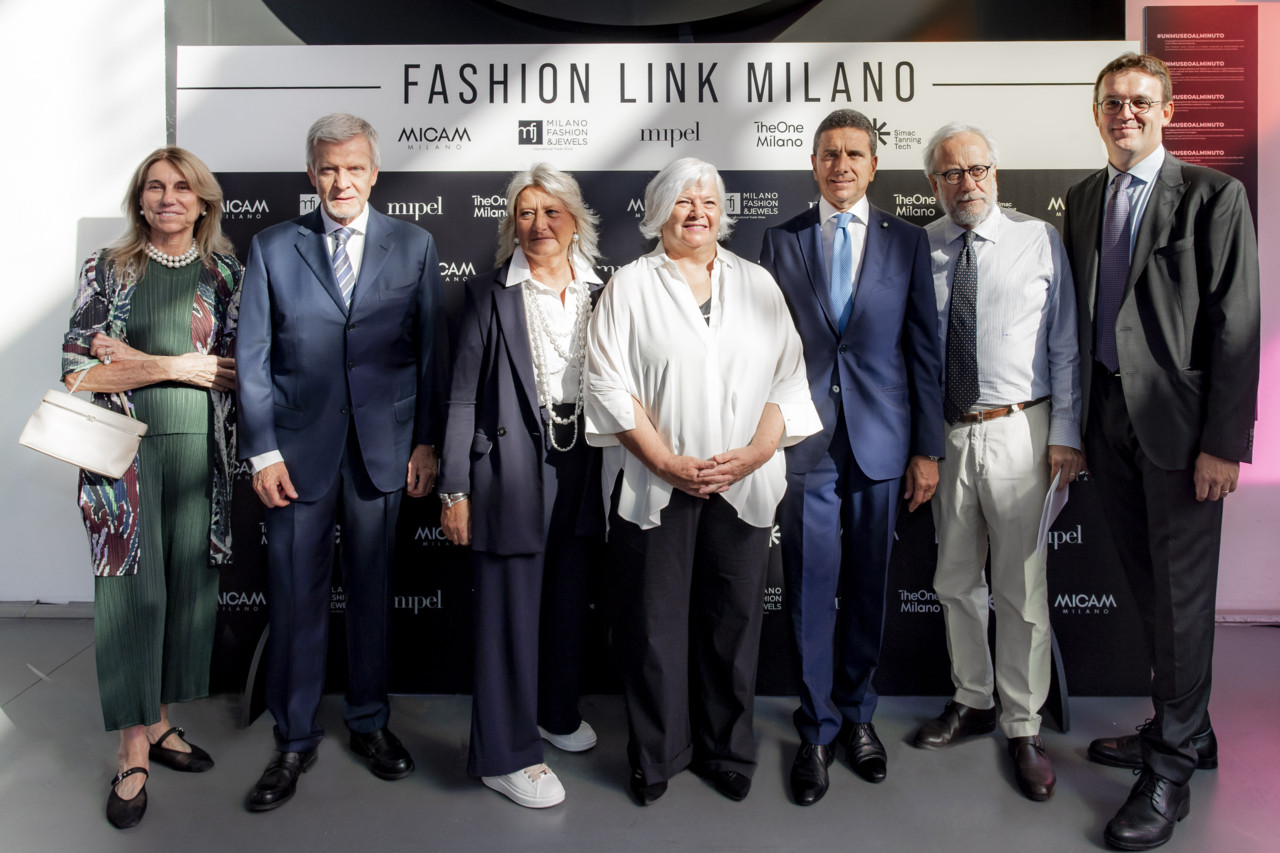
In addition to its commercial aspect, APLF 2026 reaffirmed its role as a platform for dialogue and innovation, thanks to a rich program of conferences, seminars, and workshops dedicated to the industry’s future challenges: sustainability, production efficiency, and new market strategies. Among the most popular events was the presentation of the Italian project “The Leather Leaders,” focused on collaboration between Italian tanneries and international brands and aimed at scientifically measuring the environmental impact of leather. The session, introduced by President Fabrizio Nuti, included a mini-roundtable featuring testimonials from three tanners involved in the project. In an international context that continues to evolve, the message emerging from APLF 2026 is clear: the leather industry is looking ahead, focusing on collaboration, innovation, and an increasingly integrated presence in Asian markets. The next edition is already on the calendar and will take place from March 31 to April 2, 2027.
A moment from the opening ceremony of APLF2026From left: Christophe Dehard, President of Alliance France Cuir (AFC); Janice Lee, Director of APLF Ltd.; and Michael Duck, Executive Vice President of Business Development at Informa MarketsA section of the group exhibition featuring Italian tanneries organized by UNICA glimpse of the Italian group exhibition coordinated by ITA ASSOMACA moment from the presentation of the UNIC “Leather Leaders” project
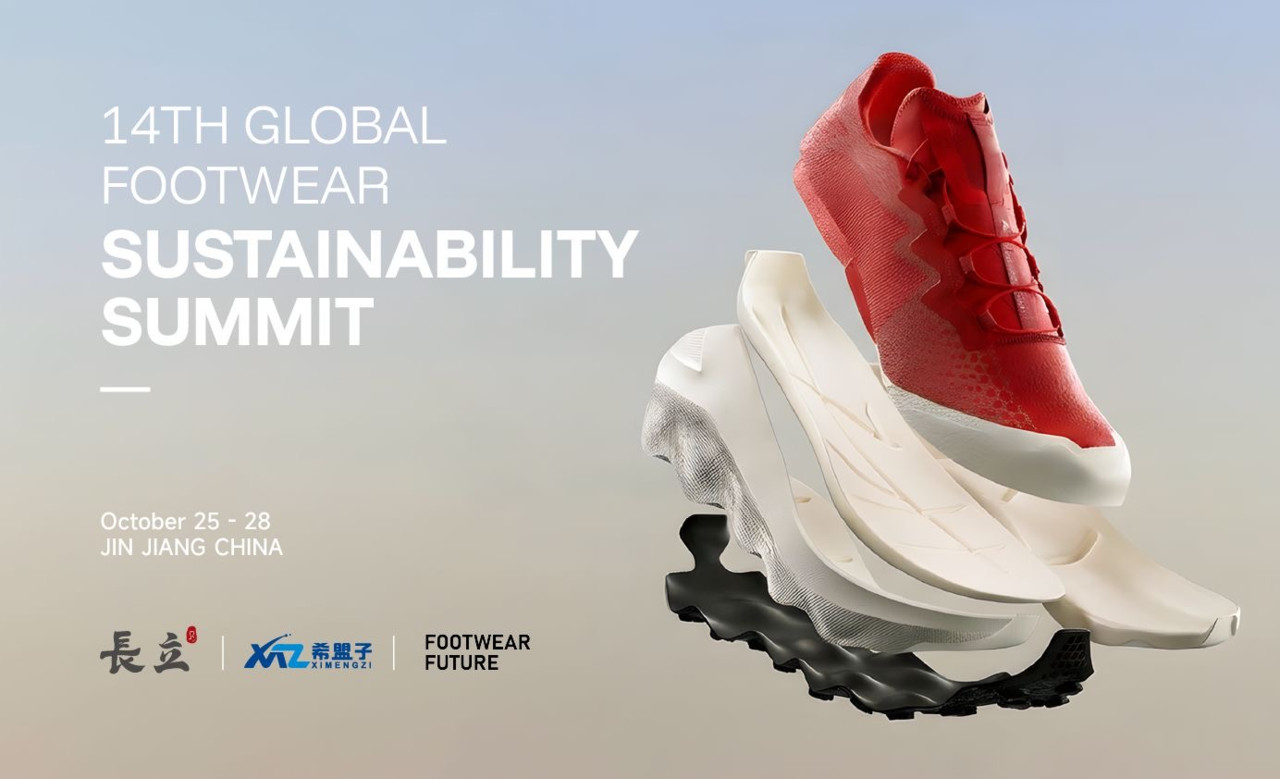
From 25 to 28 October 2026, the Global Footwear Sustainability Summit returns to China for its fourteenth edition. Six hundred delegates, over two hundred brands and four days packed with crucial issues to address.
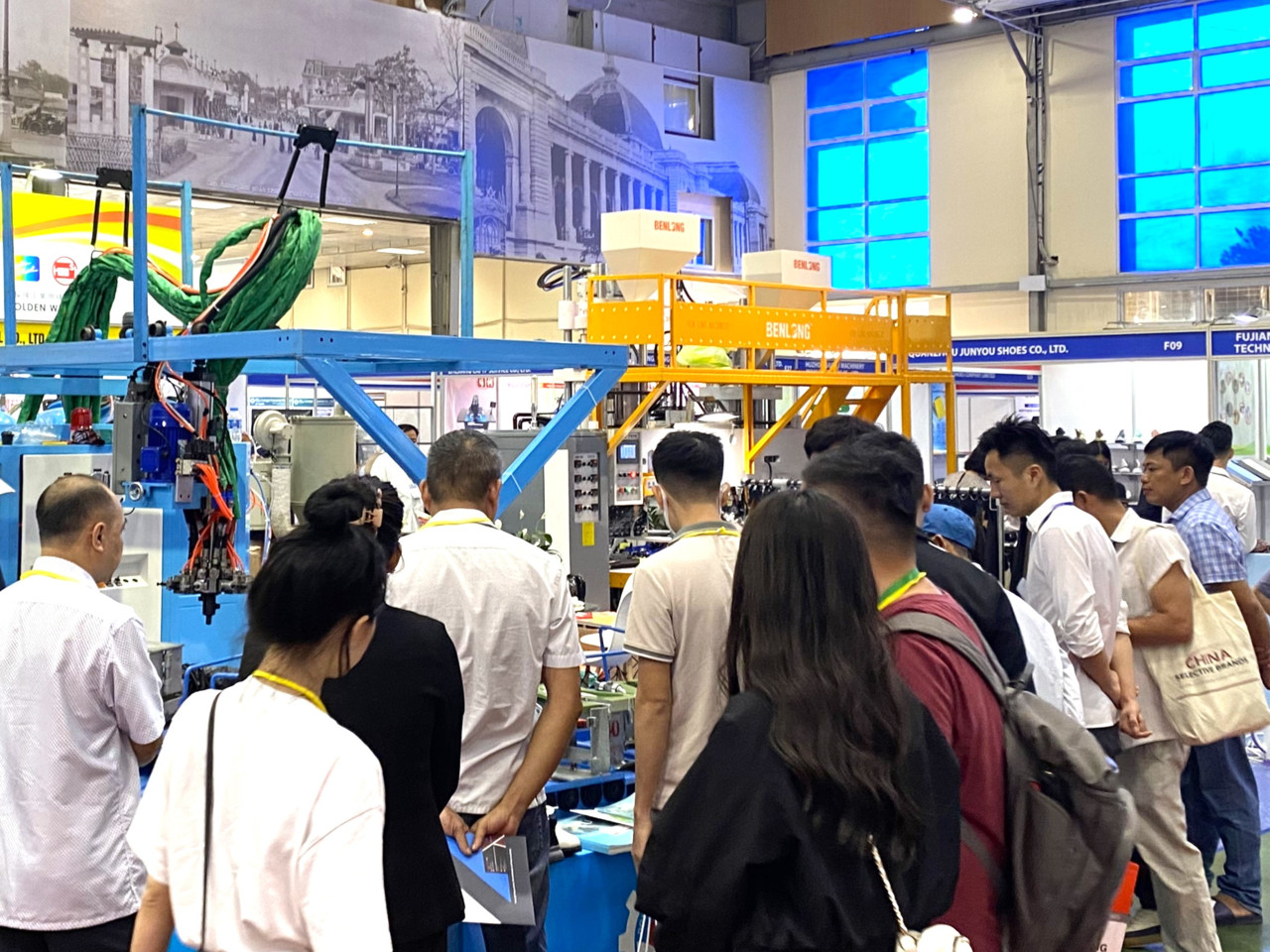
The Hanoi International Footwear and Leather Goods Fair, originally scheduled for 15–17 October 2026 at the Hanoi Vietnam Exposition Centre (VEC), has been rescheduled for 30 November to 2 December 2027.