


Everyone to Paris for Expoprotection 2026
From November 3 to 5, the French capital will become the meeting place for professionals in the fields of prevention and safety
Keep reading...
A pop-up installation during Paris Fashion Week celebrates the experience of the leading brand in rubber soles in the industrial sector
January 2026

Vibram, the iconic outdoor brand renowned for its technically advanced rubber soles, is present wherever high performance is required. During Paris Fashion Week, Vibram presents Extreme Works, a pop-up installation that explores the intersection between industrial engineering and extreme performance. This time, the brand showcases its expertise in the work and safety sector, where performance and technology are more essential than ever.
Since 1967, when Vibram founder Vitale Bramani introduced the first Vibram sole for work and safety to the market, as an evolution of the iconic first Vibram Carrarmato sole, the brand has studied the needs of workers in all sectors of industrial footwear, gradually expanding into the most demanding and extreme jobs.
This showcase focuses on a selection of high-tech footwear for the industrial work sector, featuring bold designs, advanced aesthetics, and cutting-edge Vibram technologies created for workers operating in difficult environments.
There are jobs that are not only difficult: they challenge nature, push human endurance to the limit, and transform every action into an act of precision. The categories classified as heavy-duty jobs are not simply “heavy jobs,” but real missions in extreme environments where cold, wind, pressure, and isolation leave no room for error. In such environments, the right footwear is not optional, but an essential tool.
Categories classified as “heavy duty” are not simply “heavy work,” but actual missions in extreme environments where cold, wind, pressure, and isolation leave no room for error. In such environments, the right footwear is not optional: it is a vital tool.
Construction sites and heavy industrial plants are the most extreme industrial jobs: steel mills, refineries, chemical plants, cement factories, and power plants. Here, workers face high temperatures, molten or hot materials, toxic substances, dust, intense noise, and limited visibility, often all at the same time. Footwear is a critical safety component: boots must be durable, reliable, and resistant to heat and chemicals, with slip-resistant and abrasion-resistant soles.
When working in cold, windy environments, heavy labor becomes even more extreme because conditions can change quickly and unpredictably. Workers operate on icy and snowy surfaces, often during storms or with poor visibility, handling tools and machinery. Footwear is essential in these conditions: boots must provide thermal insulation, waterproof protection, and a non-slip sole capable of maintaining grip on ice and snow, because a single misstep can quickly become dangerous.
Heavy work on railway networks and emergency repairs are carried out in highly challenging environments, often in remote or confined areas along active lines. Technicians frequently work at night or in low visibility, surrounded by heavy machinery, vibrations, dust, and noise. Footwear must offer maximum reliability, excellent grip on uneven or slippery ground, and strong protection against impact and punctures. Insulation, durability, and comfort during long shifts are essential, because there is no margin for error in railway operations.
Mining work takes place in some of the most hostile environments, where both physical and mental endurance are constantly tested. Operations are often conducted in remote locations, underground or in the open air, with extreme temperatures, dust, noise, vibrations, and limited lighting. Footwear is not only a protective device but also an essential work tool, and its long-term reliability is essential. Soles must maintain grip, protection, and comfort even after long hours, repeated use, and exposure to difficult conditions. Firefighters operate in unpredictable and immediately dangerous environments, such as burning buildings, industrial accidents, and incidents involving hazardous materials. Footwear is critical: boots must protect against heat, impact, crushing, punctures, and slippery surfaces, while providing support and cushioning to reduce fatigue and allow firefighters to remain effective when every second counts.
Fishing is an extreme discipline that combines hostile environmental conditions, continuous physical exertion, and high risk, often in isolation. Workers are exposed to freezing water, wind, unstable and constantly moving surfaces, and heavy, repetitive tasks. Balance is critical, and equipment must function as a true extension of the body. Safety depends on the seamless integration of skill, technology, and protective gear. Footwear plays a key role in traction, waterproof protection, and long-term comfort.
Forestry work requires strength, precision, and absolute control in places where the terrain is steep, remote, and unforgiving, and where the weather can change without warning. The most extreme tasks include felling massive trees on steep slopes and moving heavy logs over muddy and rocky terrain where every step counts. The footwear offers uncompromising ankle support, unmatched traction even on the sides, impact and puncture protection, and durable waterproof performance. The outsole is the foundation of safety, providing relentless grip on wet, sloping, and unstable terrain.
Oil & Gas workers operate at the edge, handling high-pressure systems, heavy machinery, and hazardous substances in environments where precision is critical. Maintenance tasks are often performed on slippery and contaminated surfaces, requiring constant coordination and concentration. Proper footwear is essential: boots must provide stability, heat and hydrocarbon resistance, and reliable grip.
Rock consolidation work takes place in constantly unstable environments such as rock faces, tunnels, slopes, and excavation fronts. Workers operate at height or in confined spaces, often suspended from ropes or platforms, with a real risk of collapse and falling rocks. Every movement must be controlled, as ground conditions can change suddenly. Footwear must offer maximum grip, puncture-resistant soles, impact protection, strong ankle support, and resistance to water, abrasion, and low temperatures.
From November 3 to 5, the French capital will become the meeting place for professionals in the fields of prevention and safety
Keep reading...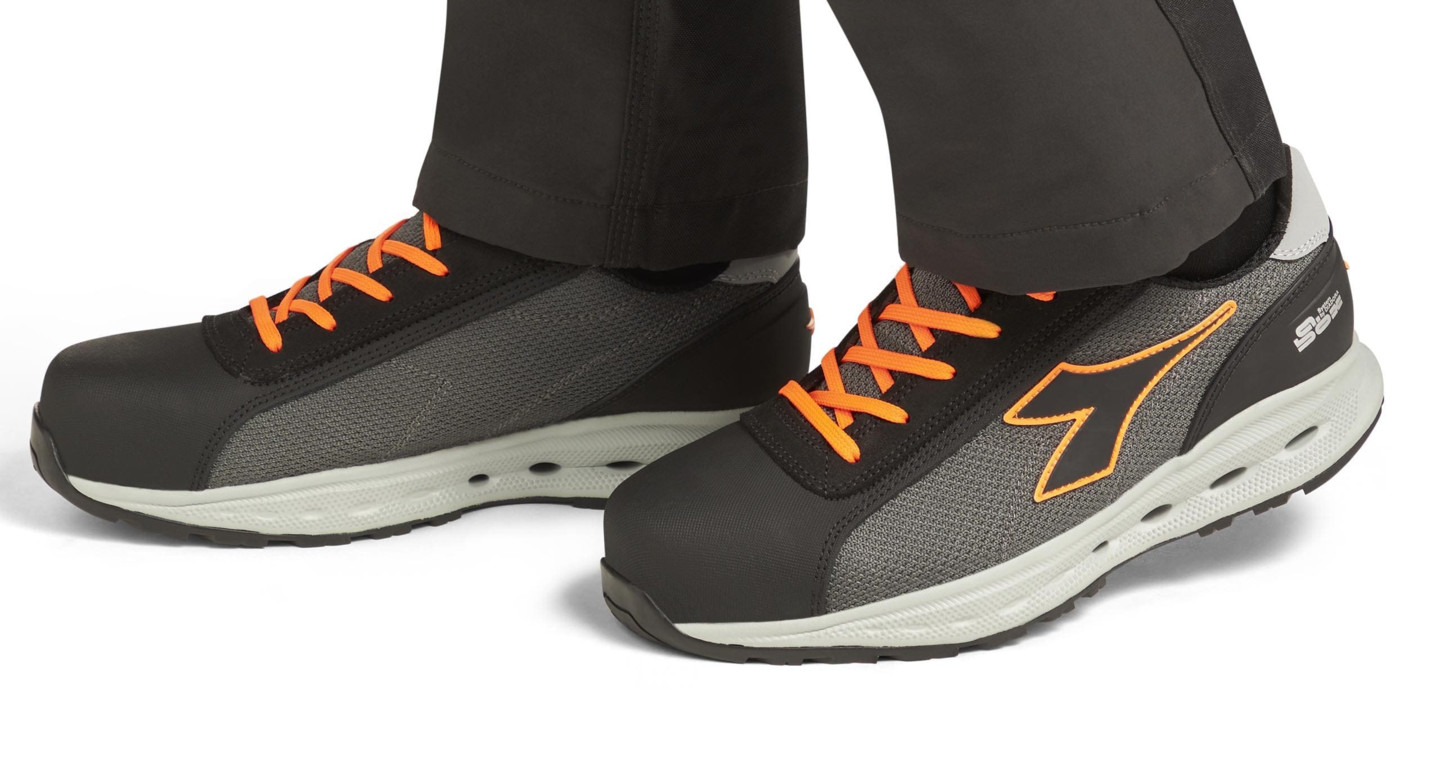
The new technology that enhances foot breathability through innovative design and materials
Keep reading...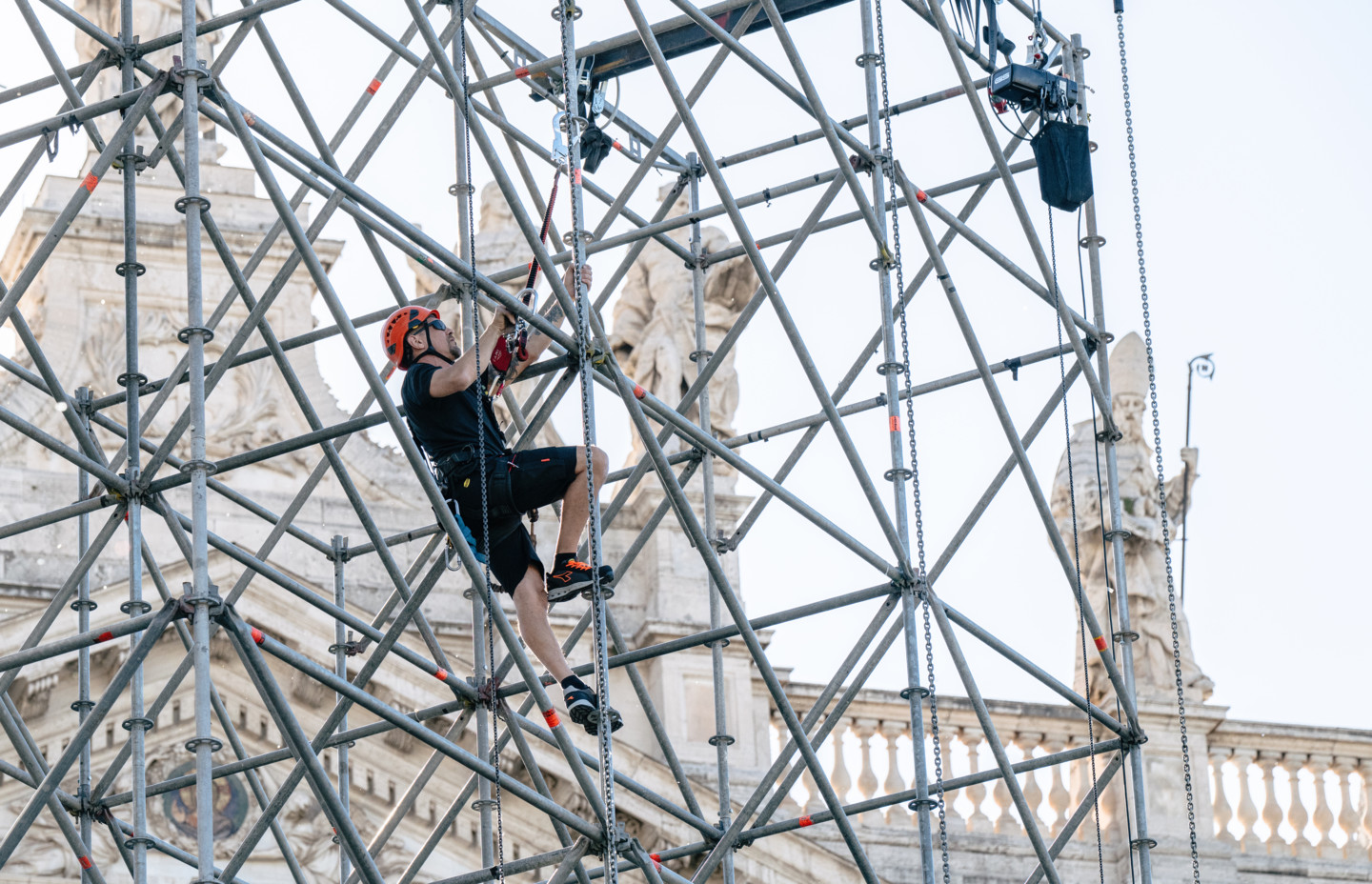
Once again this year, the safety footwear brand is outfitting the technical staff of the most anticipated concert of the year with safety apparel and footwear
Keep reading...You must login to read this free content
This content requires a subscription to view. Are you already a subscriber? Sign in