WORTMANN Group: faster, more flexible, for even more retail support
They are investing around 20 million euros in a fully automated shuttle warehouse at its Detmold site.
Company news Arsutoria
March 2025
Jens Beining
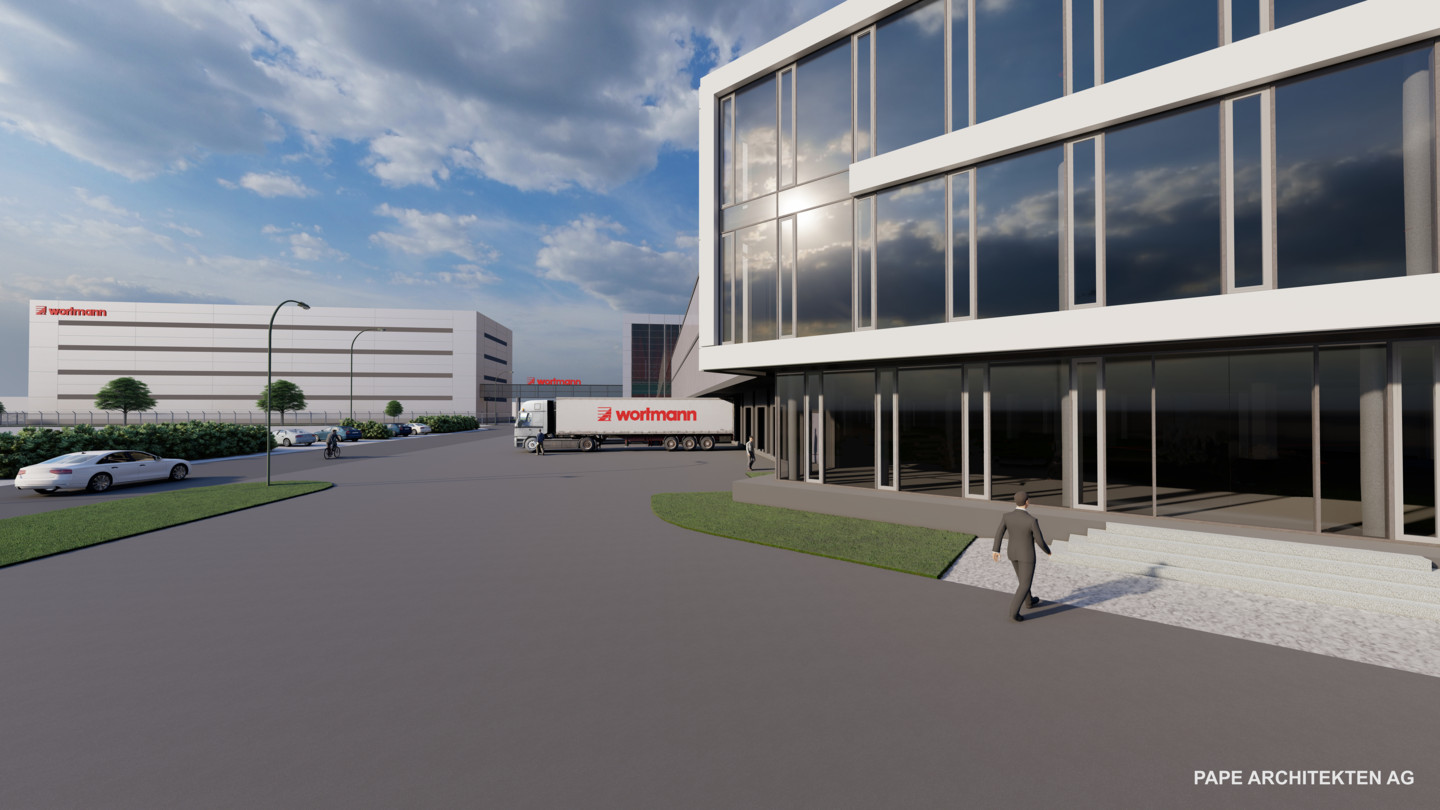
The WORTMANN Group in Detmold is sending a clear signal to retailers and is investing around 20 million euros in the expansion of its logistics centre by building a new, additional, fully automated shuttle warehouse.
The aim of this forward-oriented investment is to enable even faster and more demand-orientated deliveries to the retail trade. This will double the delivery capacity for the German market and other European markets.
“In doing so, we are creating a basis for further growth. We are consolidating our position as a strong partner to retailers and further expanding our reliability,” says Jens Beining, Managing Partner and CEO of WORTMANN Schuh-Holding KG.
By combining the existing pallet warehouse with the new shuttle warehouse, large quantities of goods can be stored and transported even more efficiently in future, while smaller orders and short-term requirements can be processed quickly and reliably. This optimised warehousing opens up new service concepts for retail partners and meets their requirements for flexibility, short delivery times and high product availability more than ever before. One focus is also on further expanding success with carry-over and never-out-of-stock items, which make a significant contribution to the stability of sales in retail.
The fully automated high-bay warehouse built in 2010 can already store and handle more than 3.5 million pairs on 27,500 pallets at the Detmold site. The addition of the new fully automated shuttle warehouse will increase the storage volume for further growth by around 1 million pairs.
Construction is scheduled to begin in September 2025. Completion is scheduled for the first half of 2027.
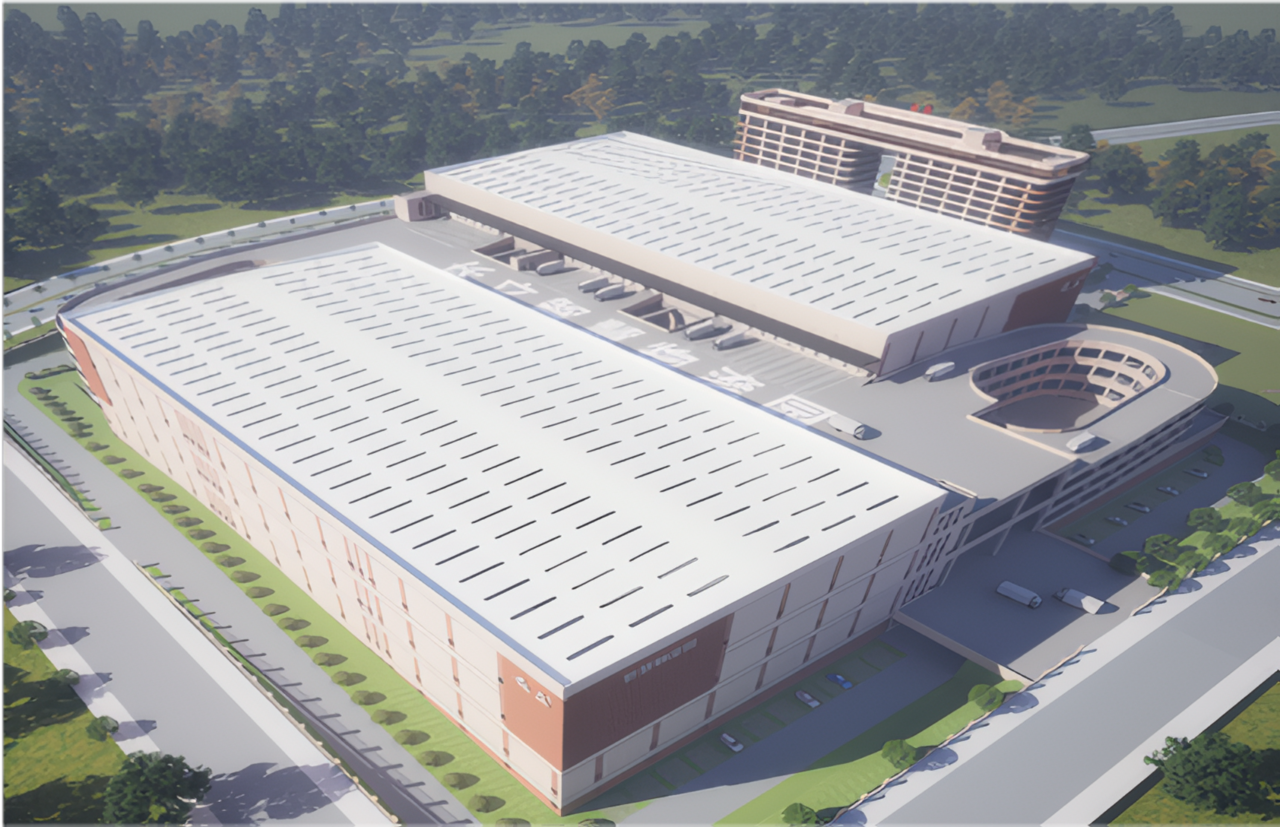
The Jinjiang-based Chinese group, which has been an ODM for GEOX, Skechers and Jack Wolfskin for thirty years, is opening its first customs logistics park in Quanzhou. Two hundred thousand square metres, AI-powered sorting, eighteen European warehouses: the Chinese footwear industry is reinventing itself.
The brand, founded between Italy and Dubai, ventures beyond the world of trainers for the first time with ‘Linea’, the first loafer in a collection that redefines the concept of imperfection.
The ZDHC framework covers textiles, leather and plastics, but not metal: for years, the accessories supply chain has been responding to written requests intended for other processes. Led by the Physis Consortium, the first list of restricted substances for electroplating was drawn up at the end of 2025.